THE ADVENTURE COLLECTIVE® · Independent discovery and booking for outdoor travel

Descend into Peștera Urșilor to see dramatic stalactites, stalagmites and the fossilized remains of ancient cave bears. This private, one-day minivan tour from Oradea combines geology, paleontology and a manageable subterranean hike.
Descend into Peștera Urșilor to see dramatic stalactites, stalagmites and the fossilized remains of ancient cave bears. This private, one-day minivan tour from Oradea combines geology, paleontology and a manageable subterranean hike.
You arrive on a narrow, tree-lined road and the limestone ridge beside the village of Chiscau rises like a folded wall. The air smells faintly of damp earth; the entrance to Peștera Urșilor (Bear's Cave) yawns cool and quiet, drawing you away from the sun-baked fields outside.
Verified experiences and guided adventures in the surrounding area.
Operated by Romaniatourism · Chiscau, Bihor County
You arrive on a narrow, tree-lined road and the limestone ridge beside the village of Chiscau rises like a folded wall. The air smells faintly of damp earth; the entrance to Peștera Urșilor (Bear's Cave) yawns cool and quiet, drawing you away from the sun-baked fields outside.
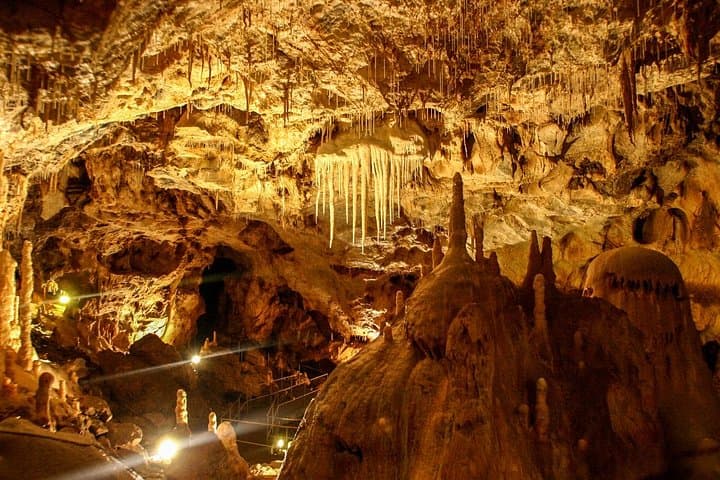
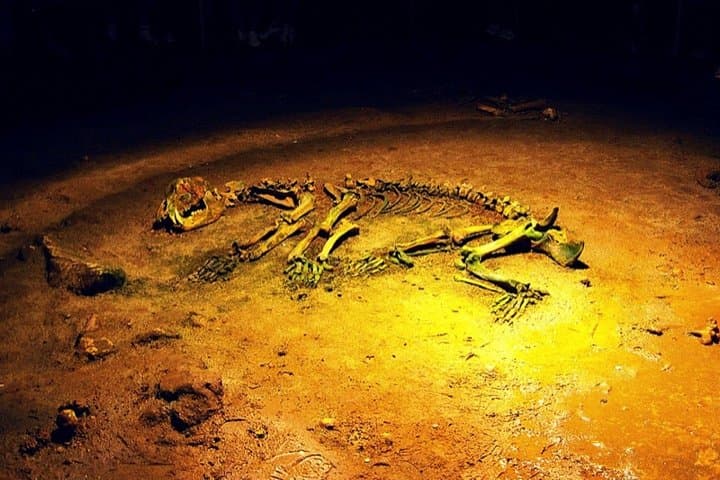
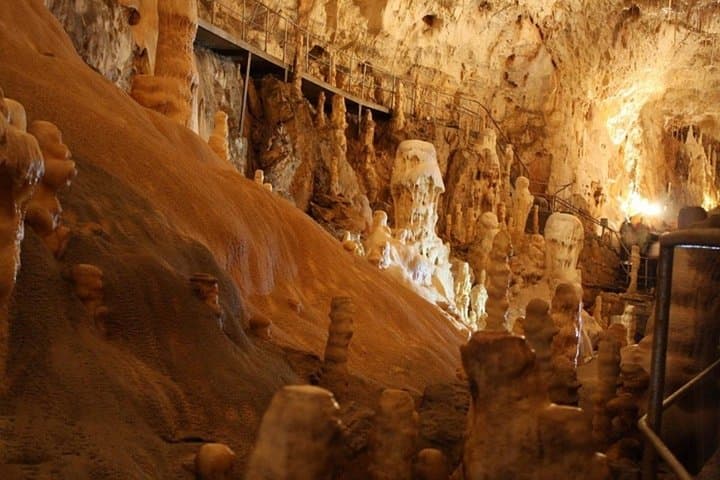
The cave holds a blunt kind of history: a fossil bed of cave bears that once used these chambers as shelter. Geological layers of travertine and calcite record millennia of slow water—stalactites dripping, stalagmites building upward—while five nearly complete bear skeletons discovered in 1984 remind visitors that this place was once an arena of life and death. Locals in the Apuseni region have long passed down stories of the cave; its study helped shape early Romanian speleology and paleontology.
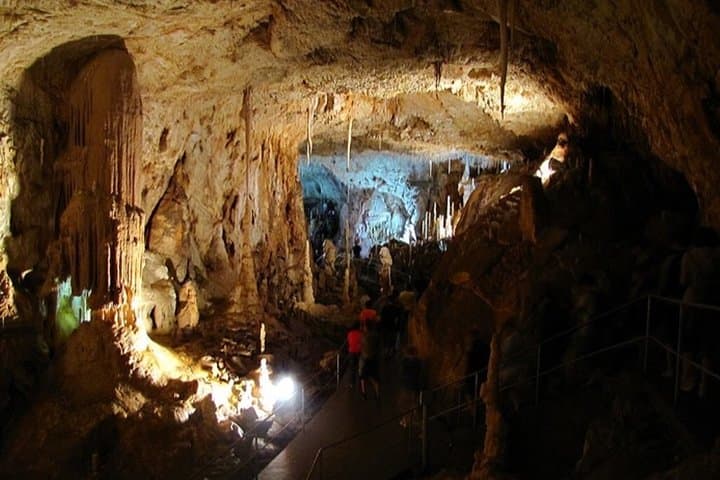
Expect two hours inside the show cave on a guided route with well-lit galleries and narrow steps. The temperature hovers near 10°C year-round, the stone damp underfoot in places and slick on low ramps. The tour from Oradea runs about eight hours round-trip including hotel pickup in an air-conditioned vehicle and short roadside stops. Bring a warm layer, steady footwear, and a head for low ceilings in a few sections.
Practical notes: the route is not technical but requires moderate fitness for descending and climbing stairs. Photography is allowed in many areas but avoid touching formations. Small-group private tours limit crowding; tickets are final sale and guides provide the scientific context that turns rock into story.
moderate.
8 hours (includes travel); ~2 hours in cave.
Moderate — able to walk stairs and uneven surfaces for short periods
The guided route through the show cave typically lasts about 90–120 minutes and includes stepped sections and narrow passages.
Children must be accompanied by an adult; moderate mobility is required due to stairs and uneven surfaces—those with serious mobility issues may find parts challenging.
Around 10°C (50°F) year-round, so a warm layer is recommended even on hot days outside.
Photography is generally allowed but flash may be restricted in sensitive areas—follow the guide's instructions to protect formations and fossils.
Peștera Urșilor became prominent after paleontological finds in the 20th century; cave bear remains found here date from the Pleistocene and shaped regional scientific interest.
The cave is managed to limit visitor impact—stay on marked paths, avoid touching formations, and follow guide rules to help preserve fragile speleothems and fossil deposits.
Romaniatourism operates guided outdoor trips and adventures with an emphasis on safety, stewardship, and memorable experiences.
You arrive on a narrow, tree-lined road and the limestone ridge beside the village of Chiscau rises like a folded wall. The air smells faintly of damp earth; the entrance to Peștera Urșilor (Bear's Cave) yawns cool and quiet, drawing you away from the sun-baked fields outside.
You arrive on a narrow, tree-lined road and the limestone ridge beside the village of Chiscau rises like a folded wall. The air smells faintly of damp earth; the entrance to Peștera Urșilor (Bear's Cave) yawns cool and quiet, drawing you away from the sun-baked fields outside.
The cave holds a blunt kind of history: a fossil bed of cave bears that once used these chambers as shelter. Geological layers of travertine and calcite record millennia of slow water—stalactites dripping, stalagmites building upward—while five nearly complete bear skeletons discovered in 1984 remind visitors that this place was once an arena of life and death. Locals in the Apuseni region have long passed down stories of the cave; its study helped shape early Romanian speleology and paleontology.
Expect two hours inside the show cave on a guided route with well-lit galleries and narrow steps. The temperature hovers near 10°C year-round, the stone damp underfoot in places and slick on low ramps. The tour from Oradea runs about eight hours round-trip including hotel pickup in an air-conditioned vehicle and short roadside stops. Bring a warm layer, steady footwear, and a head for low ceilings in a few sections.
Practical notes: the route is not technical but requires moderate fitness for descending and climbing stairs. Photography is allowed in many areas but avoid touching formations. Small-group private tours limit crowding; tickets are final sale and guides provide the scientific context that turns rock into story.