THE ADVENTURE COLLECTIVE® · Independent discovery and booking for outdoor travel

Spend a full day tracing Roman Tarraco from quarry to arena with two expert guides and hotel pickup in Barcelona. Walk ancient streets, cross a dramatic aqueduct and stand in the arena where gladiators fought — all with transport and key tickets included.
Spend a full day tracing Roman Tarraco from quarry to arena with two expert guides and hotel pickup in Barcelona. Walk ancient streets, cross a dramatic aqueduct and stand in the arena where gladiators fought — all with transport and key tickets included.
You step onto the minibus as Barcelona wakes, the sea-glint shrinking behind the skyline while two guides outline a day's excavation through time.
Verified experiences and guided adventures in the surrounding area.
Operated by Day Trips Barcelona · Tarragona, Catalonia
You step onto the minibus as Barcelona wakes, the sea-glint shrinking behind the skyline while two guides outline a day's excavation through time.
An hour or so later the land opens into the raw scars of El Mèdol quarry — the place Romans cut the stone that built Tarraco. The quarry's stepped faces seem to hold a memory; wind and gulls argue over the ledges while your guide points out chisel marks two millennia old.
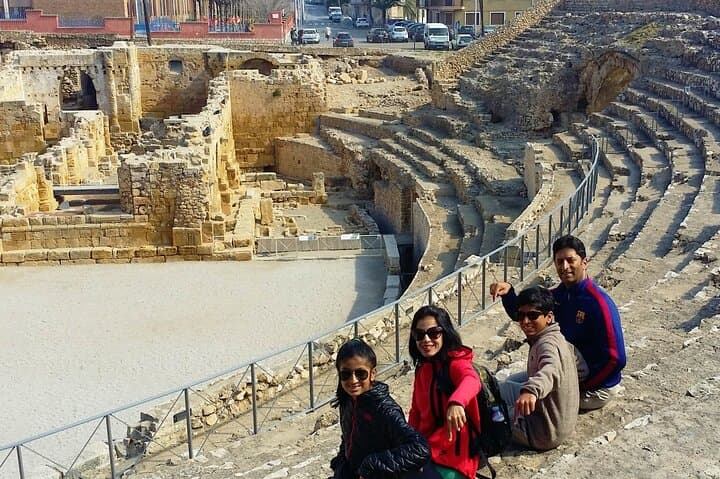
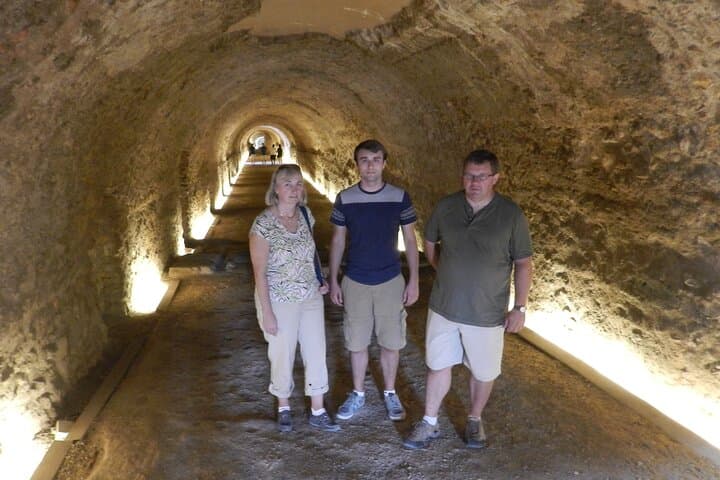
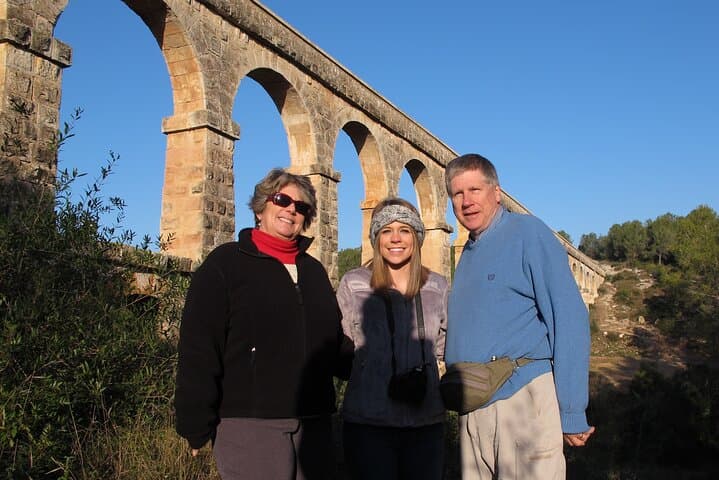
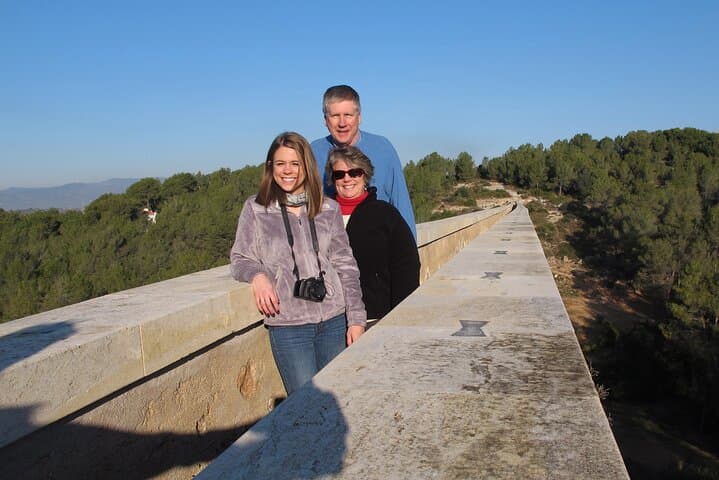
From there the Pont del Diable aqueduct arches across the landscape, its ruined vaults daring the water that once ran beneath. Tarragona itself sits on a shelf of Roman ambition: a former provincial capital whose Circus, Amphitheatre and 2nd‑century walls still shape the medieval streets. Walks across the praetorium rooftops and the Amphitheatre arena bring the city's imperial geometry into sharp relief against the Costa Dorada.
Culturally, Tarraco blends Roman civic planning with Catalan rhythms — markets, a Gothic cathedral built over Roman foundations, and a seaside promenade that has always linked town and sea.
Practical guide: tour departs early from Barcelona (hotel or WTCB terminal) and returns the same day; expect roughly 1–1.5 hours each way. You'll do 2–3 km of walking on uneven cobbles, steps and archaeological platforms; moderate fitness and stable footwear are required. The tour provides bottled water, transport, two guides and tickets to the Circus and Amphitheatre; lunch is optional. Best times are shoulder seasons for softer light and fewer crowds; bring sun protection, a light layer, and a small daypack for comfort.
moderate.
8 hours.
Moderate fitness — able to walk 2–3 km over uneven surfaces, climb short flights of stairs and stand during guided talks.
Pickup is from Barcelona hotels, apartments or the WTCB cruise terminal, typically around 7:30 AM; exact time is confirmed at booking.
Yes — tickets for the Roman Circus and Amphitheatre are included; other museums, meals and optional extras are paid by guests.
Children with moderate stamina can join, but the tour involves uneven terrain and stairs. It is not recommended for people with serious mobility limitations or cardiovascular issues.
This is a private tour with two guides, so guides will try to accommodate reasonable requests; changes depend on timing, admissions and traffic.
Tarraco was the largest Roman city on the Iberian Peninsula and a key administrative center of Roman Hispania; its monumental remains earned it UNESCO World Heritage status.
Heavy foot traffic and seaside erosion challenge the ruins; stick to paths, avoid touching fragile masonry and support local conservation by following guide rules.
Day Trips Barcelona operates guided outdoor trips and adventures with an emphasis on safety, stewardship, and memorable experiences.
You step onto the minibus as Barcelona wakes, the sea-glint shrinking behind the skyline while two guides outline a day's excavation through time.
You step onto the minibus as Barcelona wakes, the sea-glint shrinking behind the skyline while two guides outline a day's excavation through time.
An hour or so later the land opens into the raw scars of El Mèdol quarry — the place Romans cut the stone that built Tarraco. The quarry's stepped faces seem to hold a memory; wind and gulls argue over the ledges while your guide points out chisel marks two millennia old.
From there the Pont del Diable aqueduct arches across the landscape, its ruined vaults daring the water that once ran beneath. Tarragona itself sits on a shelf of Roman ambition: a former provincial capital whose Circus, Amphitheatre and 2nd‑century walls still shape the medieval streets. Walks across the praetorium rooftops and the Amphitheatre arena bring the city's imperial geometry into sharp relief against the Costa Dorada.
Culturally, Tarraco blends Roman civic planning with Catalan rhythms — markets, a Gothic cathedral built over Roman foundations, and a seaside promenade that has always linked town and sea.
Practical guide: tour departs early from Barcelona (hotel or WTCB terminal) and returns the same day; expect roughly 1–1.5 hours each way. You'll do 2–3 km of walking on uneven cobbles, steps and archaeological platforms; moderate fitness and stable footwear are required. The tour provides bottled water, transport, two guides and tickets to the Circus and Amphitheatre; lunch is optional. Best times are shoulder seasons for softer light and fewer crowds; bring sun protection, a light layer, and a small daypack for comfort.