THE ADVENTURE COLLECTIVE® · Independent discovery and booking for outdoor travel

Head north from Tulum for a full-day excursion to Ría Lagartos and Las Coloradas, where flamingos patrol pink salt ponds and mangrove channels hum with life. This guided trip blends wildlife viewing, a small-boat ride and a traditional Mayan mud bath—ideal for photographers and nature lovers.
Head north from Tulum for a full-day excursion to Ría Lagartos and Las Coloradas, where flamingos patrol pink salt ponds and mangrove channels hum with life. This guided trip blends wildlife viewing, a small-boat ride and a traditional Mayan mud bath—ideal for photographers and nature lovers.
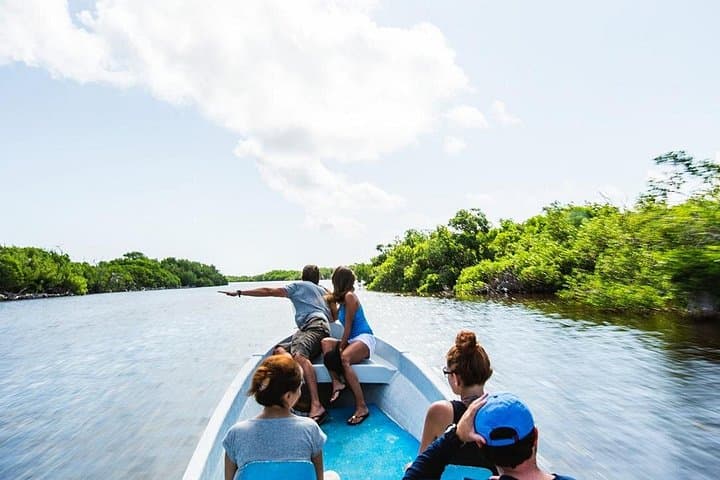
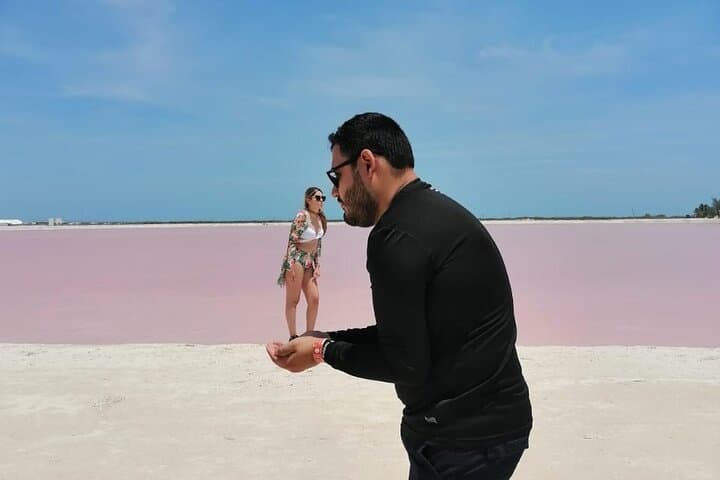
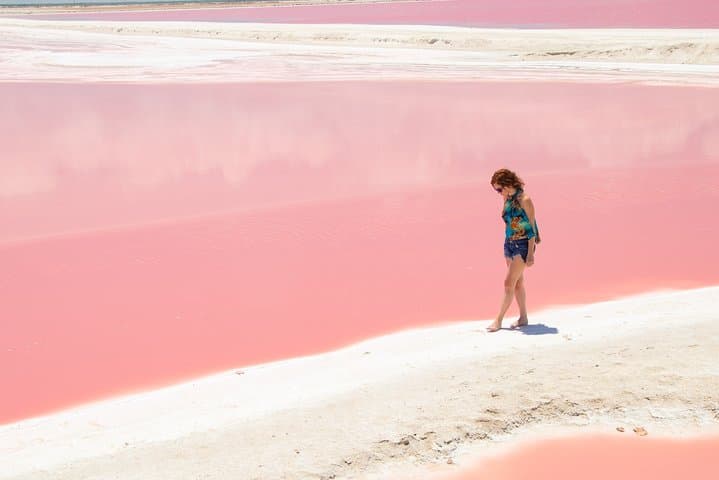
A morning bus eases north from Tulum, palms sliding by as the road thins and the air sharpens with salt. By arrival the salt flats catch light like an opened jewel box: shallow ponds push a blushing pink across the horizon, and flamingos patrol the shallows with deliberate, jointed steps. The boat slips from Río Lagartos and the mangrove channels narrow, the water nudging the hull while birds and crocodiles keep watch from the edge.
Verified experiences and guided adventures in the surrounding area.
Operated by Altustours · Río Lagartos, Yucatán
A morning bus eases north from Tulum, palms sliding by as the road thins and the air sharpens with salt. By arrival the salt flats catch light like an opened jewel box: shallow ponds push a blushing pink across the horizon, and flamingos patrol the shallows with deliberate, jointed steps. The boat slips from Río Lagartos and the mangrove channels narrow, the water nudging the hull while birds and crocodiles keep watch from the edge.
This stretch of the Yucatán is shaped by limestone, tidal estuaries and centuries of salt extraction. Las Coloradas’ color comes from halobacteria and algae that thrive in hypersaline pools; nearby Ría Lagartos is a registered biosphere reserve because its mangroves and lagoons are critical nesting and feeding habitat. Local fishing towns retain a low-key coastal culture—salt-workers, guides who read tides like a ledger, and Mayan traditions such as the exfoliating mud bath still practiced as regenerative skin care.
Practically: tours are full-day, often 10–13 hours from Tulum with boat time in the reserve and photo stops at the pink ponds. Expect uneven ground near salt pans and short walks through mangrove-access boardwalks. Bring cash for the reserve fee, biodegradable sunscreen, a swimsuit and quick-dry layers for wind and sun. Early light is best for photos; late afternoon softens the pinks and cools the air.
Respect roosting birds, follow your guide’s approach distances, and treat the salt flats and mangroves as working, fragile ecosystems. The trip delivers high-contrast landscapes, close wildlife viewing and one of the most unusual coastal colors on Earth.
easy.
10–13 hours.
Suitable for average fitness: short walks, boarding small boats, and standing during wildlife viewing.
The tour does not include the local Ría Lagartos reservation tax (paid on-site); bring cash in pesos or small USD notes.
Guides commonly locate flamingos in the lagoons, but sightings vary by season and water levels—early morning offers the best chances.
Scheduled pickup from Tulum and return make this a full-day trip; travel and stops can make for a 10–13 hour day depending on traffic.
The trip is family-friendly but involves boat transfers and uneven terrain; infants should sit on laps and travelers with spinal or serious heart conditions should avoid strenuous transfers.
Salt production has supported coastal communities here for generations; the area’s mangroves were later recognized for their global ecological importance and protected as a biosphere reserve.
Stick to boardwalks, use biodegradable sunscreen and avoid taking salt or disturbing mudflats—tourism supports local conservation fees and guide livelihoods.
Altustours operates guided outdoor trips and adventures with an emphasis on safety, stewardship, and memorable experiences.

A morning bus eases north from Tulum, palms sliding by as the road thins and the air sharpens with salt. By arrival the salt flats catch light like an opened jewel box: shallow ponds push a blushing pink across the horizon, and flamingos patrol the shallows with deliberate, jointed steps. The boat slips from Río Lagartos and the mangrove channels narrow, the water nudging the hull while birds and crocodiles keep watch from the edge.
A morning bus eases north from Tulum, palms sliding by as the road thins and the air sharpens with salt. By arrival the salt flats catch light like an opened jewel box: shallow ponds push a blushing pink across the horizon, and flamingos patrol the shallows with deliberate, jointed steps. The boat slips from Río Lagartos and the mangrove channels narrow, the water nudging the hull while birds and crocodiles keep watch from the edge.
This stretch of the Yucatán is shaped by limestone, tidal estuaries and centuries of salt extraction. Las Coloradas’ color comes from halobacteria and algae that thrive in hypersaline pools; nearby Ría Lagartos is a registered biosphere reserve because its mangroves and lagoons are critical nesting and feeding habitat. Local fishing towns retain a low-key coastal culture—salt-workers, guides who read tides like a ledger, and Mayan traditions such as the exfoliating mud bath still practiced as regenerative skin care.
Practically: tours are full-day, often 10–13 hours from Tulum with boat time in the reserve and photo stops at the pink ponds. Expect uneven ground near salt pans and short walks through mangrove-access boardwalks. Bring cash for the reserve fee, biodegradable sunscreen, a swimsuit and quick-dry layers for wind and sun. Early light is best for photos; late afternoon softens the pinks and cools the air.
Respect roosting birds, follow your guide’s approach distances, and treat the salt flats and mangroves as working, fragile ecosystems. The trip delivers high-contrast landscapes, close wildlife viewing and one of the most unusual coastal colors on Earth.