THE ADVENTURE COLLECTIVE® · Independent discovery and booking for outdoor travel

Spend a half-day between the botanical lanes of Rio’s historic Jardim Botânico and the green slopes of Tijuca National Park. This guided tour pairs easy trails, wildlife spotting, and panoramic city views with practical logistics like hotel pickup and multilingual commentary.
Spend a half-day between the botanical lanes of Rio’s historic Jardim Botânico and the green slopes of Tijuca National Park. This guided tour pairs easy trails, wildlife spotting, and panoramic city views with practical logistics like hotel pickup and multilingual commentary.
Morning light filters between imperial palms as the group steps through the wrought-iron gate of Rio’s Botanical Garden. The air smells of damp earth and orchids; pathways curve past reflective lakes, a sensory garden, and the glass-paneled Rainforest Greenhouse. A guide points out a toucan perched like punctuation in the canopy before the minivan climbs into Tijuca National Park, where ferns and strangler figs crowd an ancient ridge.
Verified experiences and guided adventures in the surrounding area.
Operated by C2Rio Tours & Travel · Rio de Janeiro, Rio de Janeiro
Morning light filters between imperial palms as the group steps through the wrought-iron gate of Rio’s Botanical Garden. The air smells of damp earth and orchids; pathways curve past reflective lakes, a sensory garden, and the glass-paneled Rainforest Greenhouse. A guide points out a toucan perched like punctuation in the canopy before the minivan climbs into Tijuca National Park, where ferns and strangler figs crowd an ancient ridge.
The Botanical Garden dates to the early 19th century, established during Portuguese royal patronage to study tropical flora. Tijuca, by contrast, is largely a 19th-century reforestation project—an urban forest restored to protect water sources—now one of the largest urban forests in the world. Cultural touches appear along the route: the chimes of Capela Mayrink and the Chinese gazebo at Vista Chinesa, a vantage that frames the city and ocean (note: vehicle access to Vista Chinesa is often restricted on weekends). Geology here is granite and gneiss—steep scars smoothed by tropical rainfall and shaped into waterfalls such as Taunay, which dares you to draw near its spray.
Practically, expect a relaxed four-hour loop with mostly easy, well-maintained trails and short roadside stops. Bring insect repellent, sun protection, and a refillable water bottle. Morning departures are cooler and better for bird activity; afternoons can be humid and busy. The tour includes guided commentary and hotel pickup in Rio’s South Zone, making it accessible for travelers of all fitness levels. Stick to paths, respect wildlife, and leave no trace to help preserve this fragment of the Atlantic Forest.
easy.
4 hours.
Suitable for most fitness levels; involves short walks and gentle terrain with occasional steps.
The tour runs about four hours and includes hotel pickup and drop-off in Rio’s South Zone (Copacabana, Ipanema, Leblon, Leme).
Options may include Botanical Garden tickets; check your booking choice—some variants include admission while others do not. Guides will note what’s covered at booking.
Vista Chinesa offers panoramic views of the city and, on clear days, sightlines toward Corcovado and the statue, but the stop can be restricted on weekends due to vehicle bans.
Yes—terrain is generally easy with short walks and paved sections; however, those with mobility issues should check specific accessibility details before booking.
The Botanical Garden was established in the early 1800s under Portuguese royal initiative to catalog tropical plants; Tijuca was largely replanted in the 19th century to restore watershed health.
The area protects remnants of the endangered Atlantic Forest; visitors should stick to trails, avoid feeding animals, and carry out all trash to limit impact.
C2Rio Tours & Travel operates guided outdoor trips and adventures with an emphasis on safety, stewardship, and memorable experiences.
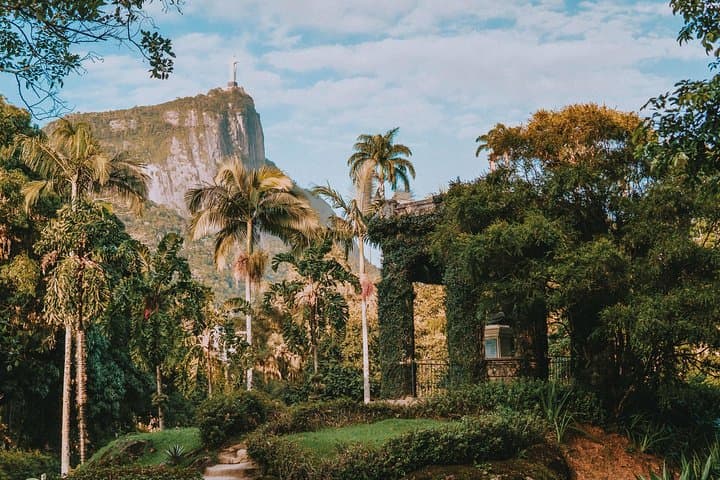
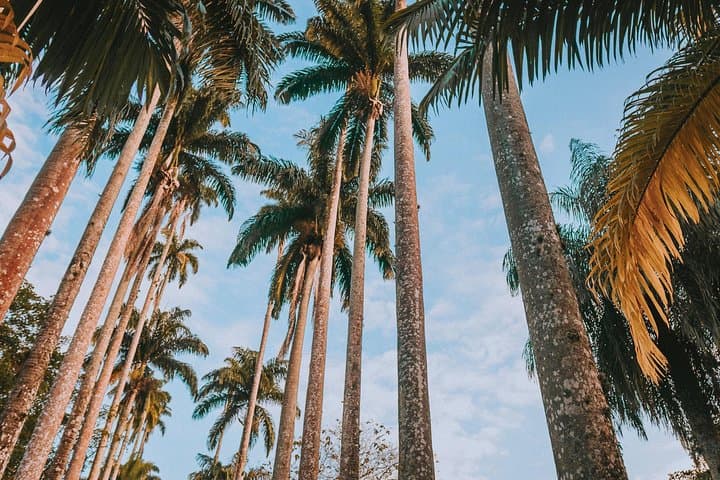
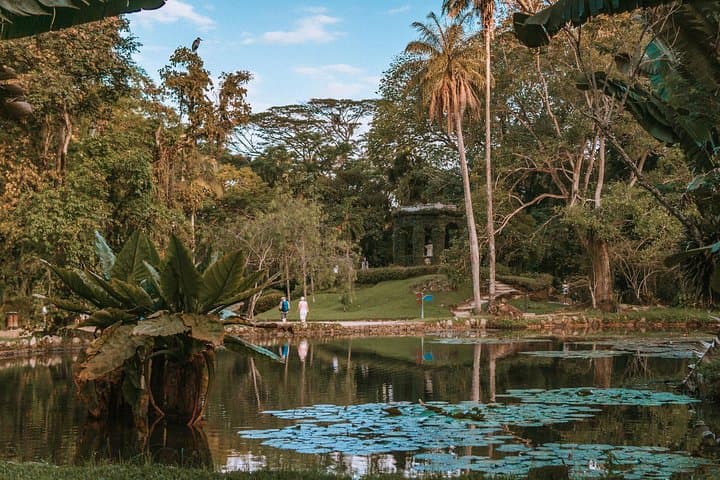
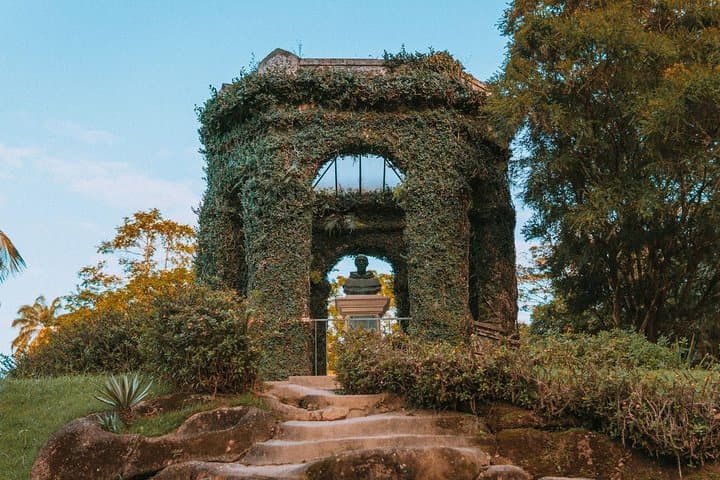
Morning light filters between imperial palms as the group steps through the wrought-iron gate of Rio’s Botanical Garden. The air smells of damp earth and orchids; pathways curve past reflective lakes, a sensory garden, and the glass-paneled Rainforest Greenhouse. A guide points out a toucan perched like punctuation in the canopy before the minivan climbs into Tijuca National Park, where ferns and strangler figs crowd an ancient ridge.
Morning light filters between imperial palms as the group steps through the wrought-iron gate of Rio’s Botanical Garden. The air smells of damp earth and orchids; pathways curve past reflective lakes, a sensory garden, and the glass-paneled Rainforest Greenhouse. A guide points out a toucan perched like punctuation in the canopy before the minivan climbs into Tijuca National Park, where ferns and strangler figs crowd an ancient ridge.
The Botanical Garden dates to the early 19th century, established during Portuguese royal patronage to study tropical flora. Tijuca, by contrast, is largely a 19th-century reforestation project—an urban forest restored to protect water sources—now one of the largest urban forests in the world. Cultural touches appear along the route: the chimes of Capela Mayrink and the Chinese gazebo at Vista Chinesa, a vantage that frames the city and ocean (note: vehicle access to Vista Chinesa is often restricted on weekends). Geology here is granite and gneiss—steep scars smoothed by tropical rainfall and shaped into waterfalls such as Taunay, which dares you to draw near its spray.
Practically, expect a relaxed four-hour loop with mostly easy, well-maintained trails and short roadside stops. Bring insect repellent, sun protection, and a refillable water bottle. Morning departures are cooler and better for bird activity; afternoons can be humid and busy. The tour includes guided commentary and hotel pickup in Rio’s South Zone, making it accessible for travelers of all fitness levels. Stick to paths, respect wildlife, and leave no trace to help preserve this fragment of the Atlantic Forest.