THE ADVENTURE COLLECTIVE® · Independent discovery and booking for outdoor travel

Wander the Royal Horticultural Society’s research gardens at Wisley—where experiment beds, a tropical Glasshouse and a new Hilltop centre blend ecology with hands-on gardening. Plan two to six hours to see the highlights and practical displays.
Wander the Royal Horticultural Society’s research gardens at Wisley—where experiment beds, a tropical Glasshouse and a new Hilltop centre blend ecology with hands-on gardening. Plan two to six hours to see the highlights and practical displays.
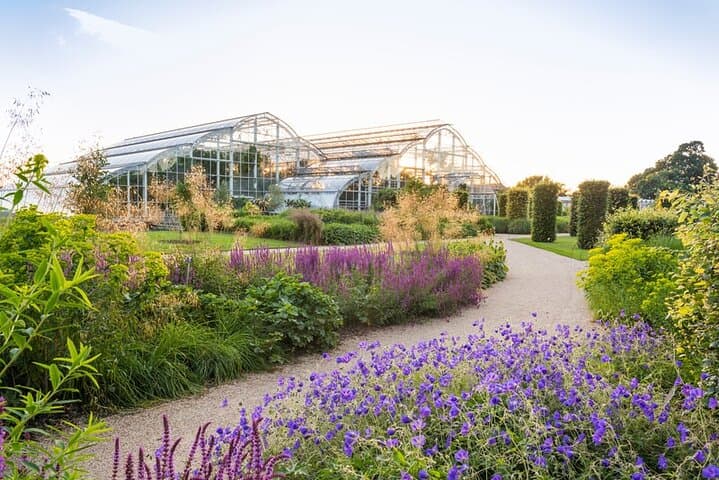
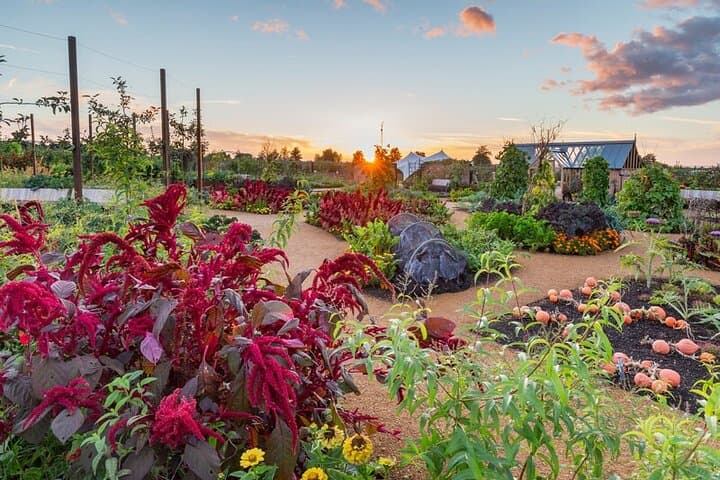
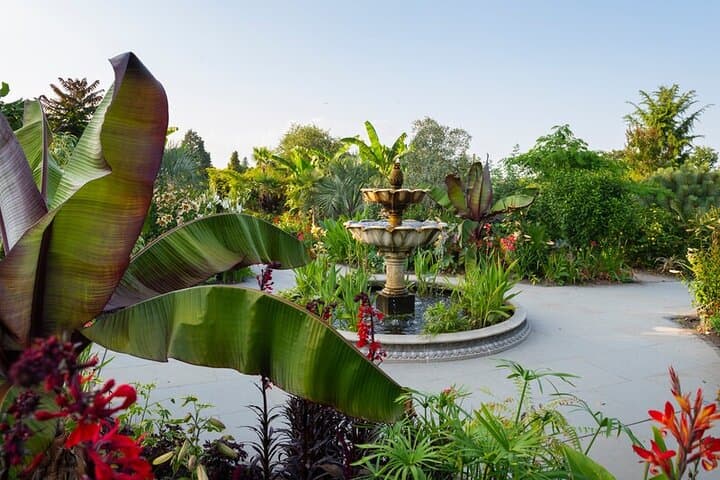
Stepping through the stone gate at Wisley, the air changes—green scents lift from mixed borders, and the Glasshouse exhales warm, humid breath. Paths thread between experiment beds and long perennial borders; Battleston Hill offers a short, sharp climb and a clear, planted panorama that rewards the steady walker. The gardens push and cajole the senses: a pond that draws dragonflies, a rose garden that insists you slow down.
Verified experiences and guided adventures in the surrounding area.
Operated by Royal Horticultural Society · Wisley, Surrey
Stepping through the stone gate at Wisley, the air changes—green scents lift from mixed borders, and the Glasshouse exhales warm, humid breath. Paths thread between experiment beds and long perennial borders; Battleston Hill offers a short, sharp climb and a clear, planted panorama that rewards the steady walker. The gardens push and cajole the senses: a pond that draws dragonflies, a rose garden that insists you slow down.
RHS Garden Wisley is the Royal Horticultural Society’s flagship site and home to decades of practical plant research. The terrain sits on the gently rolling clay and gravel of Surrey, creating well-drained slopes, formal terraces and sheltered hollows used for different trial plots. Cultural history here is garden-forward—the site evolved from 19th- and 20th-century horticultural collections into a modern research centre; the new RHS Hilltop highlights planet-friendly planting and food-growing techniques.
Visitors can expect a mix of easy paths, paved routes around the Glasshouse and some steeper, short hikes up Battleston Hill. Wildlife is concentrated near water and in long grass margins; be ready for bees, butterflies and the occasional kingfisher along channels. Practicalities matter: allow two to six hours to explore fully, buy tickets in advance to avoid queues, and use public transport or the small car park to reduce congestion. Wheelchair-accessible routes link major displays, but some informal trial beds are on uneven ground. Bring a waterproof layer, comfortable walking shoes and a refillable bottle—Wisley is a place to learn and to slow down, where plant science meets plain, enjoyable outdoor time.
easy.
2–6 hours.
Suitable for most fitness levels; requires comfortable walking ability for a few short inclines.
Tickets are mobile and typically allow flexible entry within the day, but check any timed-event restrictions before visiting.
Major routes and displays have wheelchair-accessible paths; some trial beds and slopes are uneven—ask at visitor services for mapped accessible routes.
Picnics are allowed in designated areas; there are also cafés and a farm shop for snacks and lunch.
Pet dogs are not permitted inside the garden, but assistance animals are welcome; check signage for designated external pathways.
Wisley grew into the RHS’s principal garden over the 19th and 20th centuries and now combines historic displays with modern horticultural research.
RHS Wisley prioritises sustainable practices—soil health work, pollinator planting and public education to reduce garden-related environmental impacts.
Royal Horticultural Society operates guided outdoor trips and adventures with an emphasis on safety, stewardship, and memorable experiences.

Stepping through the stone gate at Wisley, the air changes—green scents lift from mixed borders, and the Glasshouse exhales warm, humid breath. Paths thread between experiment beds and long perennial borders; Battleston Hill offers a short, sharp climb and a clear, planted panorama that rewards the steady walker. The gardens push and cajole the senses: a pond that draws dragonflies, a rose garden that insists you slow down.
Stepping through the stone gate at Wisley, the air changes—green scents lift from mixed borders, and the Glasshouse exhales warm, humid breath. Paths thread between experiment beds and long perennial borders; Battleston Hill offers a short, sharp climb and a clear, planted panorama that rewards the steady walker. The gardens push and cajole the senses: a pond that draws dragonflies, a rose garden that insists you slow down.
RHS Garden Wisley is the Royal Horticultural Society’s flagship site and home to decades of practical plant research. The terrain sits on the gently rolling clay and gravel of Surrey, creating well-drained slopes, formal terraces and sheltered hollows used for different trial plots. Cultural history here is garden-forward—the site evolved from 19th- and 20th-century horticultural collections into a modern research centre; the new RHS Hilltop highlights planet-friendly planting and food-growing techniques.
Visitors can expect a mix of easy paths, paved routes around the Glasshouse and some steeper, short hikes up Battleston Hill. Wildlife is concentrated near water and in long grass margins; be ready for bees, butterflies and the occasional kingfisher along channels. Practicalities matter: allow two to six hours to explore fully, buy tickets in advance to avoid queues, and use public transport or the small car park to reduce congestion. Wheelchair-accessible routes link major displays, but some informal trial beds are on uneven ground. Bring a waterproof layer, comfortable walking shoes and a refillable bottle—Wisley is a place to learn and to slow down, where plant science meets plain, enjoyable outdoor time.