THE ADVENTURE COLLECTIVE® · Independent discovery and booking for outdoor travel

Perched on an Essex hill, RHS Garden Hyde Hall showcases dry-climate planting, rosemary-scented borders, and a Global Vegetable Garden that challenges expectations. Plan 2–4 hours to explore hilltop views, birch groves, and a reservoir alive with birds.
Perched on an Essex hill, RHS Garden Hyde Hall showcases dry-climate planting, rosemary-scented borders, and a Global Vegetable Garden that challenges expectations. Plan 2–4 hours to explore hilltop views, birch groves, and a reservoir alive with birds.
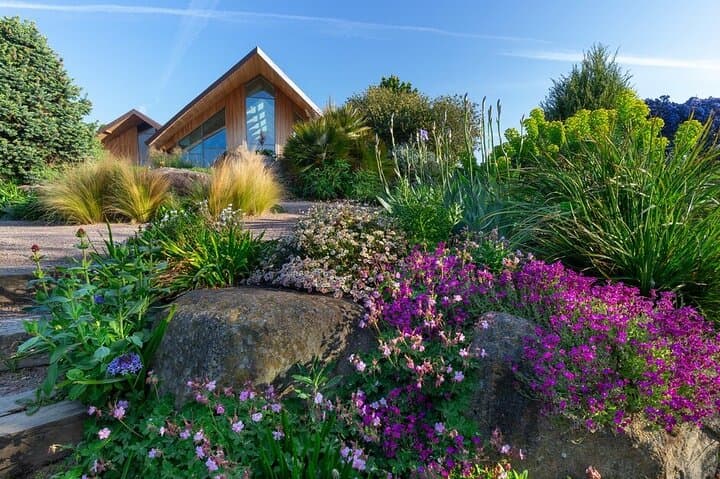
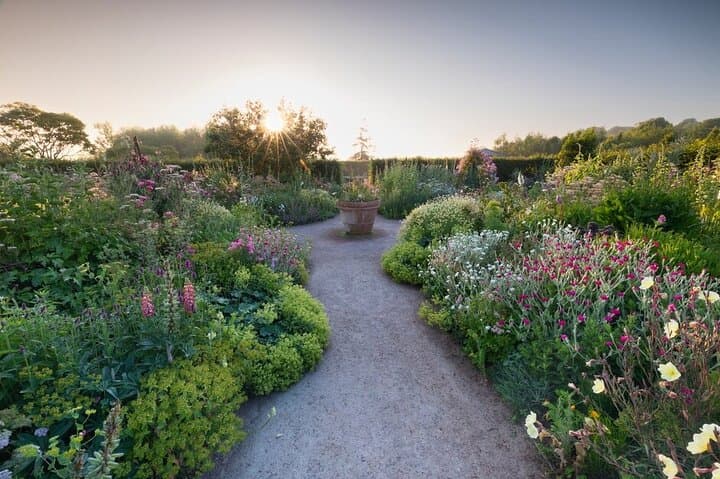
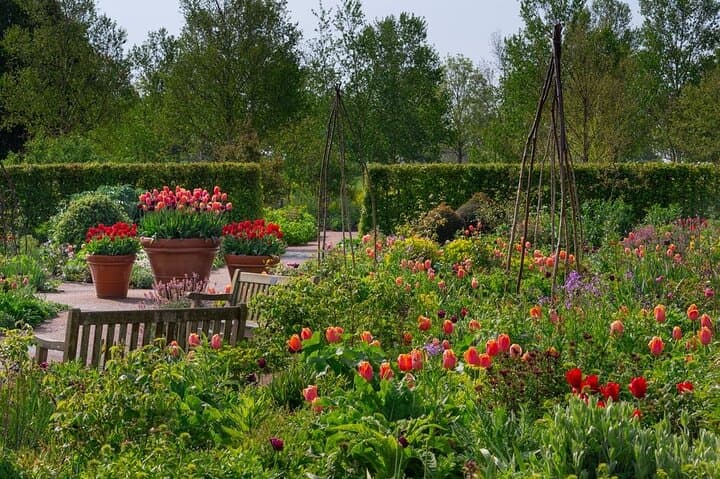
Walk up Clover Hill and the air opens: grasses and herbaceous borders lift under wide Essex sky, the hilltop pushing you toward a sweeping view of patchwork fields. Paths curve through colour-themed borders where perennials flirt with drought-tolerant shrubs, and the birch grove—five species from Asia and North America—traces a soundtrack of leaves.
Verified experiences and guided adventures in the surrounding area.
Operated by Royal Horticultural Society · Chelmsford, Essex
Walk up Clover Hill and the air opens: grasses and herbaceous borders lift under wide Essex sky, the hilltop pushing you toward a sweeping view of patchwork fields. Paths curve through colour-themed borders where perennials flirt with drought-tolerant shrubs, and the birch grove—five species from Asia and North America—traces a soundtrack of leaves.
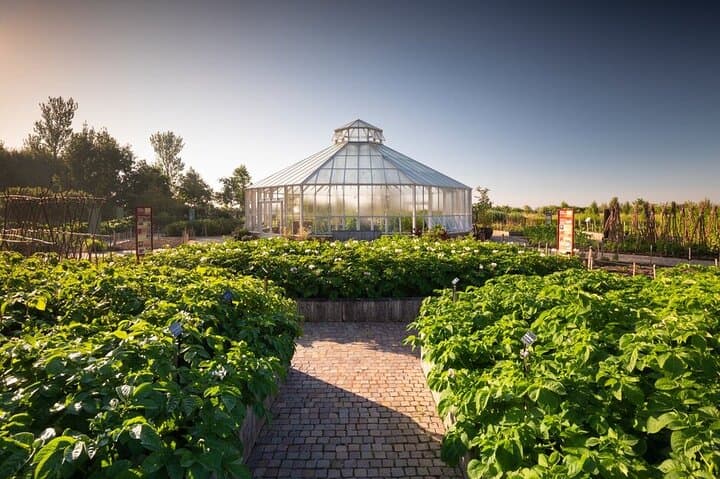
The site is run by the Royal Horticultural Society and has become a practical laboratory for planting in dry conditions; its Dry Garden gathers species from Mediterranean climates around the globe. History here is recent but purposeful—this hilltop estate was shaped into a public garden in the late 20th century and steadily evolved into a place for testing resilient planting and edible experimentation in the Global Growth Vegetable Garden.
Expect varied terrain: wide lawns, gravel paths, gentle slopes and some steeper climbs to viewing points. The Reservoir and Bird Hide attract waterfowl — herons and tufted ducks will often be watching the water, while smaller songbirds flit in the shelter of shrub beds. Cafés serve produce from garden plots and benches invite quiet observation.
Practical edge: allow 2–4 hours to move between major sections and to sit once or twice; wear supportive shoes for mixed surfaces and bring a waterproof layer—English weather changes fast. Visit in late spring for peak herbaceous colour, or autumn for warm, drought-tolerant tones. Respect planting beds, stick to paths to protect trial plots, and arrive early on busy weekends to secure parking and a calmer experience.
easy.
2–6 hours.
Suitable for most abilities; expect several short hills and walking between zones
Plan 2–4 hours to see main gardens and the Reservoir; allow up to 6 hours if you want a leisurely lunch and time for photography.
Yes—many main paths and facilities are accessible, though some steeper slopes and uneven surfaces may be challenging.
Service animals are allowed; check current site rules for pet restrictions as public access areas may vary.
On-site parking is available; check the garden’s official site for current parking charges and peak-time guidance.
Managed by the Royal Horticultural Society, Hyde Hall developed into a living laboratory for dry-climate planting and experimental kitchen gardens in the late 20th century.
The garden emphasizes water-wise planting and habitat features that support birds and pollinators; staying on paths helps protect trial beds and sensitive planting.
Royal Horticultural Society operates guided outdoor trips and adventures with an emphasis on safety, stewardship, and memorable experiences.
Walk up Clover Hill and the air opens: grasses and herbaceous borders lift under wide Essex sky, the hilltop pushing you toward a sweeping view of patchwork fields. Paths curve through colour-themed borders where perennials flirt with drought-tolerant shrubs, and the birch grove—five species from Asia and North America—traces a soundtrack of leaves.
Walk up Clover Hill and the air opens: grasses and herbaceous borders lift under wide Essex sky, the hilltop pushing you toward a sweeping view of patchwork fields. Paths curve through colour-themed borders where perennials flirt with drought-tolerant shrubs, and the birch grove—five species from Asia and North America—traces a soundtrack of leaves.
The site is run by the Royal Horticultural Society and has become a practical laboratory for planting in dry conditions; its Dry Garden gathers species from Mediterranean climates around the globe. History here is recent but purposeful—this hilltop estate was shaped into a public garden in the late 20th century and steadily evolved into a place for testing resilient planting and edible experimentation in the Global Growth Vegetable Garden.
Expect varied terrain: wide lawns, gravel paths, gentle slopes and some steeper climbs to viewing points. The Reservoir and Bird Hide attract waterfowl — herons and tufted ducks will often be watching the water, while smaller songbirds flit in the shelter of shrub beds. Cafés serve produce from garden plots and benches invite quiet observation.
Practical edge: allow 2–4 hours to move between major sections and to sit once or twice; wear supportive shoes for mixed surfaces and bring a waterproof layer—English weather changes fast. Visit in late spring for peak herbaceous colour, or autumn for warm, drought-tolerant tones. Respect planting beds, stick to paths to protect trial plots, and arrive early on busy weekends to secure parking and a calmer experience.