THE ADVENTURE COLLECTIVE® · Independent discovery and booking for outdoor travel

Stroll 58 acres of bold borders, alpine collections and a verdant Sub-Tropicana at RHS Garden Harlow Carr. This practical guide helps you plan a 2–4 hour visit with tips on access, best seasons and what to see.
Stroll 58 acres of bold borders, alpine collections and a verdant Sub-Tropicana at RHS Garden Harlow Carr. This practical guide helps you plan a 2–4 hour visit with tips on access, best seasons and what to see.
A chill of early morning pushes across Queen Mother’s Lake as mist peels away and the beds along Streamside lift their first colours — this is Harlow Carr arriving awake. Paths curve through bold herbaceous borders, sub-tropical palms and the clipped geometry of rock garden steps, with the Alpine House breathing a cool, high-mountain stillness that contrasts the warmer, louder Sub-Tropicana.
Verified experiences and guided adventures in the surrounding area.
Operated by Royal Horticultural Society · Harrogate, North Yorkshire
A chill of early morning pushes across Queen Mother’s Lake as mist peels away and the beds along Streamside lift their first colours — this is Harlow Carr arriving awake. Paths curve through bold herbaceous borders, sub-tropical palms and the clipped geometry of rock garden steps, with the Alpine House breathing a cool, high-mountain stillness that contrasts the warmer, louder Sub-Tropicana.
Established in the 20th century as a research and display garden, Harlow Carr occupies about 58 acres on the edge of Harrogate. The site sits on Carboniferous and Permian sandstone outcrops that give the Sandstone Rock Garden its gritty, well-draining terrain, while the lake and stream support wetter planting and wildflower meadows. The garden reflects Yorkshire horticultural tradition — experimental beds, seasonal trials and accessible design — and is a hub for local volunteers and educational programs.
Expect varied microclimates: damp, shaded woodlands; sunny lakeside lawns; and sheltered, tropical-feeling corners. Wildlife is active — damselflies on the lake and songbirds in the hedgerows — and the site’s design encourages low-impact visiting.
Practical tips: plan 2–4 hours to see the main highlights; use the mobile ticket on arrival; arrive early for softer light and quieter paths. Paths are mostly paved or compacted gravel and are wheelchair- and stroller-friendly in large sections, though some steeper rock-garden routes are uneven. Wear comfortable walking shoes, bring layered protection against wind or rain, and carry water and a small notebook if you like to sketch planting combos. The on-site facilities include toilets, a café and parking; public transport runs close by. With a mix of horticultural displays and open-air walking, Harlow Carr is as much a place for plant inspiration as it is for a restorative outdoor stroll.
easy.
2–4 hours.
Suitable for most fitness levels; mostly gentle walking with occasional short slopes
Only assistance dogs are permitted inside the garden; check on-site signage for exact restrictions.
Most visitors spend 2–4 hours to visit key areas like Streamside, Alpine House and the Sub-Tropicana.
Many main paths, the lake area and key displays are wheelchair- and stroller-friendly, though some rock gardens and steeper trails are uneven.
Yes — there is a café with seasonal menus and toilets on site; options can be limited during peak times so plan accordingly.
Harlow Carr developed through 20th-century horticultural practice and is managed by RHS as both a public display garden and a center for plant trials and education.
The garden emphasizes sustainable planting and meadow management to support pollinators; visitors are encouraged to follow paths and avoid disturbing planted trials.
Royal Horticultural Society operates guided outdoor trips and adventures with an emphasis on safety, stewardship, and memorable experiences.
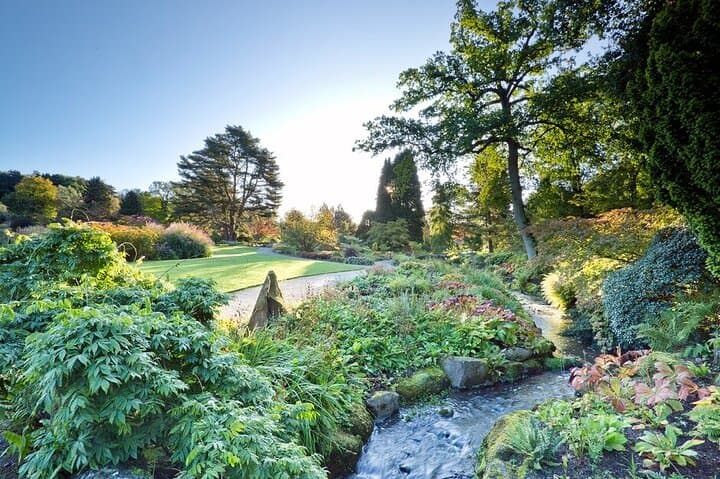
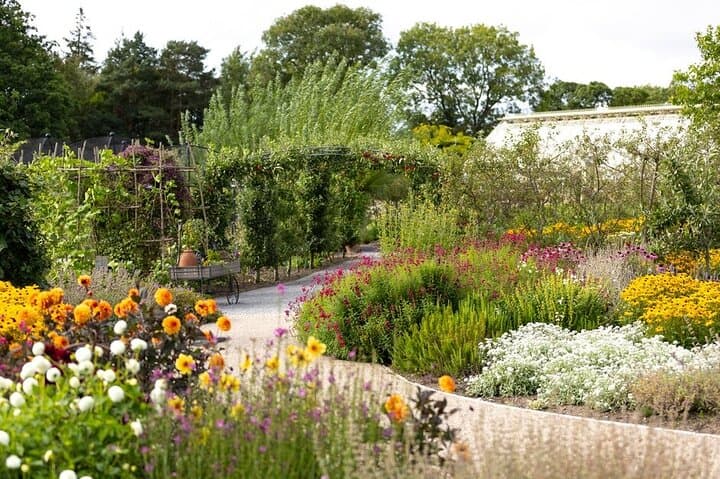
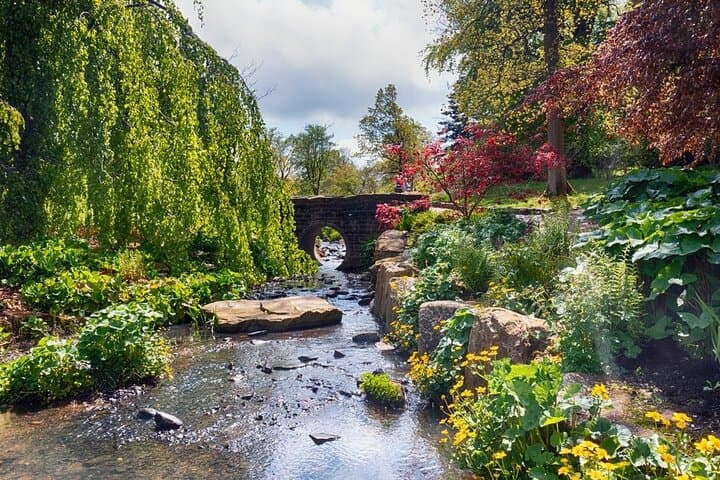
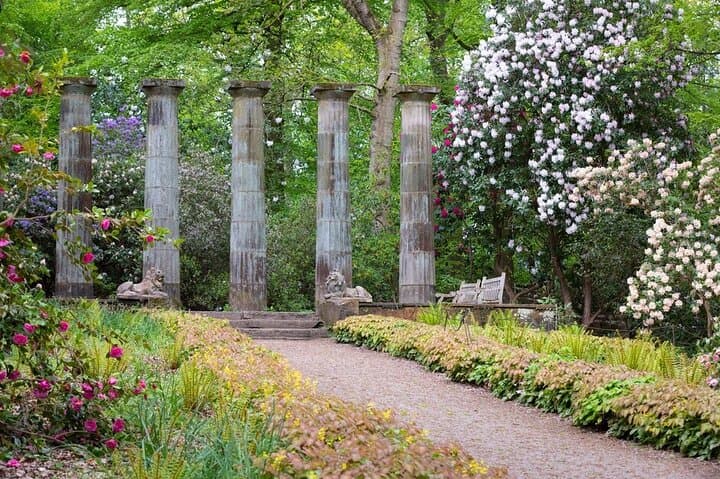
A chill of early morning pushes across Queen Mother’s Lake as mist peels away and the beds along Streamside lift their first colours — this is Harlow Carr arriving awake. Paths curve through bold herbaceous borders, sub-tropical palms and the clipped geometry of rock garden steps, with the Alpine House breathing a cool, high-mountain stillness that contrasts the warmer, louder Sub-Tropicana.
A chill of early morning pushes across Queen Mother’s Lake as mist peels away and the beds along Streamside lift their first colours — this is Harlow Carr arriving awake. Paths curve through bold herbaceous borders, sub-tropical palms and the clipped geometry of rock garden steps, with the Alpine House breathing a cool, high-mountain stillness that contrasts the warmer, louder Sub-Tropicana.
Established in the 20th century as a research and display garden, Harlow Carr occupies about 58 acres on the edge of Harrogate. The site sits on Carboniferous and Permian sandstone outcrops that give the Sandstone Rock Garden its gritty, well-draining terrain, while the lake and stream support wetter planting and wildflower meadows. The garden reflects Yorkshire horticultural tradition — experimental beds, seasonal trials and accessible design — and is a hub for local volunteers and educational programs.
Expect varied microclimates: damp, shaded woodlands; sunny lakeside lawns; and sheltered, tropical-feeling corners. Wildlife is active — damselflies on the lake and songbirds in the hedgerows — and the site’s design encourages low-impact visiting.
Practical tips: plan 2–4 hours to see the main highlights; use the mobile ticket on arrival; arrive early for softer light and quieter paths. Paths are mostly paved or compacted gravel and are wheelchair- and stroller-friendly in large sections, though some steeper rock-garden routes are uneven. Wear comfortable walking shoes, bring layered protection against wind or rain, and carry water and a small notebook if you like to sketch planting combos. The on-site facilities include toilets, a café and parking; public transport runs close by. With a mix of horticultural displays and open-air walking, Harlow Carr is as much a place for plant inspiration as it is for a restorative outdoor stroll.