THE ADVENTURE COLLECTIVE® · Independent discovery and booking for outdoor travel

Turn casual reef sightings into meaningful observations with the PADI Underwater Naturalist course in Hurghada. Learn local reef behavior, identification techniques, and responsible interaction during a full-day, instructor-led program.
Turn casual reef sightings into meaningful observations with the PADI Underwater Naturalist course in Hurghada. Learn local reef behavior, identification techniques, and responsible interaction during a full-day, instructor-led program.
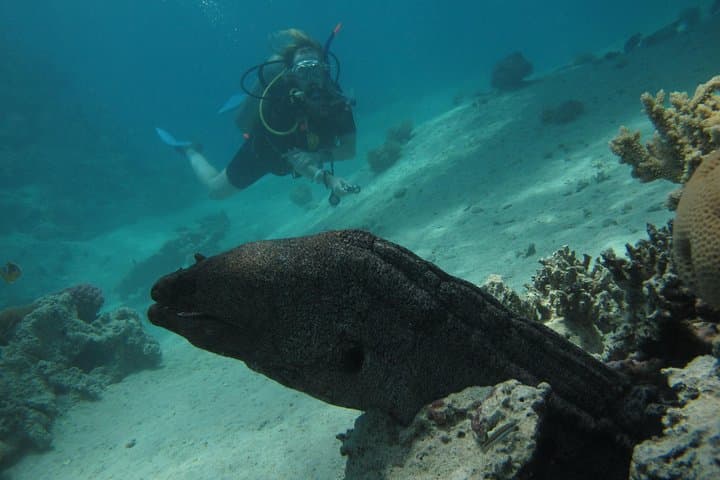
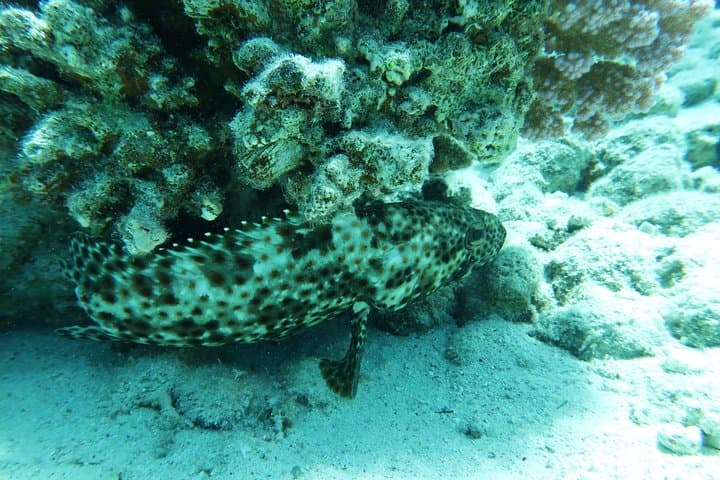
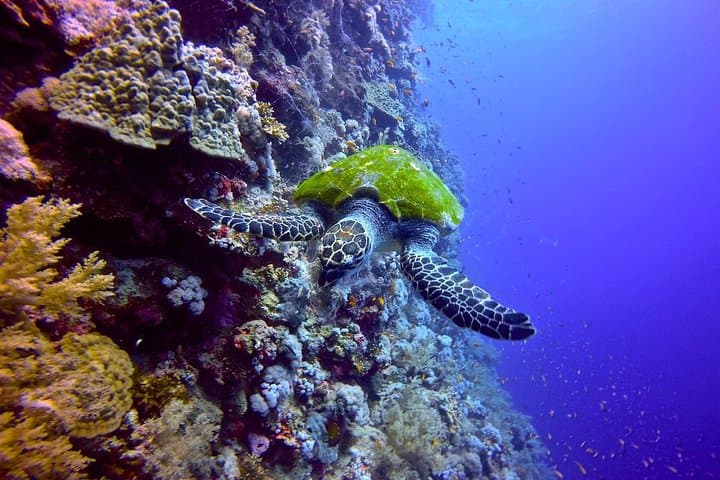
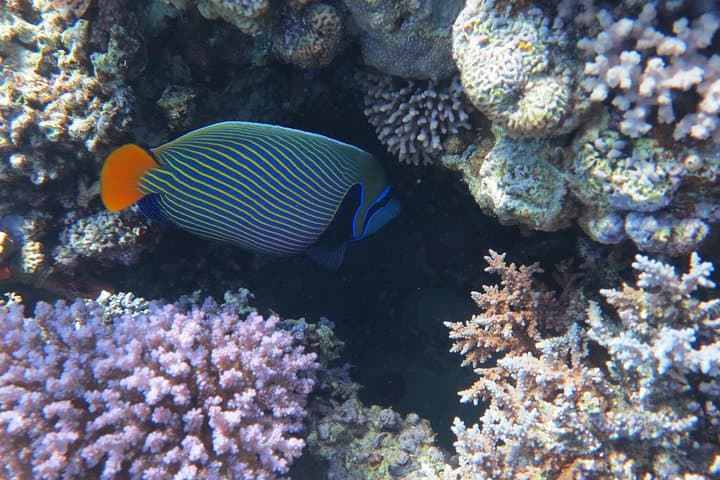
Sunlight pries through the Red Sea in filigreed shafts, each beam tracing a path across branching coral and darting fish. From the boat you watch bubbles rise like punctuation marks; below, a cleaner wrasse performs its small, precise choreography while a parrotfish scrapes algae from a coral head. The PADI Underwater Naturalist course turns those casual sightings into readable behavior—who’s cleaning whom, who’s hunting, and why certain species cling to particular reef microhabitats.
Verified experiences and guided adventures in the surrounding area.
Operated by Egypt Divers · Hurghada, Red Sea Governorate
Sunlight pries through the Red Sea in filigreed shafts, each beam tracing a path across branching coral and darting fish. From the boat you watch bubbles rise like punctuation marks; below, a cleaner wrasse performs its small, precise choreography while a parrotfish scrapes algae from a coral head. The PADI Underwater Naturalist course turns those casual sightings into readable behavior—who’s cleaning whom, who’s hunting, and why certain species cling to particular reef microhabitats.
The Red Sea is an evolving rift with a deep geological story: coral growth stacked against a backdrop of volcanic plates and trade-route history that brought fishermen, sailors and the modern dive industry. Local culture in Hurghada has shifted from fishing villages to a dive hub, but the coastal communities still maintain ties to the sea—boatmen, guides and small marinas remain essential.
Expect classroom briefing and in-water observation exercises focused on major life groups, symbioses, and safe, non-invasive interaction. Instructors use local reef sites to demonstrate cleaning stations, predator-prey interactions and coral health indicators. The course is hands-on: you’ll practice identification, conduct brief surveys and refine buoyancy so your presence becomes part of the reef’s choreography rather than a disturbance.
Practical edge: bring your certification card and logbook, arrive hydrated and well-rested, and plan for sun exposure between sessions. Operators typically supply a 12L tank, weights, and an instructor; ask ahead about rental gear and pickup. When you learn to read the reef, every dive transforms from sightseeing into investigation—your attention becomes the tool that reveals the reef’s hidden stories.
moderate.
1 day (6–8 hours of instruction and in-water sessions).
Moderate fitness—comfortable swimming ability, ability to manage gear and multiple shallow dives in a day
Yes; this course is intended for recreational divers—typically you must hold an Open Water Diver certification to participate.
Typical inclusions are a dive instructor, a 12L tank, and transfers within Hurghada, Sahl Hasheesh, and Makadi; confirm exact inclusions with the operator before booking.
This is usually a full-day program combining classroom and in-water observation exercises with one or two guided dives focused on ecology and identification.
Full refund is generally available if you cancel at least 24 hours before the scheduled start; check the operator’s specific terms when booking.
The Red Sea formed as a rift basin and became a historic maritime corridor; modern Hurghada grew from fishing hamlets into a global dive hub over the last century.
Coral reefs here face warming and local stressors—support operators that practice no-touch policies, proper ballast handling, and reef-aware anchoring.
Egypt Divers operates guided outdoor trips and adventures with an emphasis on safety, stewardship, and memorable experiences.
Sunlight pries through the Red Sea in filigreed shafts, each beam tracing a path across branching coral and darting fish. From the boat you watch bubbles rise like punctuation marks; below, a cleaner wrasse performs its small, precise choreography while a parrotfish scrapes algae from a coral head. The PADI Underwater Naturalist course turns those casual sightings into readable behavior—who’s cleaning whom, who’s hunting, and why certain species cling to particular reef microhabitats.
Sunlight pries through the Red Sea in filigreed shafts, each beam tracing a path across branching coral and darting fish. From the boat you watch bubbles rise like punctuation marks; below, a cleaner wrasse performs its small, precise choreography while a parrotfish scrapes algae from a coral head. The PADI Underwater Naturalist course turns those casual sightings into readable behavior—who’s cleaning whom, who’s hunting, and why certain species cling to particular reef microhabitats.
The Red Sea is an evolving rift with a deep geological story: coral growth stacked against a backdrop of volcanic plates and trade-route history that brought fishermen, sailors and the modern dive industry. Local culture in Hurghada has shifted from fishing villages to a dive hub, but the coastal communities still maintain ties to the sea—boatmen, guides and small marinas remain essential.
Expect classroom briefing and in-water observation exercises focused on major life groups, symbioses, and safe, non-invasive interaction. Instructors use local reef sites to demonstrate cleaning stations, predator-prey interactions and coral health indicators. The course is hands-on: you’ll practice identification, conduct brief surveys and refine buoyancy so your presence becomes part of the reef’s choreography rather than a disturbance.
Practical edge: bring your certification card and logbook, arrive hydrated and well-rested, and plan for sun exposure between sessions. Operators typically supply a 12L tank, weights, and an instructor; ask ahead about rental gear and pickup. When you learn to read the reef, every dive transforms from sightseeing into investigation—your attention becomes the tool that reveals the reef’s hidden stories.