THE ADVENTURE COLLECTIVE® · Independent discovery and booking for outdoor travel

Walk Quito’s UNESCO‑listed Historic Center with a local guide—visit Plaza Grande, La Compañía, and the Basilica while sampling traditional sweets and chocolate. This relaxed 3–4 hour tour pairs architecture and local stories with practical sightseeing tips.
Walk Quito’s UNESCO‑listed Historic Center with a local guide—visit Plaza Grande, La Compañía, and the Basilica while sampling traditional sweets and chocolate. This relaxed 3–4 hour tour pairs architecture and local stories with practical sightseeing tips.
Cobblestones click underfoot as the guide steers you through a city that keeps one eye on the past and the other on the volcanoes ringing the valley. Plaza Grande opens like a public room—benches, palm trees, and the white façades of colonial buildings watching the flow of daily life. From the gilded interior of La Compañía to the neo‑Gothic spires of the Basilica del Voto Nacional, each building insists you slow down and look closely.
Verified experiences and guided adventures in the surrounding area.
Operated by Real Dreams Tour · Quito, Pichincha
Cobblestones click underfoot as the guide steers you through a city that keeps one eye on the past and the other on the volcanoes ringing the valley. Plaza Grande opens like a public room—benches, palm trees, and the white façades of colonial buildings watching the flow of daily life. From the gilded interior of La Compañía to the neo‑Gothic spires of the Basilica del Voto Nacional, each building insists you slow down and look closely.
Quito’s historic center is one of the largest and best‑preserved colonial cores in the Americas, declared a UNESCO World Heritage site in 1978 for its concentration of 16th‑ to 18th‑century architecture. The city sits on volcanic highlands carved by Pichincha’s eruptions; streets follow old patterns of colonial urban planning, while indigenous craftsmanship survives in carved balconies and local markets.
Culturally, the tour threads stories of independence, church influence, and contemporary artisan life—sample paila ice cream or chocolate and hear about traditional sweets and canelazo, a warm spiced drink. The Basilica’s towers provide dramatic panoramas; on clear days Pichincha looms like a patient neighbor.
Practical guidance: this is an easy 3–4 hour walking tour across uneven stone streets with occasional steep steps. Wear sturdy shoes, bring a layered jacket for sudden mountain weather, and carry water. Expect crowds at key sites; early departures offer cooler temperatures and softer light for photography. Respect religious spaces, ask permission before photographing inside churches, and leave no trace in this fragile urban heritage.
easy.
3–4 hours.
Suitable for most fitness levels; requires basic mobility for walking on uneven surfaces and climbing short staircases.
The guided itinerary lasts about 3–4 hours with continuous walking on cobblestone streets and short staircases; pace is relaxed with stops at major sites.
Yes—Quito sits around 2,850 m (9,350 ft). Most people manage fine, but hydrate, move at a conservative pace, and sit if you feel light‑headed.
The tour visits exteriors and interiors of major churches like La Compañía; access to the Basilica towers may depend on availability and mobility restrictions.
Bilingual guides are available and the tour typically includes tastings of local sweets, chocolate, ice cream, and canelazo as listed in the inclusions.
Quito’s Historic Center grew rapidly after Spanish colonization in the 16th century; its dense collection of churches and colonial buildings reflects its role as an early administrative and religious capital in the Andes.
Preservation relies on low‑impact tourism: stick to marked areas, avoid touching gilded interiors, and support local artisans to keep cultural traditions economically viable.
Real Dreams Tour operates guided outdoor trips and adventures with an emphasis on safety, stewardship, and memorable experiences.
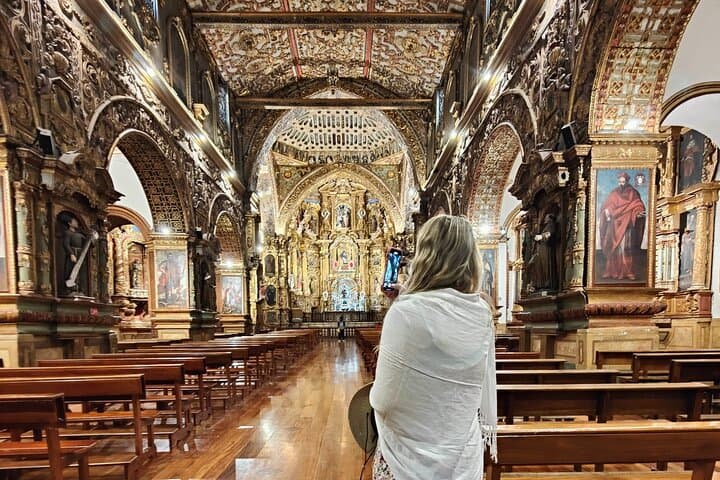
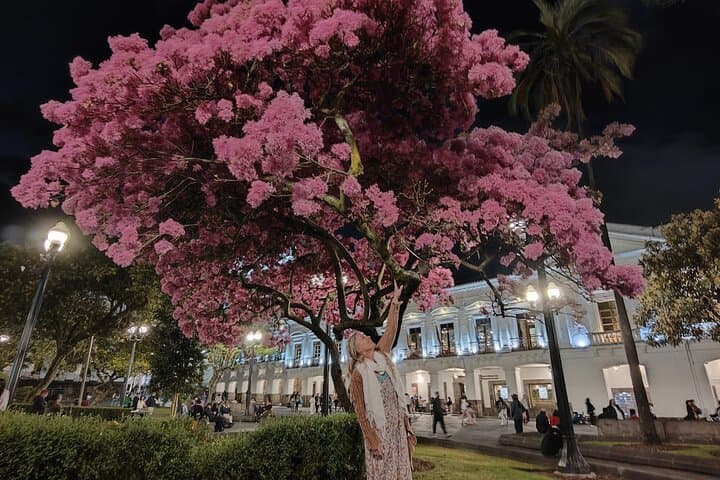
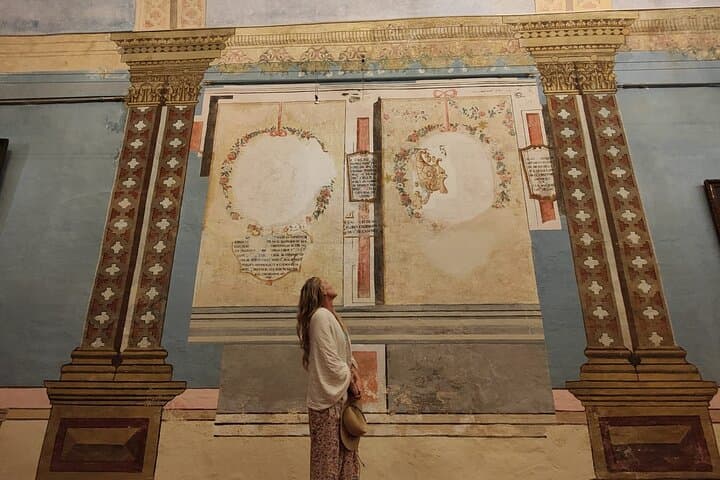
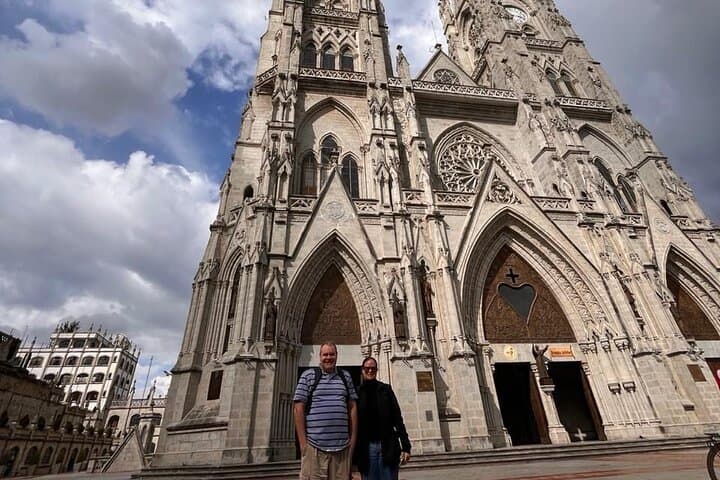
Cobblestones click underfoot as the guide steers you through a city that keeps one eye on the past and the other on the volcanoes ringing the valley. Plaza Grande opens like a public room—benches, palm trees, and the white façades of colonial buildings watching the flow of daily life. From the gilded interior of La Compañía to the neo‑Gothic spires of the Basilica del Voto Nacional, each building insists you slow down and look closely.
Cobblestones click underfoot as the guide steers you through a city that keeps one eye on the past and the other on the volcanoes ringing the valley. Plaza Grande opens like a public room—benches, palm trees, and the white façades of colonial buildings watching the flow of daily life. From the gilded interior of La Compañía to the neo‑Gothic spires of the Basilica del Voto Nacional, each building insists you slow down and look closely.
Quito’s historic center is one of the largest and best‑preserved colonial cores in the Americas, declared a UNESCO World Heritage site in 1978 for its concentration of 16th‑ to 18th‑century architecture. The city sits on volcanic highlands carved by Pichincha’s eruptions; streets follow old patterns of colonial urban planning, while indigenous craftsmanship survives in carved balconies and local markets.
Culturally, the tour threads stories of independence, church influence, and contemporary artisan life—sample paila ice cream or chocolate and hear about traditional sweets and canelazo, a warm spiced drink. The Basilica’s towers provide dramatic panoramas; on clear days Pichincha looms like a patient neighbor.
Practical guidance: this is an easy 3–4 hour walking tour across uneven stone streets with occasional steep steps. Wear sturdy shoes, bring a layered jacket for sudden mountain weather, and carry water. Expect crowds at key sites; early departures offer cooler temperatures and softer light for photography. Respect religious spaces, ask permission before photographing inside churches, and leave no trace in this fragile urban heritage.