THE ADVENTURE COLLECTIVE® · Independent discovery and booking for outdoor travel

Step into Qasr Al Watan’s marble halls and curated galleries to see the UAE’s history and statecraft on public display. This practical guide tells you what to expect—timing, access, and how to prepare for a dignified, informative palace visit.
Step into Qasr Al Watan’s marble halls and curated galleries to see the UAE’s history and statecraft on public display. This practical guide tells you what to expect—timing, access, and how to prepare for a dignified, informative palace visit.
You cross a threshold of marble and light: the palace gates open onto a vast paved courtyard, domes catching the sun and shadow playing across ornate reliefs. Voices and footsteps soften as you enter the Great Hall, where architectural rhythms—arches, calligraphy, inlaid stone—move the eye toward displays of manuscripts and statecraft.
Verified experiences and guided adventures in the surrounding area.
Operated by holidayys.com · Abu Dhabi, Abu Dhabi
You cross a threshold of marble and light: the palace gates open onto a vast paved courtyard, domes catching the sun and shadow playing across ornate reliefs. Voices and footsteps soften as you enter the Great Hall, where architectural rhythms—arches, calligraphy, inlaid stone—move the eye toward displays of manuscripts and statecraft.
Qasr Al Watan opened to the public in 2019 as part of Abu Dhabi’s initiative to share the workings and heritage of the UAE’s leadership. It’s a functioning presidential palace and a cultural complex: public galleries, a library of rare documents, and curated exhibitions that trace science, literature, and governance in the Arab world. The building’s forms draw on classical Islamic geometry and contemporary engineering—marble courtyards, carved ceilings, and expansive landscaped gardens that push green life into an arid coastal plain.
For visitors this is part museum, part civic tour. Expect 30–60 minutes for a focused visit; longer if you linger in the library or stroll the gardens at golden hour. Practical notes: buy a mobile ticket and bring modest, breathable clothing; many interior spaces are cool but the approach walks are exposed to sun. Photography is permitted in most public galleries but respect restricted rooms and signage. Hydrate before and after—water is scarce in the grounds despite the manicured lawns—and allow time to absorb the exhibits that contextualize the UAE’s rapid modernization.
A palace visit here is less about spectacle and more about context: statecraft presented with architectural care, and gardens that quietly remind you the desert is managed, not tamed.
easy.
30–60 minutes.
Suitable for all fitness levels; minimal walking across paved courtyards and gardens.
Most visitors spend 30–60 minutes touring the main halls and gardens; allow extra time for exhibitions or the library displays.
You can get a full refund if you cancel at least 24 hours in advance, per the booking policy—check your confirmation for details.
Yes—accessibility features and routes are provided; staff can advise on the smoothest path through galleries and gardens.
Photography is permitted in many public areas but some rooms and exhibits are restricted—look for signage and follow staff directions.
Opened to the public in 2019, Qasr Al Watan functions as both a working presidential palace and a cultural center showcasing state heritage and governance.
The palace maintains planted gardens and water features in an arid landscape—visitors should follow site rules to minimize water use and avoid littering.
holidayys.com operates guided outdoor trips and adventures with an emphasis on safety, stewardship, and memorable experiences.
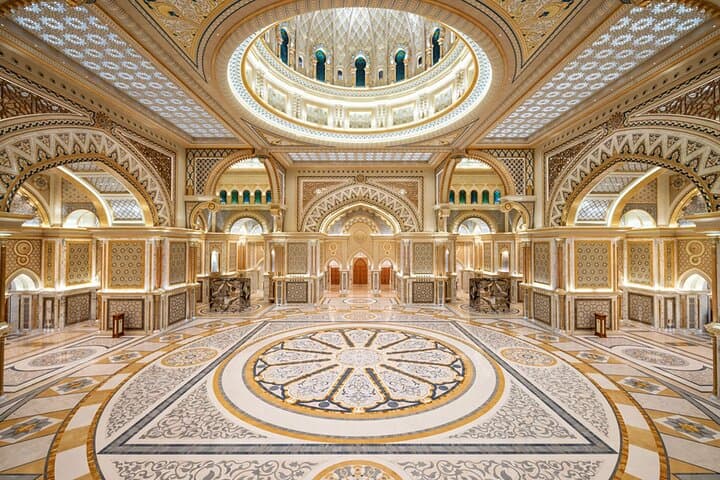
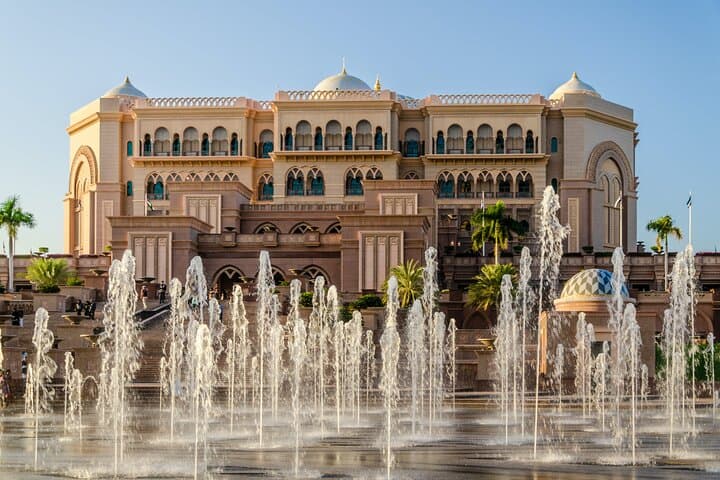
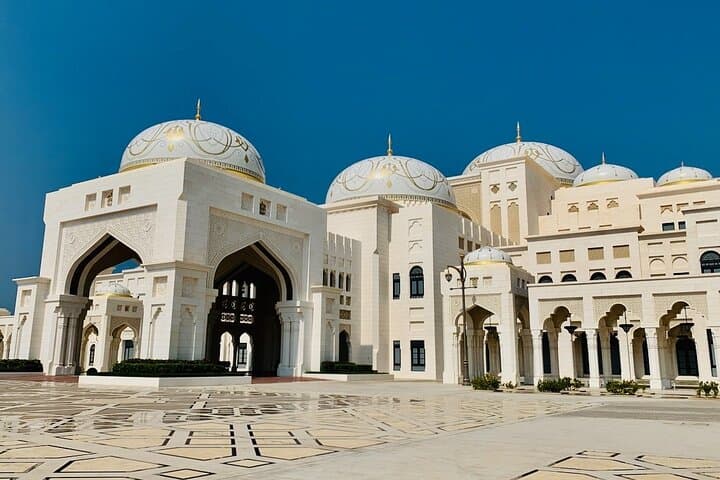
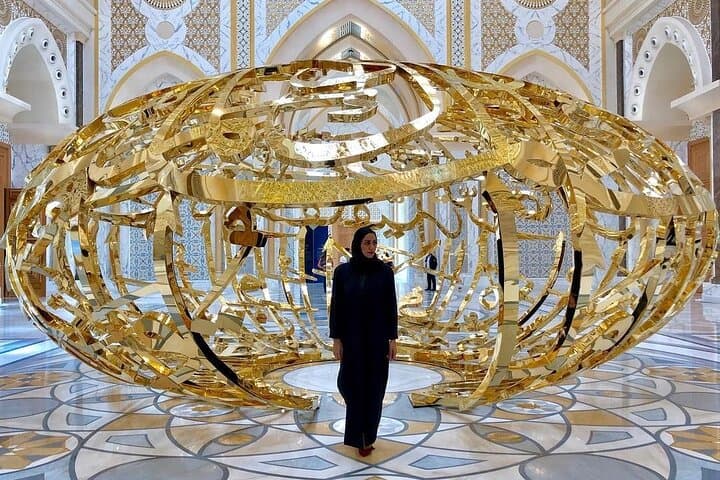
You cross a threshold of marble and light: the palace gates open onto a vast paved courtyard, domes catching the sun and shadow playing across ornate reliefs. Voices and footsteps soften as you enter the Great Hall, where architectural rhythms—arches, calligraphy, inlaid stone—move the eye toward displays of manuscripts and statecraft.
You cross a threshold of marble and light: the palace gates open onto a vast paved courtyard, domes catching the sun and shadow playing across ornate reliefs. Voices and footsteps soften as you enter the Great Hall, where architectural rhythms—arches, calligraphy, inlaid stone—move the eye toward displays of manuscripts and statecraft.
Qasr Al Watan opened to the public in 2019 as part of Abu Dhabi’s initiative to share the workings and heritage of the UAE’s leadership. It’s a functioning presidential palace and a cultural complex: public galleries, a library of rare documents, and curated exhibitions that trace science, literature, and governance in the Arab world. The building’s forms draw on classical Islamic geometry and contemporary engineering—marble courtyards, carved ceilings, and expansive landscaped gardens that push green life into an arid coastal plain.
For visitors this is part museum, part civic tour. Expect 30–60 minutes for a focused visit; longer if you linger in the library or stroll the gardens at golden hour. Practical notes: buy a mobile ticket and bring modest, breathable clothing; many interior spaces are cool but the approach walks are exposed to sun. Photography is permitted in most public galleries but respect restricted rooms and signage. Hydrate before and after—water is scarce in the grounds despite the manicured lawns—and allow time to absorb the exhibits that contextualize the UAE’s rapid modernization.
A palace visit here is less about spectacle and more about context: statecraft presented with architectural care, and gardens that quietly remind you the desert is managed, not tamed.