THE ADVENTURE COLLECTIVE® · Independent discovery and booking for outdoor travel

Step into Springfield’s Pythian Castle for a one-hour guided tour through ballroom, dungeon, and tower room. Learn the Knights of Pythias’ local legacy and practical tips for visiting historic, stair-filled spaces.
Step into Springfield’s Pythian Castle for a one-hour guided tour through ballroom, dungeon, and tower room. Learn the Knights of Pythias’ local legacy and practical tips for visiting historic, stair-filled spaces.
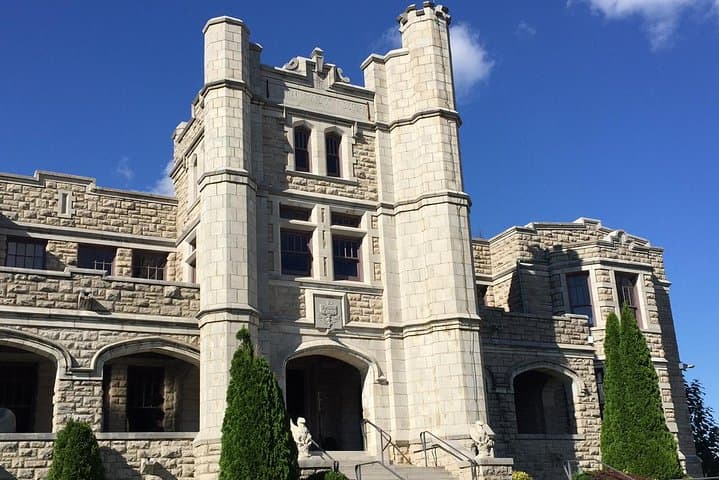
The heavy wooden door opens and the air shifts—cool stone, the faint scent of old wood and polish. In under an hour a guide moves a small group through a compact, three-story footprint: the ballroom’s polished floor, the low-ceilinged dungeon, and the narrow tower room that looks out over downtown Springfield. The building itself feels like a character, its brick and ornament daring visitors to look closer.
Verified experiences and guided adventures in the surrounding area.
Operated by Pythian Castle · Springfield, Missouri
The heavy wooden door opens and the air shifts—cool stone, the faint scent of old wood and polish. In under an hour a guide moves a small group through a compact, three-story footprint: the ballroom’s polished floor, the low-ceilinged dungeon, and the narrow tower room that looks out over downtown Springfield. The building itself feels like a character, its brick and ornament daring visitors to look closer.
Built in 1913 by the Knights of Pythias, Pythian Castle served as a fraternal lodge and public event space. The tour highlights early-20th-century fraternal architecture, original plasterwork, and the social role these organizations played in Midwest civic life. Springfield’s flat river plain and nearby limestone bedrock shaped local construction; the castle’s masonry reflects that regional geology and the city’s growth during the Progressive Era.
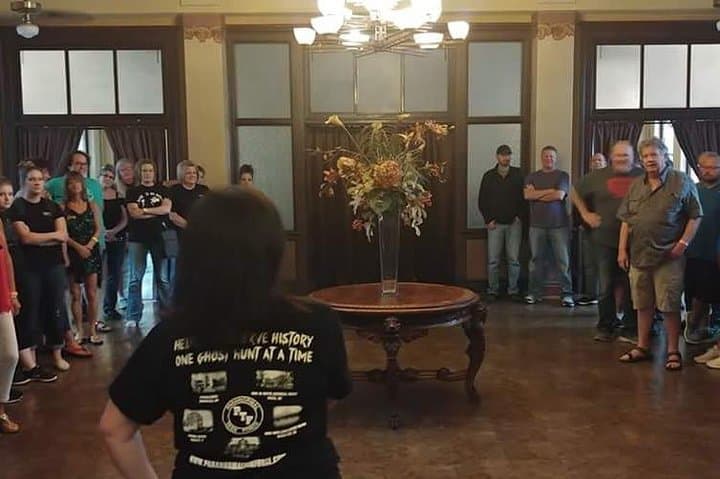
This is a focused, interpretive walk: expect stairs, tighter passages, and concentrated exhibits rather than sprawling displays. Guides emphasize stories—membership rituals, ballroom dances, and the building’s later adaptations. Practical points matter: check in at the castle entrance, tours run rain or shine, and groups may be limited to 25 people. Dress in sensible shoes for stairs; bring a camera and an interest in urban history.
Timing your visit around quieter weekday mornings reduces wait and makes the tower-room view easier to appreciate. The tour supports ongoing preservation, and your ticket directly aids maintenance of original features—so you see more than rooms, you see care being kept.
easy.
1 hour.
Light to moderate mobility recommended due to stairs and standing for portions of the tour
The standard guided tour runs approximately 60 minutes and covers three floors including the tower room.
The first floor is wheelchair accessible; however, the tour includes stairs and upper floors are not accessible.
Yes—adult pricing applies to all travelers 5 years and up, but the tour involves stairs and some narrow spaces.
Tours require a minimum number of guests; if the operator cancels you will be offered an alternative or a full refund.
Constructed in 1913 for the Knights of Pythias, the building served as a fraternal lodge and public assembly hall that reflected Springfield’s early-20th-century civic life.
Tours fund preservation of original features and help maintain masonry and plaster work; visitors are asked to avoid touching fragile elements.
Pythian Castle operates guided outdoor trips and adventures with an emphasis on safety, stewardship, and memorable experiences.
The heavy wooden door opens and the air shifts—cool stone, the faint scent of old wood and polish. In under an hour a guide moves a small group through a compact, three-story footprint: the ballroom’s polished floor, the low-ceilinged dungeon, and the narrow tower room that looks out over downtown Springfield. The building itself feels like a character, its brick and ornament daring visitors to look closer.
The heavy wooden door opens and the air shifts—cool stone, the faint scent of old wood and polish. In under an hour a guide moves a small group through a compact, three-story footprint: the ballroom’s polished floor, the low-ceilinged dungeon, and the narrow tower room that looks out over downtown Springfield. The building itself feels like a character, its brick and ornament daring visitors to look closer.
Built in 1913 by the Knights of Pythias, Pythian Castle served as a fraternal lodge and public event space. The tour highlights early-20th-century fraternal architecture, original plasterwork, and the social role these organizations played in Midwest civic life. Springfield’s flat river plain and nearby limestone bedrock shaped local construction; the castle’s masonry reflects that regional geology and the city’s growth during the Progressive Era.
This is a focused, interpretive walk: expect stairs, tighter passages, and concentrated exhibits rather than sprawling displays. Guides emphasize stories—membership rituals, ballroom dances, and the building’s later adaptations. Practical points matter: check in at the castle entrance, tours run rain or shine, and groups may be limited to 25 people. Dress in sensible shoes for stairs; bring a camera and an interest in urban history.
Timing your visit around quieter weekday mornings reduces wait and makes the tower-room view easier to appreciate. The tour supports ongoing preservation, and your ticket directly aids maintenance of original features—so you see more than rooms, you see care being kept.