THE ADVENTURE COLLECTIVE® · Independent discovery and booking for outdoor travel

Venture four kilometers into Puerto Princesa’s subterranean river on a private paddle‑boat journey that stretches the usual cave tour to about three hours. Expect close quarters, dramatic limestone formations, and a hearty Filipino lunch back on Sabang beach.
Venture four kilometers into Puerto Princesa’s subterranean river on a private paddle‑boat journey that stretches the usual cave tour to about three hours. Expect close quarters, dramatic limestone formations, and a hearty Filipino lunch back on Sabang beach.
The motorboat pushes away from Sabang’s mangrove fringe and the island’s heat draws back like a curtain — suddenly the mouth of a cave yawns ahead, a dark throat that will swallow the day. On this private 4‑kilometer excursion into Puerto Princesa’s subterranean river, visitors trade bright sky for an amphitheater of stone: low-slung chambers where water carries echoes and the boat’s paddle ticks against limestone ribs.
Verified experiences and guided adventures in the surrounding area.
Operated by Corazon Travel and Tours · Puerto Princesa, Palawan
The motorboat pushes away from Sabang’s mangrove fringe and the island’s heat draws back like a curtain — suddenly the mouth of a cave yawns ahead, a dark throat that will swallow the day. On this private 4‑kilometer excursion into Puerto Princesa’s subterranean river, visitors trade bright sky for an amphitheater of stone: low-slung chambers where water carries echoes and the boat’s paddle ticks against limestone ribs.
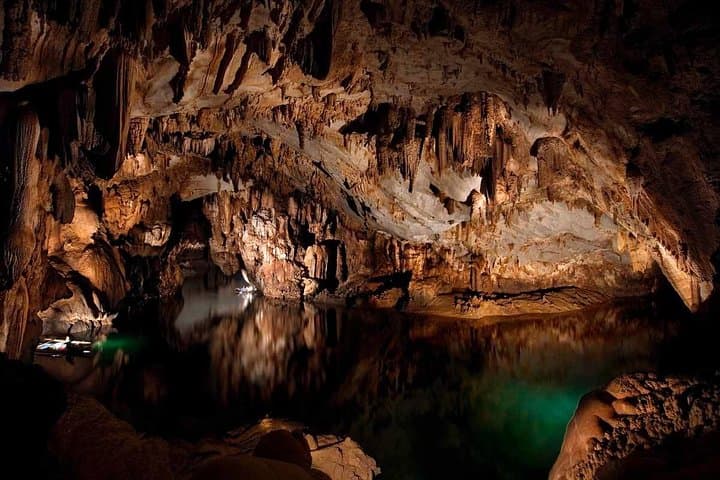
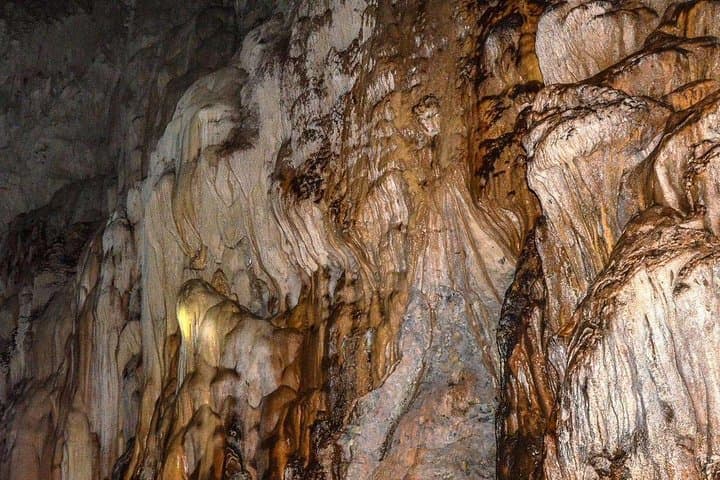
Puerto Princesa Subterranean River National Park is not just a cave system; it’s a chapter of the island’s geological story. Millennia of rain and groundwater dissolved an ancient coral and limestone platform, carving a river that still flows to the South China Sea. Stalactites and stalagmites grow toward one another like slow-motion negotiations; flowstone drapes the walls and, in places, fossilized marine life hints at ocean floors lifted and hardened by tectonic forces.
The site earned UNESCO World Heritage status and a spot among the New 7 Wonders of Nature because of its scale, biodiversity and karst formations. Culturally, Sabang remains a working coastal village: local fishermen, park rangers and guides whose livelihoods are threaded through conservation and tourism. A post‑tour Filipino lunch — grilled fish, steamed rice, and regional sides — is both fuel and a small lesson in Palawan’s flavors.
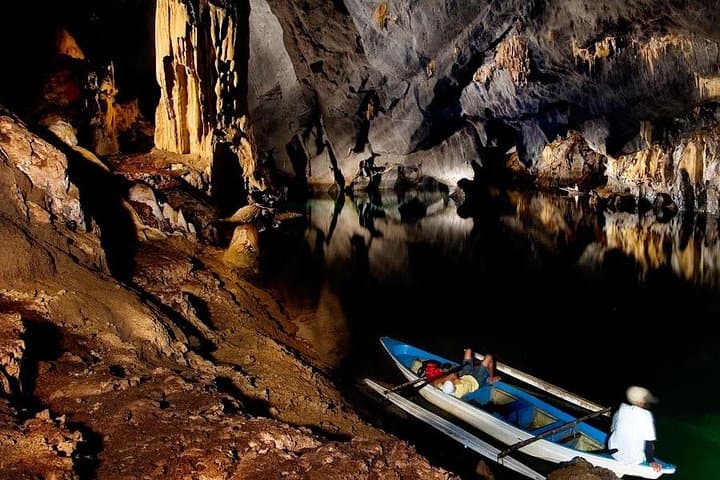
Practically, this is an all‑day commitment. Pickup is early, the road to Sabang winds through humid forest, and the park’s protocol requires a paddle boat ride with a trained guide. Unlike the standard 45‑minute trip, this private option ventures roughly four kilometers into the cave system and can keep visitors inside for around three hours; the guide controls speed and direction, and the boat moves where the river allows.
Expect dim light, cool pockets of air, damp stone and occasional low ceilings — bring a small headlamp or use your phone’s dim setting for safer footing. The park limits access to protect the cave’s ecology and to keep tours orderly; always listen to the guide and avoid touching formations.
For travelers: wear quick‑dry clothing and non‑slip shoes, stow cameras in waterproof sleeves, and prepare for an early return to Sabang for lunch and optional beach time. Book in the dry season (November–May) for the calmest seas and most reliable schedules, but be ready to reschedule if monsoon winds pick up. This private tour magnifies the cave’s intimacy and the day’s logistical demands — arrive rested, hydrated and curious, and the Underground River rewards with slow, underground grandeur.
moderate.
8–10 hours.
Moderate fitness: able to sit in a low paddle boat for extended periods and manage short stairs or uneven footing at entry points.
This private option prolongs the cave experience to roughly three hours and covers about four kilometers of the underground river, compared with the standard 45‑minute public ride.
Children can join but must sit on laps if infants; parents should consider confined spaces and boat stability for younger kids.
Yes — bats and cave-adapted species are present; sightings depend on timing and noise levels but are common near darker, less trafficked passages.
Yes — guides and operators supply life jackets for all passengers during boat transfers and the cave journey.
Strong winds or rough seas can force cancellations for safety; operators typically refund or reschedule if conditions are unsafe.
Photography is allowed, but light is low; use fast lenses, steady hands, or phone night modes and avoid flash to protect the cave environment.
Declared a UNESCO World Heritage Site, the park preserves karst landscapes and an underground river that reflects Palawan’s complex geological uplift and sea‑level changes over millennia.
Park authorities limit visitor numbers and enforce no‑touch rules to protect fragile formations and bat roosts; choose operators who support local conservation fees and community programs.
Corazon Travel and Tours operates guided outdoor trips and adventures with an emphasis on safety, stewardship, and memorable experiences.
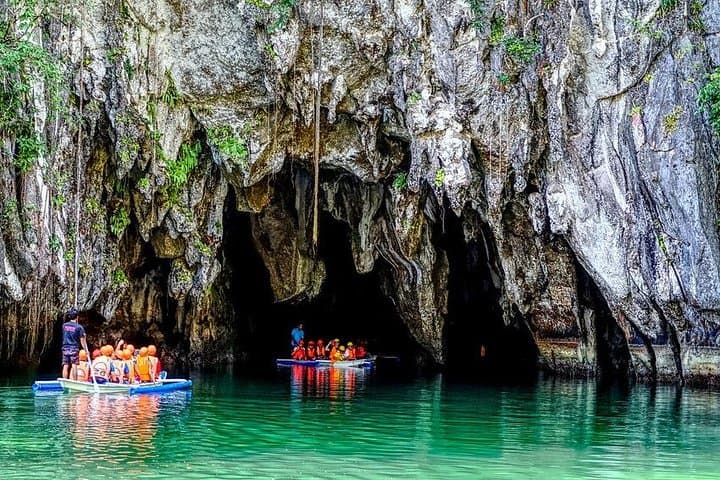
The motorboat pushes away from Sabang’s mangrove fringe and the island’s heat draws back like a curtain — suddenly the mouth of a cave yawns ahead, a dark throat that will swallow the day. On this private 4‑kilometer excursion into Puerto Princesa’s subterranean river, visitors trade bright sky for an amphitheater of stone: low-slung chambers where water carries echoes and the boat’s paddle ticks against limestone ribs.
The motorboat pushes away from Sabang’s mangrove fringe and the island’s heat draws back like a curtain — suddenly the mouth of a cave yawns ahead, a dark throat that will swallow the day. On this private 4‑kilometer excursion into Puerto Princesa’s subterranean river, visitors trade bright sky for an amphitheater of stone: low-slung chambers where water carries echoes and the boat’s paddle ticks against limestone ribs.
Puerto Princesa Subterranean River National Park is not just a cave system; it’s a chapter of the island’s geological story. Millennia of rain and groundwater dissolved an ancient coral and limestone platform, carving a river that still flows to the South China Sea. Stalactites and stalagmites grow toward one another like slow-motion negotiations; flowstone drapes the walls and, in places, fossilized marine life hints at ocean floors lifted and hardened by tectonic forces.
The site earned UNESCO World Heritage status and a spot among the New 7 Wonders of Nature because of its scale, biodiversity and karst formations. Culturally, Sabang remains a working coastal village: local fishermen, park rangers and guides whose livelihoods are threaded through conservation and tourism. A post‑tour Filipino lunch — grilled fish, steamed rice, and regional sides — is both fuel and a small lesson in Palawan’s flavors.
Practically, this is an all‑day commitment. Pickup is early, the road to Sabang winds through humid forest, and the park’s protocol requires a paddle boat ride with a trained guide. Unlike the standard 45‑minute trip, this private option ventures roughly four kilometers into the cave system and can keep visitors inside for around three hours; the guide controls speed and direction, and the boat moves where the river allows.
Expect dim light, cool pockets of air, damp stone and occasional low ceilings — bring a small headlamp or use your phone’s dim setting for safer footing. The park limits access to protect the cave’s ecology and to keep tours orderly; always listen to the guide and avoid touching formations.
For travelers: wear quick‑dry clothing and non‑slip shoes, stow cameras in waterproof sleeves, and prepare for an early return to Sabang for lunch and optional beach time. Book in the dry season (November–May) for the calmest seas and most reliable schedules, but be ready to reschedule if monsoon winds pick up. This private tour magnifies the cave’s intimacy and the day’s logistical demands — arrive rested, hydrated and curious, and the Underground River rewards with slow, underground grandeur.