THE ADVENTURE COLLECTIVE® · Independent discovery and booking for outdoor travel

Spend a private day exploring UNESCO-listed Paleolithic caves near Puente Viesgo with a museum visit and time in Santillana del Mar. This full-day tour blends geology, prehistory and medieval village life with private transport and guided cave access.
Spend a private day exploring UNESCO-listed Paleolithic caves near Puente Viesgo with a museum visit and time in Santillana del Mar. This full-day tour blends geology, prehistory and medieval village life with private transport and guided cave access.
Light filters through beech and oak as the private vehicle hums up from Santander, depositing you at a low river valley where stone has recorded human hands for tens of thousands of years.
Verified experiences and guided adventures in the surrounding area.
Operated by EXPLORING CANTABRIA · Puente Viesgo, Cantabria
Light filters through beech and oak as the private vehicle hums up from Santander, depositing you at a low river valley where stone has recorded human hands for tens of thousands of years.
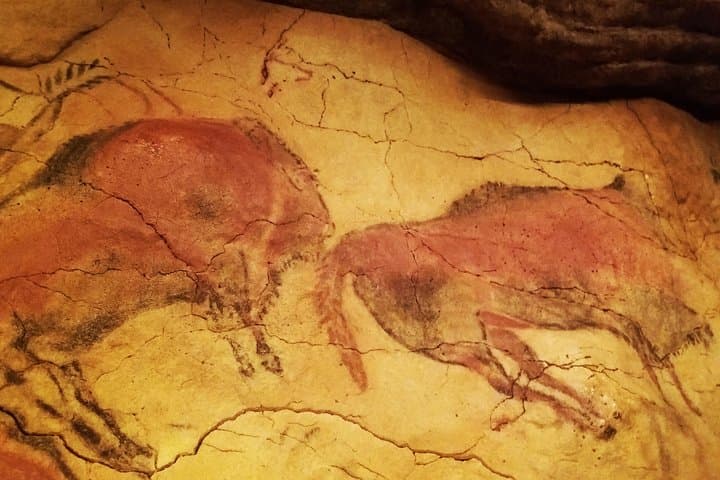
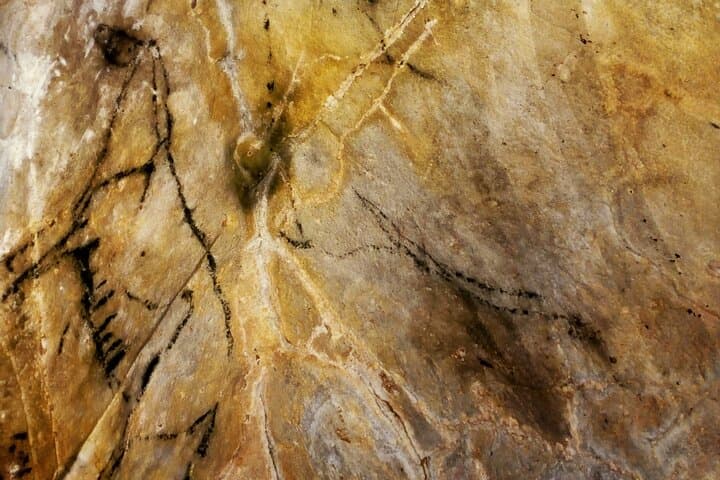
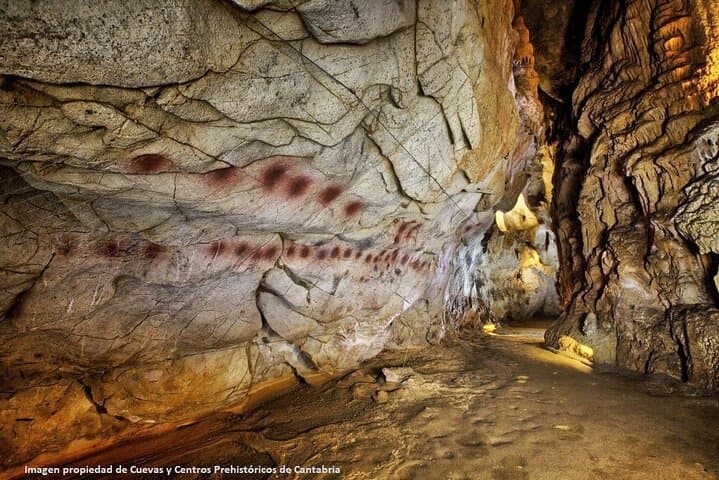
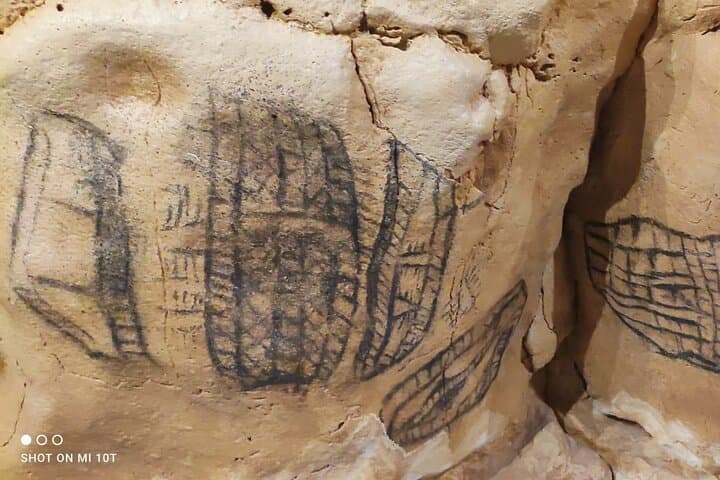
Inside El Castillo and Las Monedas the air cools and the cave walls take on a depth that feels like time made visible — red and black pigments, hand stencils and engravings that predate written history. The tour opens with the Altamira Neocave at the Altamira Museum, a carefully controlled replica that prepares visitors for the fragile reality of original Paleolithic panels.
Geologically these sites sit in Cantabria’s karst—limestone caves carved by ancient water, now preserving pigments and calcite formations. Culturally this stretch of northern Spain is steeped in medieval towns too: Santillana del Mar’s Romanesque church and cobbled streets contrast the deep-prehistory of the caverns.
Practically, expect a full nine-hour day: private transport, guided cave visits with limited group size, and periods of standing or walking on uneven surfaces and steps. Photography is restricted inside the real caves and visits run on strict schedules to protect microclimates; the Neocave is the place for photos and context. Bring layers — interiors are cool and humid — and allow extra time in Santillana del Mar to walk its historic center.
This private option is ideal for travelers who want a concentrated, curator-led look at UNESCO-listed Paleolithic art without navigating public transport, but note health restrictions and modest physical requirements when booking.
easy.
9 hours.
Suitable for people who can walk short distances, manage steps and stand for guided explanations; not strenuous.
No — flash photography and most photography are prohibited inside the original caves to protect pigments; the Altamira Neocave is intended for photos.
Children are allowed but must be accompanied by an adult; note that some cave spaces are narrow and visits require quiet behavior.
Pickup and drop-off in Santander are included; confirm your exact pickup point when booking.
Cave visits are typically around 60 minutes each and the Altamira Neocave visit about 75–90 minutes, with the whole day lasting roughly nine hours including travel and village stops.
The caves of Cantabria form part of the UNESCO World Heritage listing for Paleolithic cave art; paintings and hand stencils here date back tens of thousands of years and reshaped understanding of prehistoric symbolism.
Access is tightly managed to protect cave microclimates and pigments; follow guide instructions, avoid flash photography and stay on designated routes to minimize impact.
EXPLORING CANTABRIA operates guided outdoor trips and adventures with an emphasis on safety, stewardship, and memorable experiences.
Light filters through beech and oak as the private vehicle hums up from Santander, depositing you at a low river valley where stone has recorded human hands for tens of thousands of years.
Light filters through beech and oak as the private vehicle hums up from Santander, depositing you at a low river valley where stone has recorded human hands for tens of thousands of years.
Inside El Castillo and Las Monedas the air cools and the cave walls take on a depth that feels like time made visible — red and black pigments, hand stencils and engravings that predate written history. The tour opens with the Altamira Neocave at the Altamira Museum, a carefully controlled replica that prepares visitors for the fragile reality of original Paleolithic panels.
Geologically these sites sit in Cantabria’s karst—limestone caves carved by ancient water, now preserving pigments and calcite formations. Culturally this stretch of northern Spain is steeped in medieval towns too: Santillana del Mar’s Romanesque church and cobbled streets contrast the deep-prehistory of the caverns.
Practically, expect a full nine-hour day: private transport, guided cave visits with limited group size, and periods of standing or walking on uneven surfaces and steps. Photography is restricted inside the real caves and visits run on strict schedules to protect microclimates; the Neocave is the place for photos and context. Bring layers — interiors are cool and humid — and allow extra time in Santillana del Mar to walk its historic center.
This private option is ideal for travelers who want a concentrated, curator-led look at UNESCO-listed Paleolithic art without navigating public transport, but note health restrictions and modest physical requirements when booking.