THE ADVENTURE COLLECTIVE® · Independent discovery and booking for outdoor travel

A six-hour guided loop from Trieste that pairs the birthplace of Prosecco with the raw limestone beauty of the Karst plateau. Visit vineyard terraces, taste local wine and cured ham, and climb to Štanjel’s Ferrari Garden for sweeping Adriatic views.
A six-hour guided loop from Trieste that pairs the birthplace of Prosecco with the raw limestone beauty of the Karst plateau. Visit vineyard terraces, taste local wine and cured ham, and climb to Štanjel’s Ferrari Garden for sweeping Adriatic views.
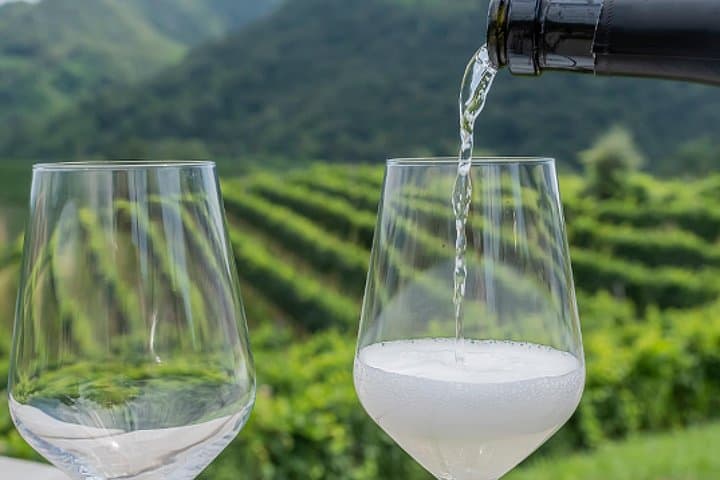
You step out of Trieste’s coastal humidity into the cooler light of the Karst plateau, vineyards folding like low waves to the Slovenian horizon. The village of Prosecco appears as rows of glera vines and stone walls, the grape that made this sparkling wine famous leaning into the wind.
Verified experiences and guided adventures in the surrounding area.
Operated by KoperTrips.com · Trieste, Friuli Venezia Giulia
You step out of Trieste’s coastal humidity into the cooler light of the Karst plateau, vineyards folding like low waves to the Slovenian horizon. The village of Prosecco appears as rows of glera vines and stone walls, the grape that made this sparkling wine famous leaning into the wind.
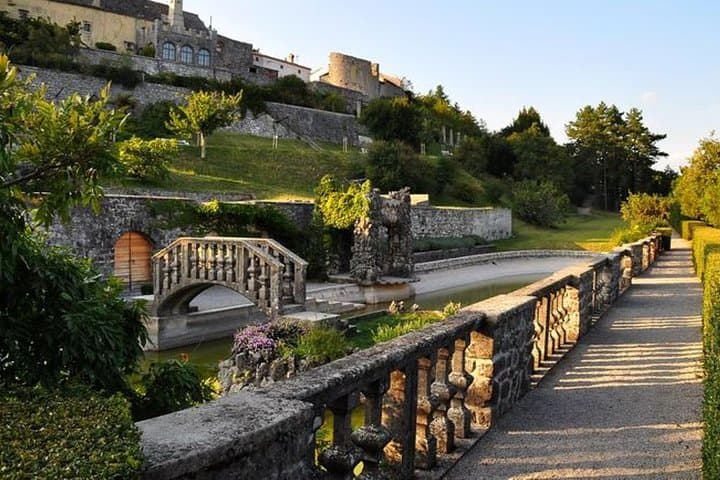
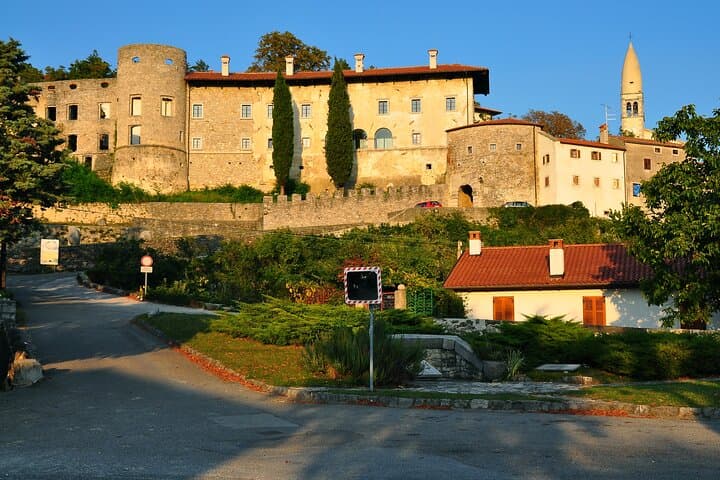
This route ties viticulture to geology and human craft. The Glera grape has been grown here for centuries; its name is rooted in local place names predating commercial Prosecco. Move on and the landscape changes—limestone karst pocks the ground with sinkholes and dry valleys, the stone keeping water as memory rather than surface flow. Štanjel crowns a hill: medieval walls, the Church of St. Daniel, and the Ferrari Garden restored by architect-mayor Maks Fabiani between the world wars are visible from terraces that frame broad Adriatic-facing views.
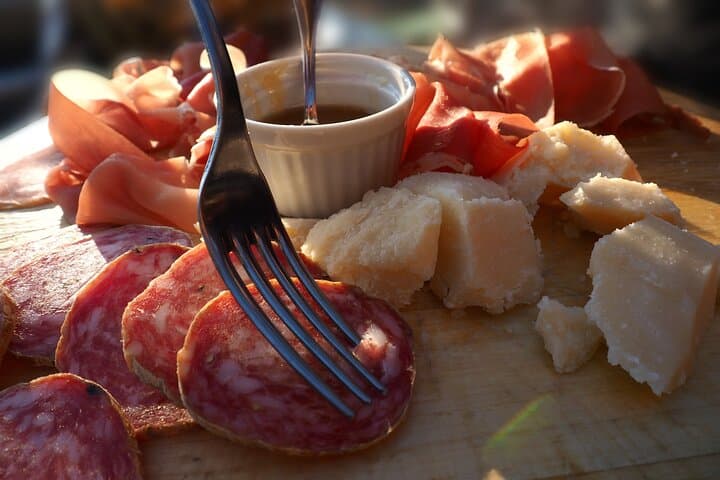
Culture here is tactile—salt air, cured prosciutto, sheep cheeses and small-batch wines served slowly at a family winery. The tour balances tasting with short walks and photo stops; expect cobbled lanes, a moderate climb to Štanjel’s outlooks, and paved village roads rather than technical trails.
Practical details: allow a six-hour window, bring a passport if your itinerary crosses into Slovenia, and wear comfortable shoes for uneven village pavements. Hydrate between tastings, pace wine samples, and leave room in luggage for a bottle or two. The route is an easy, sensory introduction to where Prosecco began and how karst geology shapes the flavors and the settlements that grew on it.
easy.
6 hours.
Suitable for most fitness levels; involves short, gentle uphill walks on cobbles and paved village lanes
Yes—bring a passport or EU ID card in case the itinerary crosses near or briefly into Slovenia; guides usually advise on border formalities.
Expect short walks of 10–30 minutes at several stops, including a moderate uphill section in Štanjel; surfaces are mostly paved or cobbled.
Tastings of Prosecco and local wines plus regional foods are included; notify the operator in advance for dietary needs so alternatives can be arranged.
The operator lists stroller access and infant seats; however, cobbled streets can be bumpy—consider a carrier for easier mobility through villages.
The Glera grape has deep local roots and Štanjel reflects layers of medieval planning and inter-war restoration led by architect Maks Fabiani.
Karst limestone is porous and ecologically sensitive—stay on roads and avoid trampling dry-stone walls; support small producers practicing sustainable viticulture.
KoperTrips.com operates guided outdoor trips and adventures with an emphasis on safety, stewardship, and memorable experiences.
You step out of Trieste’s coastal humidity into the cooler light of the Karst plateau, vineyards folding like low waves to the Slovenian horizon. The village of Prosecco appears as rows of glera vines and stone walls, the grape that made this sparkling wine famous leaning into the wind.
You step out of Trieste’s coastal humidity into the cooler light of the Karst plateau, vineyards folding like low waves to the Slovenian horizon. The village of Prosecco appears as rows of glera vines and stone walls, the grape that made this sparkling wine famous leaning into the wind.
This route ties viticulture to geology and human craft. The Glera grape has been grown here for centuries; its name is rooted in local place names predating commercial Prosecco. Move on and the landscape changes—limestone karst pocks the ground with sinkholes and dry valleys, the stone keeping water as memory rather than surface flow. Štanjel crowns a hill: medieval walls, the Church of St. Daniel, and the Ferrari Garden restored by architect-mayor Maks Fabiani between the world wars are visible from terraces that frame broad Adriatic-facing views.
Culture here is tactile—salt air, cured prosciutto, sheep cheeses and small-batch wines served slowly at a family winery. The tour balances tasting with short walks and photo stops; expect cobbled lanes, a moderate climb to Štanjel’s outlooks, and paved village roads rather than technical trails.
Practical details: allow a six-hour window, bring a passport if your itinerary crosses into Slovenia, and wear comfortable shoes for uneven village pavements. Hydrate between tastings, pace wine samples, and leave room in luggage for a bottle or two. The route is an easy, sensory introduction to where Prosecco began and how karst geology shapes the flavors and the settlements that grew on it.