THE ADVENTURE COLLECTIVE® · Independent discovery and booking for outdoor travel

Spend a day exploring Porto Conte’s dramatic cliffs, archaeological sites and specialized museums on a six‑hour ecomuseum route from Alghero. Expect coastal walks, short hikes to the Capo Caccia belvedere and entrances to five curated sites.
Spend a day exploring Porto Conte’s dramatic cliffs, archaeological sites and specialized museums on a six‑hour ecomuseum route from Alghero. Expect coastal walks, short hikes to the Capo Caccia belvedere and entrances to five curated sites.
You step off the bus into a wind that smells of salt and rosemary, the limestone cliffs of Capo Caccia pressing like a raw sentence against the sky. Trails braid through pine and maquis, leading to belvederes where the Foradada island punctures the horizon. The park moves around you—shallow bays, rocky coves, and the low roar of surf shaping the coast.
Verified experiences and guided adventures in the surrounding area.
Operated by Escursì - experience sardinia · Alghero, Sardinia
You step off the bus into a wind that smells of salt and rosemary, the limestone cliffs of Capo Caccia pressing like a raw sentence against the sky. Trails braid through pine and maquis, leading to belvederes where the Foradada island punctures the horizon. The park moves around you—shallow bays, rocky coves, and the low roar of surf shaping the coast.
Porto Conte is part natural reserve, part open-air museum: archaeological remains from Neolithic and Nuragic times sit alongside a Roman villa and wartime relics. Geologically, the promontory is a carbonate platform pitted with sea caves and abrupt cliffs—Capo Caccia rises to roughly 200 meters above sea level—while the bay itself is a mosaic of sandy inlets and seagrass meadows. Cultural threads run from traditional shepherding and scrubland agriculture to the brief residency of Antoine de Saint-Exupéry, whose time here is remembered in a small museum.
Expect a full-day, 6‑hour exploration that mixes easy coastal walks with short, steeper sections to viewpoints. Paths are generally well marked; some trails suit bikes, others are best on foot. Wildlife is conspicuous—griffon vultures wheel on thermals and fallow deer ghost through pines. Practical planning matters: start early for softer light and fewer people, carry water and sun protection, and wear shoes with grip for limestone steps and uneven trails.
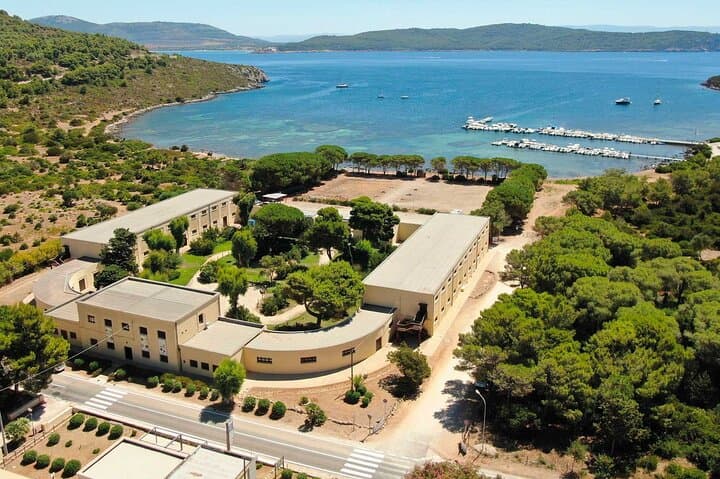
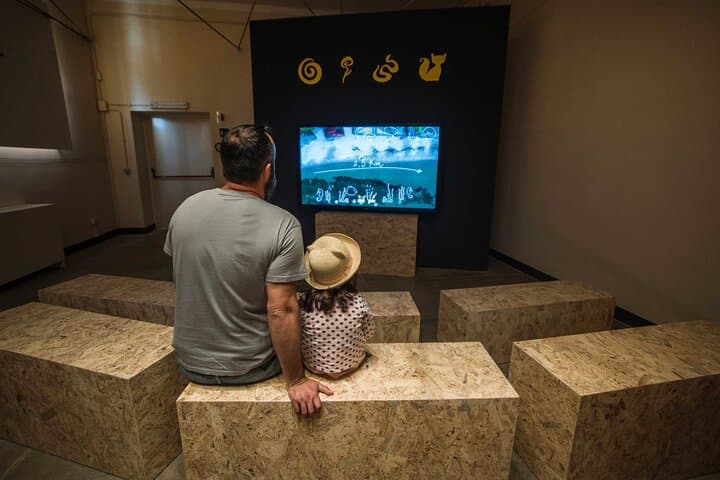
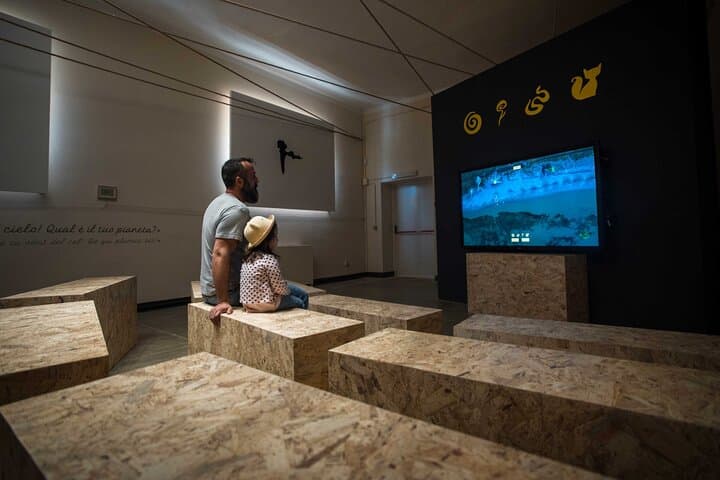
The ecomuseum format means guided routes visit five distinct sites—Casa Gioiosa, the Saint-Exupéry exhibit, M.A.P.S. at Punta Giglio, Le Prigionette, and the Roman villa of Sant'Imbenia—so bring a charged phone for tickets and prepare to trade hours of scenery for a layered sense of Sardinia’s coastal history.
easy.
6 hours.
Light-to-moderate fitness; able to walk on uneven ground and climb short steep sections.
Yes — the tour includes entrance tickets to the five ecomuseum sites listed in the itinerary.
The route is rated easy overall but includes short, steeper climbs to viewpoints; participants should be comfortable walking 2–6 km over varied terrain.
The experience is broadly family-friendly and described as suitable for all fitness levels, though those with severe mobility issues or spinal/heart conditions are advised against participation.
Information is typically available in Italian and English at key sites; check with the operator about guided commentary languages when booking.
The park preserves traces from Neolithic and Nuragic settlements through Roman estates and WWII installations, reflecting millennia of coastal occupation.
Porto Conte is a protected area—stay on marked paths, avoid disturbing nesting birds, and follow leave-no-trace principles to protect endemic plants and marine habitats.
Escursì - experience sardinia operates guided outdoor trips and adventures with an emphasis on safety, stewardship, and memorable experiences.
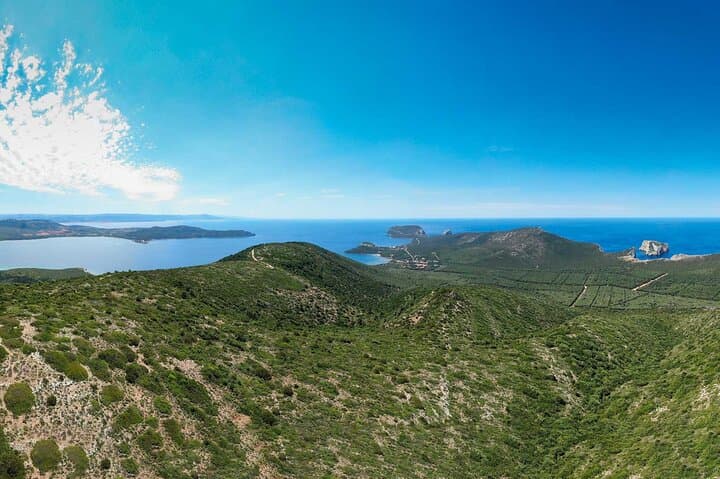
You step off the bus into a wind that smells of salt and rosemary, the limestone cliffs of Capo Caccia pressing like a raw sentence against the sky. Trails braid through pine and maquis, leading to belvederes where the Foradada island punctures the horizon. The park moves around you—shallow bays, rocky coves, and the low roar of surf shaping the coast.
You step off the bus into a wind that smells of salt and rosemary, the limestone cliffs of Capo Caccia pressing like a raw sentence against the sky. Trails braid through pine and maquis, leading to belvederes where the Foradada island punctures the horizon. The park moves around you—shallow bays, rocky coves, and the low roar of surf shaping the coast.
Porto Conte is part natural reserve, part open-air museum: archaeological remains from Neolithic and Nuragic times sit alongside a Roman villa and wartime relics. Geologically, the promontory is a carbonate platform pitted with sea caves and abrupt cliffs—Capo Caccia rises to roughly 200 meters above sea level—while the bay itself is a mosaic of sandy inlets and seagrass meadows. Cultural threads run from traditional shepherding and scrubland agriculture to the brief residency of Antoine de Saint-Exupéry, whose time here is remembered in a small museum.
Expect a full-day, 6‑hour exploration that mixes easy coastal walks with short, steeper sections to viewpoints. Paths are generally well marked; some trails suit bikes, others are best on foot. Wildlife is conspicuous—griffon vultures wheel on thermals and fallow deer ghost through pines. Practical planning matters: start early for softer light and fewer people, carry water and sun protection, and wear shoes with grip for limestone steps and uneven trails.
The ecomuseum format means guided routes visit five distinct sites—Casa Gioiosa, the Saint-Exupéry exhibit, M.A.P.S. at Punta Giglio, Le Prigionette, and the Roman villa of Sant'Imbenia—so bring a charged phone for tickets and prepare to trade hours of scenery for a layered sense of Sardinia’s coastal history.