THE ADVENTURE COLLECTIVE® · Independent discovery and booking for outdoor travel

Visit Plimoth Patuxet Museums to walk through a recreated 17th‑century English village, see a working grist mill, and stand beside the Mayflower at Plymouth Harbor. This one‑site visit combines living history, Indigenous perspectives, and hands‑on exhibits—plan 4–5 hours.
Visit Plimoth Patuxet Museums to walk through a recreated 17th‑century English village, see a working grist mill, and stand beside the Mayflower at Plymouth Harbor. This one‑site visit combines living history, Indigenous perspectives, and hands‑on exhibits—plan 4–5 hours.
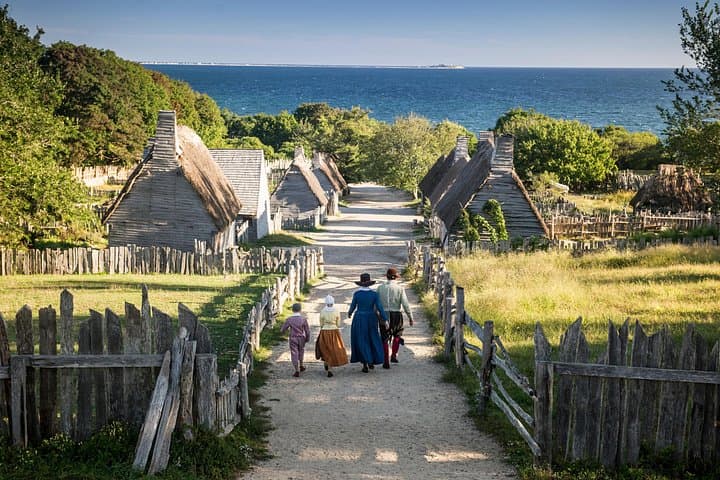
You step out of the Visitor Center into a place that insists on being felt — the crunch of packed earth underfoot, smoke drifting from a 17th‑century hearth, and the Town Brook pushing its clear current through Brewster Gardens as if to show the way forward.
Verified experiences and guided adventures in the surrounding area.
Operated by Plimoth Patuxet Museums · Plymouth, Massachusetts
You step out of the Visitor Center into a place that insists on being felt — the crunch of packed earth underfoot, smoke drifting from a 17th‑century hearth, and the Town Brook pushing its clear current through Brewster Gardens as if to show the way forward.
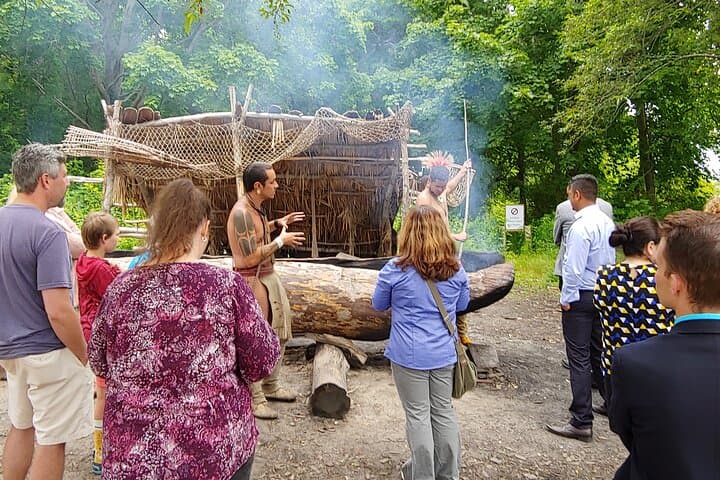
Plimoth Patuxet Museums recreates the early English settlement and the Historic Patuxet Homesite where Wampanoag people have lived for millennia. The site combines three visitor experiences: the immersive 17th‑Century English Village, the working Plimoth Grist Mill along Town Brook, and the Mayflower exhibit at Plymouth Harbor. Together they trace colonial beginnings, the Mayflower Compact’s role in political ideas, and the long continuity of Indigenous presence in southeastern New England.
Geology here is glacial in origin: low rolling drumlins, sandy soils, and the stream-lined channel of Town Brook that powered the mill. Culturally, the museum balances interpretive reenactment with contemporary Wampanoag voices; expect first‑person interpreters and curated exhibits that unpack contested histories.
Practical guidance: allow 4–5 hours to explore the main campus; the Grist Mill and Mayflower are short walks or a quick ride away. Wear sturdy shoes for uneven paths and bring layers — sea breezes off Plymouth Harbor can turn cool. Accessibility services include staff golf carts and wheelchair‑friendly routes, but some village surfaces are rustic. Buy tickets in advance to skip lines and plan whether to visit the Mayflower or Grist Mill the same day or separately. Hydrate, respect interpretive boundaries, and leave extra time to browse artisan shops and the cafe — they’re part of the story.
easy.
4–5 hours.
Should be comfortable standing and walking for several hours, able to navigate short sections of uneven ground.
Allocate 4–5 hours for the main campus; add time if you visit the Mayflower or Plimoth Grist Mill on a different day.
Yes — the site offers wheelchair‑friendly routes and a free staff‑operated golf cart service; some historic surfaces remain uneven.
Yes — tickets allow you to select a secondary day during the season for the Mayflower or Grist Mill; check your ticket type and hold on to admission slips.
Yes — the Henry Hornblower Visitor Center houses the Plentiful Cafe with modern and 17th‑century inspired choices; picnic areas and nearby downtown Plymouth options are also available.
Plimoth Patuxet interprets both the 1620 English settlement and the long-standing presence of the Wampanoag people who inhabited Patuxet for thousands of years before European arrival.
The museum practices conservation through landscape stewardship of Town Brook and educational programs that highlight ecology and sustainable milling practices.
Plimoth Patuxet Museums operates guided outdoor trips and adventures with an emphasis on safety, stewardship, and memorable experiences.


You step out of the Visitor Center into a place that insists on being felt — the crunch of packed earth underfoot, smoke drifting from a 17th‑century hearth, and the Town Brook pushing its clear current through Brewster Gardens as if to show the way forward.
You step out of the Visitor Center into a place that insists on being felt — the crunch of packed earth underfoot, smoke drifting from a 17th‑century hearth, and the Town Brook pushing its clear current through Brewster Gardens as if to show the way forward.
Plimoth Patuxet Museums recreates the early English settlement and the Historic Patuxet Homesite where Wampanoag people have lived for millennia. The site combines three visitor experiences: the immersive 17th‑Century English Village, the working Plimoth Grist Mill along Town Brook, and the Mayflower exhibit at Plymouth Harbor. Together they trace colonial beginnings, the Mayflower Compact’s role in political ideas, and the long continuity of Indigenous presence in southeastern New England.
Geology here is glacial in origin: low rolling drumlins, sandy soils, and the stream-lined channel of Town Brook that powered the mill. Culturally, the museum balances interpretive reenactment with contemporary Wampanoag voices; expect first‑person interpreters and curated exhibits that unpack contested histories.
Practical guidance: allow 4–5 hours to explore the main campus; the Grist Mill and Mayflower are short walks or a quick ride away. Wear sturdy shoes for uneven paths and bring layers — sea breezes off Plymouth Harbor can turn cool. Accessibility services include staff golf carts and wheelchair‑friendly routes, but some village surfaces are rustic. Buy tickets in advance to skip lines and plan whether to visit the Mayflower or Grist Mill the same day or separately. Hydrate, respect interpretive boundaries, and leave extra time to browse artisan shops and the cafe — they’re part of the story.