THE ADVENTURE COLLECTIVE® · Independent discovery and booking for outdoor travel

Step into Planet Exotica in Royan: greenhouses pulsing with tropical warmth, crocodiles and snakes on display, century-old bonsais and a Jurassic play zone. This compact zoological park blends botany, reptiles and family-friendly exhibits across accessible, stroller-friendly paths.
Step into Planet Exotica in Royan: greenhouses pulsing with tropical warmth, crocodiles and snakes on display, century-old bonsais and a Jurassic play zone. This compact zoological park blends botany, reptiles and family-friendly exhibits across accessible, stroller-friendly paths.
A humid greenhouse breathes warm air as you step inside Planet Exotica: the hiss of terrariums, the slow blink of crocodiles, and the distant clatter of children around life-size dinosaur models. The park spreads across manicured gardens and glasshouses where tropical humidity and arid displays sit side by side — a compact trip around the world's reptile habitats.
Verified experiences and guided adventures in the surrounding area.
Operated by Planet Exotica · Royan, Nouvelle-Aquitaine
A humid greenhouse breathes warm air as you step inside Planet Exotica: the hiss of terrariums, the slow blink of crocodiles, and the distant clatter of children around life-size dinosaur models. The park spreads across manicured gardens and glasshouses where tropical humidity and arid displays sit side by side — a compact trip around the world's reptile habitats.
Opened as a family-oriented zoological park near the Atlantic coast, Planet Exotica pairs botanical interest with live reptile collections and educational exhibits. Geologically, the park sits on the low limestone plains of Charente-Maritime; the flat terrain makes the site easy to navigate while the vegetation reflects both Atlantic influence and planted tropical microclimates. Culturally, the park leans into hands-on learning:bonsai collections and an 1,800-year-old olive tree anchor a quieter, Mediterranean note amid the more theatrical reptile displays.
Expect well-marked paths, greenhouse microclimates, interpretive plaques, a small petting area and a Jurassic-themed play zone for kids. Practicalities: purchase a mobile or paper ticket in advance to skip the onsite queues, allow two to three hours for a relaxed visit, and plan for indoor humidity in greenhouses.
Tips for timing — visit early in warm months to avoid crowds and to see active reptiles during cooler hours. Respect safety barriers; feeding and handling are restricted. Bring hydration and a lightweight layer for cooler, breezy exits. For families and naturalists alike, Planet Exotica offers a compact, accessible introduction to reptiles, exotic plants and a playful take on palaeontology.
easy.
2–3 hours.
Suitable for all fitness levels; mainly flat walking with some indoor humidity.
Tickets are mobile or paper and can be used for entry; while not strictly timed, arriving early reduces waiting during peak periods.
Yes — pathways, surfaces and many exhibits are wheelchair and stroller accessible; some greenhouse thresholds may have small ramps.
Only service animals are permitted; regular pets are not allowed inside the park.
The park has small snack options and picnic areas nearby, but bringing your own snacks is common for families; check opening-day offerings before you go.
Planet Exotica grew into a regional attraction by combining botanical collections with live reptile displays, reflecting a long local interest in horticulture and public education about exotic species.
The park emphasizes education on reptile conservation and plant preservation; visitors are asked to follow rules that minimize stress to animals and reduce littering to protect onsite habitats.
Planet Exotica operates guided outdoor trips and adventures with an emphasis on safety, stewardship, and memorable experiences.
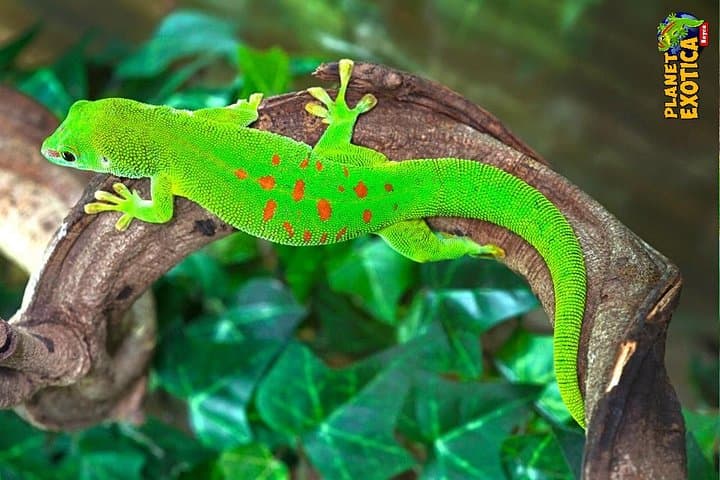
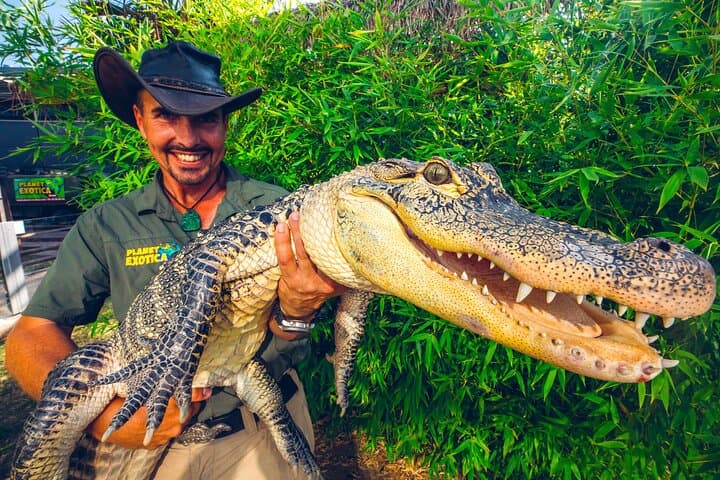

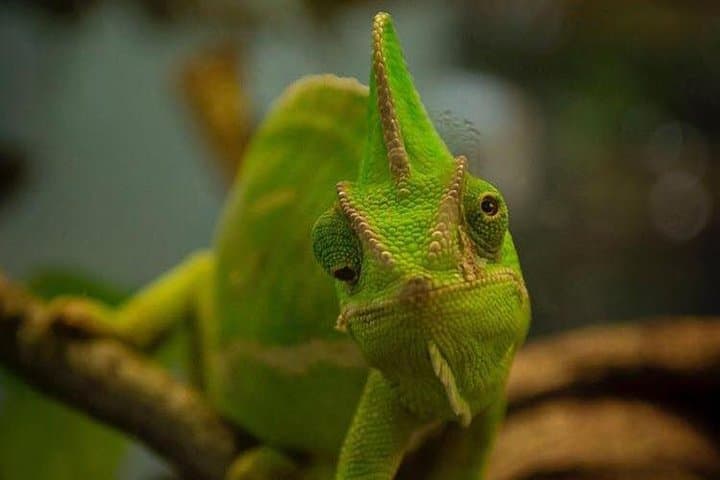
A humid greenhouse breathes warm air as you step inside Planet Exotica: the hiss of terrariums, the slow blink of crocodiles, and the distant clatter of children around life-size dinosaur models. The park spreads across manicured gardens and glasshouses where tropical humidity and arid displays sit side by side — a compact trip around the world's reptile habitats.
A humid greenhouse breathes warm air as you step inside Planet Exotica: the hiss of terrariums, the slow blink of crocodiles, and the distant clatter of children around life-size dinosaur models. The park spreads across manicured gardens and glasshouses where tropical humidity and arid displays sit side by side — a compact trip around the world's reptile habitats.
Opened as a family-oriented zoological park near the Atlantic coast, Planet Exotica pairs botanical interest with live reptile collections and educational exhibits. Geologically, the park sits on the low limestone plains of Charente-Maritime; the flat terrain makes the site easy to navigate while the vegetation reflects both Atlantic influence and planted tropical microclimates. Culturally, the park leans into hands-on learning:bonsai collections and an 1,800-year-old olive tree anchor a quieter, Mediterranean note amid the more theatrical reptile displays.
Expect well-marked paths, greenhouse microclimates, interpretive plaques, a small petting area and a Jurassic-themed play zone for kids. Practicalities: purchase a mobile or paper ticket in advance to skip the onsite queues, allow two to three hours for a relaxed visit, and plan for indoor humidity in greenhouses.
Tips for timing — visit early in warm months to avoid crowds and to see active reptiles during cooler hours. Respect safety barriers; feeding and handling are restricted. Bring hydration and a lightweight layer for cooler, breezy exits. For families and naturalists alike, Planet Exotica offers a compact, accessible introduction to reptiles, exotic plants and a playful take on palaeontology.