THE ADVENTURE COLLECTIVE® · Independent discovery and booking for outdoor travel

Spend a full day exploring Paradise Cave’s cathedral-like chambers and glide by dragon boat into Phong Nha Cave on the Son River. This guide covers what you’ll see, the geology and history behind the formations, and practical tips to prepare for the trek and boat ride.
Spend a full day exploring Paradise Cave’s cathedral-like chambers and glide by dragon boat into Phong Nha Cave on the Son River. This guide covers what you’ll see, the geology and history behind the formations, and practical tips to prepare for the trek and boat ride.
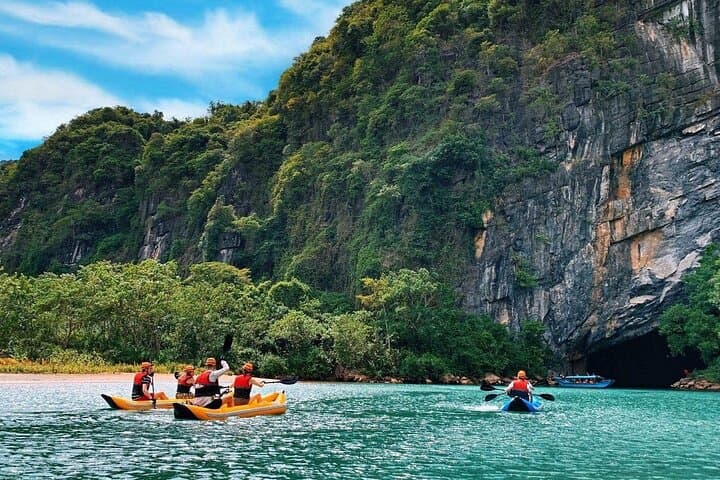
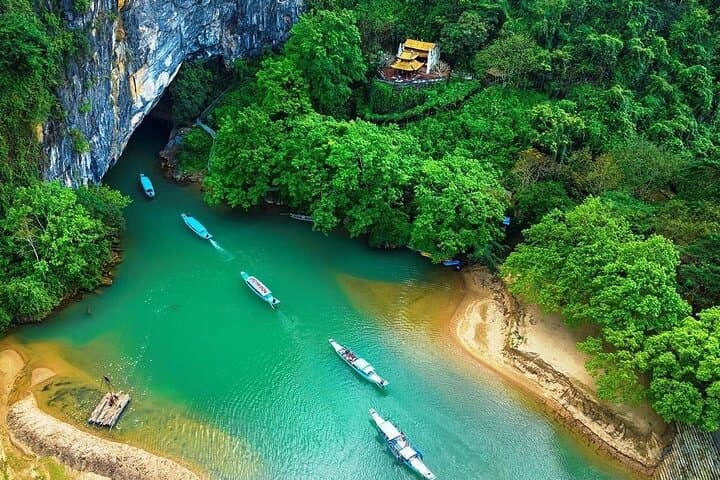
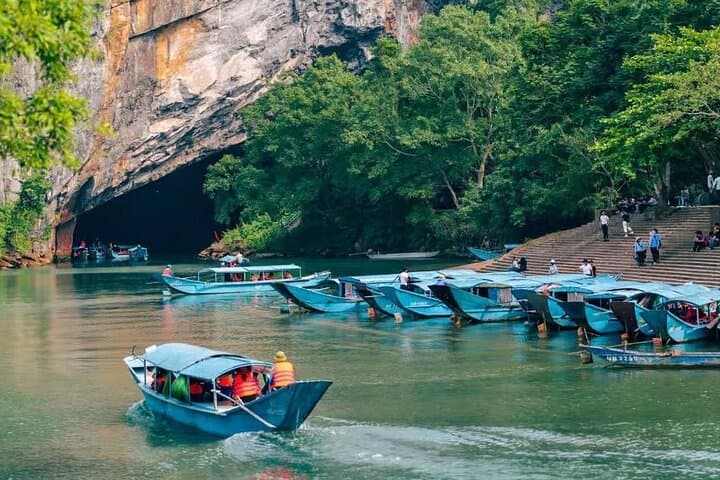
You step off the dragon boat into a cool hush; river mist clings to limestone cliffs that have been eroded into ribs and towers over millennia. The Son River pushes past you, daring you deeper into Phong Nha-Ke Bang National Park, where jungle gives way to a cavernous doorway and the air smells faintly of mineral and moss.
Verified experiences and guided adventures in the surrounding area.
Operated by Mekong Tourist · Phong Nha, Quang Binh
You step off the dragon boat into a cool hush; river mist clings to limestone cliffs that have been eroded into ribs and towers over millennia. The Son River pushes past you, daring you deeper into Phong Nha-Ke Bang National Park, where jungle gives way to a cavernous doorway and the air smells faintly of mineral and moss.
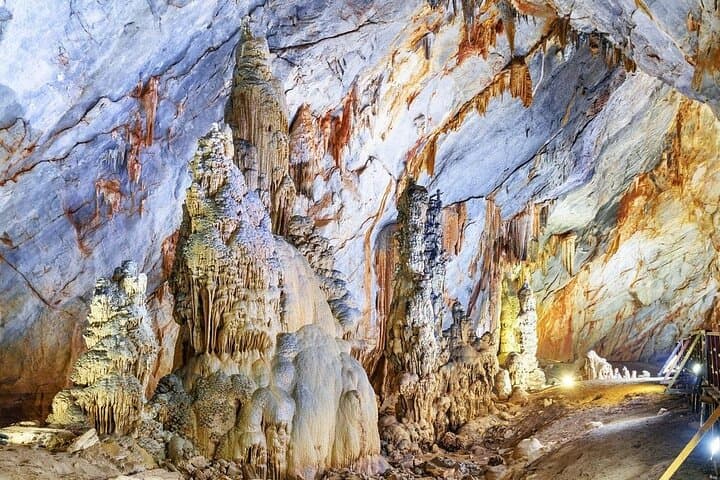
Paradise Cave (Hang Thien Duong) and nearby Phong Nha Cave are carved from karst limestone formed during the Paleozoic and Mesozoic eras. Local Cham and Vietnamese histories touch this landscape—ancient trails, wartime shelter, and sacred rock names appear in the formations. The caves’ wooden walkways and LED lighting reveal flower-like stalagmites, pillar columns, and vaults 40–60 meters high that read like geological chapters in stone.
Expect a balanced day: a scenic buggy ride through lowland jungle, a 1 km guided walk through Paradise Cave on wooden staircases, then a lunch break, followed by a 30-minute dragon-boat glide into Phong Nha Cave and a shorter 300 m on-foot exploration. The terrain inside is even but includes stairs and occasional damp surfaces; outside, short walks and transfer bumpy tracks are typical.
Practical edge: wear closed-toe shoes with grit-friendly soles, bring a light rain shell and refillable water bottle, and plan for humidity and stair climbing. Morning departures avoid afternoon showers in the wet season; allow time for travel between Dong Hoi and Phong Nha. Guides provide context—listen for geology notes and local lore—and leave no trace to protect these fragile formations.
moderate.
8–10 hours.
Moderate fitness—comfortable walking, stair climbing, and short boat transfers; able to walk up to 2 km with pauses.
Typical itineraries run 8–10 hours including hotel pickup from Dong Hoi or Phong Nha, cave visits, lunch, and boat transfers.
Both caves have installed lighting and walkways; families with children can usually join but should supervise near stairs and slippery sections.
No; the tour includes stairs, uneven surfaces, and boat boarding—travelers should have moderate mobility and no serious heart conditions.
Tours commonly include English-speaking guides knowledgeable about geology and local history; confirm language at booking.
Phong Nha-Ke Bang has been inhabited and traversed for centuries; caves served as refuge in wartime and contain Cham-era place names and folklore.
The park is a UNESCO World Heritage Site; visitors should stick to marked paths, avoid touching formations, and follow guide instructions to minimize impact.
Mekong Tourist operates guided outdoor trips and adventures with an emphasis on safety, stewardship, and memorable experiences.
You step off the dragon boat into a cool hush; river mist clings to limestone cliffs that have been eroded into ribs and towers over millennia. The Son River pushes past you, daring you deeper into Phong Nha-Ke Bang National Park, where jungle gives way to a cavernous doorway and the air smells faintly of mineral and moss.
You step off the dragon boat into a cool hush; river mist clings to limestone cliffs that have been eroded into ribs and towers over millennia. The Son River pushes past you, daring you deeper into Phong Nha-Ke Bang National Park, where jungle gives way to a cavernous doorway and the air smells faintly of mineral and moss.
Paradise Cave (Hang Thien Duong) and nearby Phong Nha Cave are carved from karst limestone formed during the Paleozoic and Mesozoic eras. Local Cham and Vietnamese histories touch this landscape—ancient trails, wartime shelter, and sacred rock names appear in the formations. The caves’ wooden walkways and LED lighting reveal flower-like stalagmites, pillar columns, and vaults 40–60 meters high that read like geological chapters in stone.
Expect a balanced day: a scenic buggy ride through lowland jungle, a 1 km guided walk through Paradise Cave on wooden staircases, then a lunch break, followed by a 30-minute dragon-boat glide into Phong Nha Cave and a shorter 300 m on-foot exploration. The terrain inside is even but includes stairs and occasional damp surfaces; outside, short walks and transfer bumpy tracks are typical.
Practical edge: wear closed-toe shoes with grit-friendly soles, bring a light rain shell and refillable water bottle, and plan for humidity and stair climbing. Morning departures avoid afternoon showers in the wet season; allow time for travel between Dong Hoi and Phong Nha. Guides provide context—listen for geology notes and local lore—and leave no trace to protect these fragile formations.