THE ADVENTURE COLLECTIVE® · Independent discovery and booking for outdoor travel

A practical, full-day exploration of the Sacred Valley that links Chinchero, Moray, Maras and Ollantaytambo. Expect terraces, salt pans, living markets and short walks at high altitude—ideal for travelers seeking history and landscape without multi-day trekking.
A practical, full-day exploration of the Sacred Valley that links Chinchero, Moray, Maras and Ollantaytambo. Expect terraces, salt pans, living markets and short walks at high altitude—ideal for travelers seeking history and landscape without multi-day trekking.
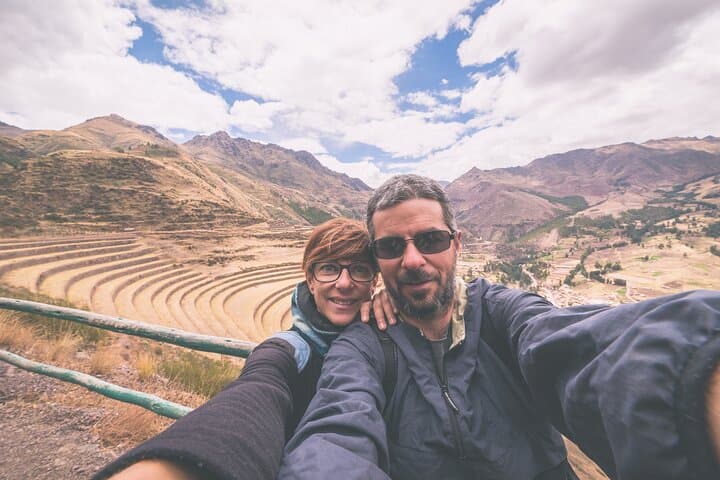
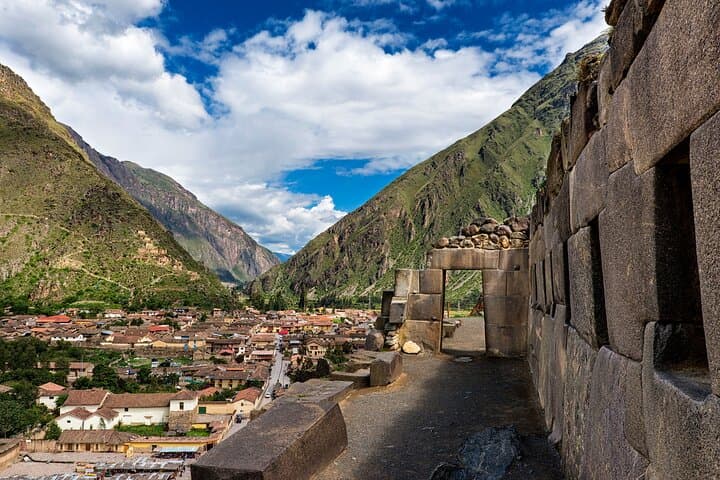
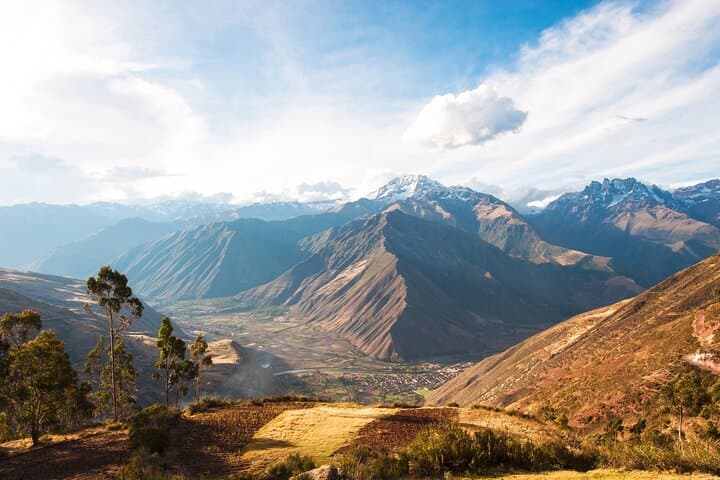
You step from a vehicle and the high Andean air presses bright against your cheeks — terraced hills roll away, stone stairways cut into the mountain, and the valley opens like a corridor between peaks. The Sacred Valley moves: rivers daring you to follow their course, terraced amphitheaters that still catch wind and sun differently on each level.
Verified experiences and guided adventures in the surrounding area.
Operated by Opatrip.com Peru · Ollantaytambo, Cusco
You step from a vehicle and the high Andean air presses bright against your cheeks — terraced hills roll away, stone stairways cut into the mountain, and the valley opens like a corridor between peaks. The Sacred Valley moves: rivers daring you to follow their course, terraced amphitheaters that still catch wind and sun differently on each level.
This full-day loop threads together key Inca sites and living communities. Chinchero’s market and colonial church sit on Inca foundations; Moray’s concentric agricultural depressions reveal a sophisticated thermal gradient experiment; Maras’ salt pans glitter on a slope carved long before the Spanish; Ollantaytambo’s fortress and streets remain a working example of Inca urban planning. Geologically, the valley is a fluvial corridor carved between Andean ridgelines, creating microclimates that the Incas manipulated through terrace engineering.
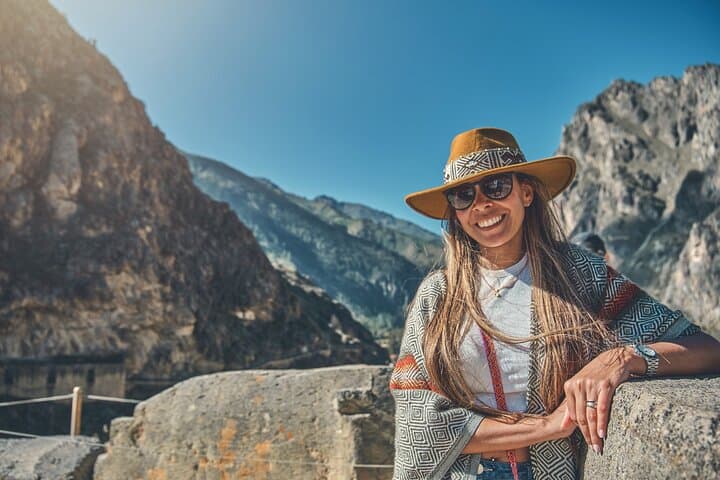
Culturally, expect textiles handloomed in traditional patterns, market bargaining, and millennia-old irrigation logic visible in small canals and terraces. Local guides explain agricultural calendars and the role of irrigation in community life.
Practical guidance: the day runs about 12 hours with multiple short walks on uneven stone at altitude (3,000–3,400 m). Hydrate and move deliberately — the sun is strong and elevation amplifies effort. Carry small bills for market purchases and tipping. Wear sturdy shoes with good grip for cobbled streets and terrace steps; a lightweight layer system handles sun, wind, and the possibility of afternoon showers during the wet season. Tours typically include entrance fees for the main sites and vehicle transfers, making this an efficient, culturally rich introduction to the Sacred Valley’s engineering and living traditions.
easy.
12 hours.
Suitable for most fitness levels; requires comfortable walking on uneven surfaces and ability to handle moderate altitude.
Most organized tours include entrance to Pisac, Ollantaytambo, Moray, Maras and Chinchero; confirm at booking for any variations.
Sites lie roughly between 2,800–3,400 m; many visitors feel mild symptoms—headache or shortness of breath—so acclimatize and hydrate.
The tour is suitable for families and those with basic mobility, but expect uneven ground and short stair climbs at ruins that may be challenging for limited-mobility travelers.
Local guides commonly speak Spanish and English; private tours often offer multilingual guides on request—check when you book.
The Sacred Valley was central to Inca agriculture and administration; sites like Ollantaytambo served both military and ceremonial roles during the Inca Empire.
Visitor pressure is managed through controlled access and entrance fees which support site maintenance; stick to marked paths to protect fragile terraces and archaeological features.
Opatrip.com Peru operates guided outdoor trips and adventures with an emphasis on safety, stewardship, and memorable experiences.
You step from a vehicle and the high Andean air presses bright against your cheeks — terraced hills roll away, stone stairways cut into the mountain, and the valley opens like a corridor between peaks. The Sacred Valley moves: rivers daring you to follow their course, terraced amphitheaters that still catch wind and sun differently on each level.
You step from a vehicle and the high Andean air presses bright against your cheeks — terraced hills roll away, stone stairways cut into the mountain, and the valley opens like a corridor between peaks. The Sacred Valley moves: rivers daring you to follow their course, terraced amphitheaters that still catch wind and sun differently on each level.
This full-day loop threads together key Inca sites and living communities. Chinchero’s market and colonial church sit on Inca foundations; Moray’s concentric agricultural depressions reveal a sophisticated thermal gradient experiment; Maras’ salt pans glitter on a slope carved long before the Spanish; Ollantaytambo’s fortress and streets remain a working example of Inca urban planning. Geologically, the valley is a fluvial corridor carved between Andean ridgelines, creating microclimates that the Incas manipulated through terrace engineering.
Culturally, expect textiles handloomed in traditional patterns, market bargaining, and millennia-old irrigation logic visible in small canals and terraces. Local guides explain agricultural calendars and the role of irrigation in community life.
Practical guidance: the day runs about 12 hours with multiple short walks on uneven stone at altitude (3,000–3,400 m). Hydrate and move deliberately — the sun is strong and elevation amplifies effort. Carry small bills for market purchases and tipping. Wear sturdy shoes with good grip for cobbled streets and terrace steps; a lightweight layer system handles sun, wind, and the possibility of afternoon showers during the wet season. Tours typically include entrance fees for the main sites and vehicle transfers, making this an efficient, culturally rich introduction to the Sacred Valley’s engineering and living traditions.