THE ADVENTURE COLLECTIVE® · Independent discovery and booking for outdoor travel

Short, accessible tour through Pernes’ waterfalls, viewpoints and woodcraft traditions—perfect for a half-day visit. Expect cobbled lanes, tufa-carved falls and a beloved local pastry.
Short, accessible tour through Pernes’ waterfalls, viewpoints and woodcraft traditions—perfect for a half-day visit. Expect cobbled lanes, tufa-carved falls and a beloved local pastry.
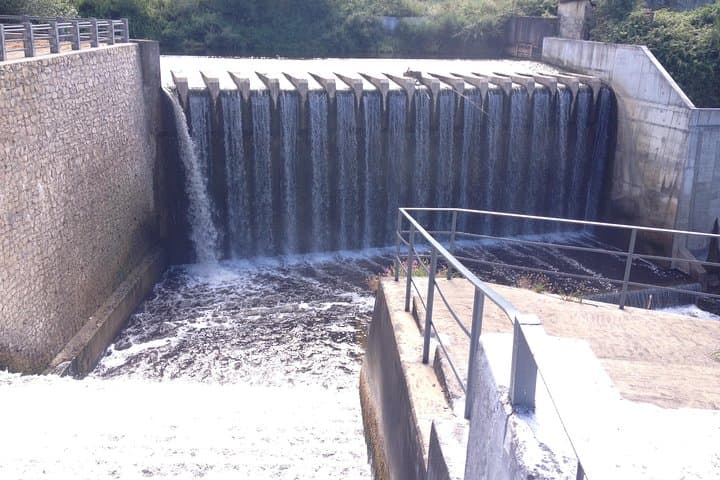
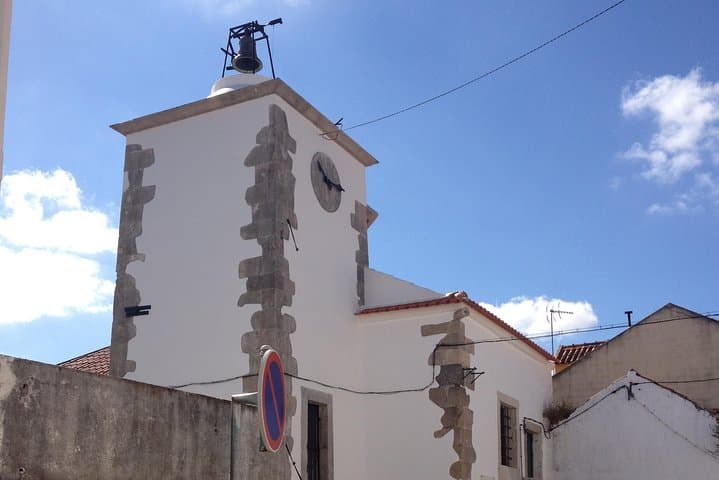
The granite road into Pernes opens like a page: whitewashed houses step down toward the river, a clock tower keeps a slow, public time, and the Mouchão Waterfalls roar just beyond town, daring you to step closer. In 90–120 minutes this compact field trip moves briskly—short viewpoints, an iron bridge with Eiffel-family engineering, and the narrow lanes where woodturners still carve bowls by hand.
Verified experiences and guided adventures in the surrounding area.
Operated by Seven Domains · Pernes, Santarém
The granite road into Pernes opens like a page: whitewashed houses step down toward the river, a clock tower keeps a slow, public time, and the Mouchão Waterfalls roar just beyond town, daring you to step closer. In 90–120 minutes this compact field trip moves briskly—short viewpoints, an iron bridge with Eiffel-family engineering, and the narrow lanes where woodturners still carve bowls by hand.
Pernes sits on human routes older than modern Portugal. Romans left aqueduct lines; medieval pilgrims and Templars threaded these hills; local poets and explorers link the village to national stories. Geologically, the edges of the limestone Alviela valley create abrupt cliffs and tufa deposits that feed cascades and green pools; those deposits explain why the waterfall keeps changing its shape with each wet winter.
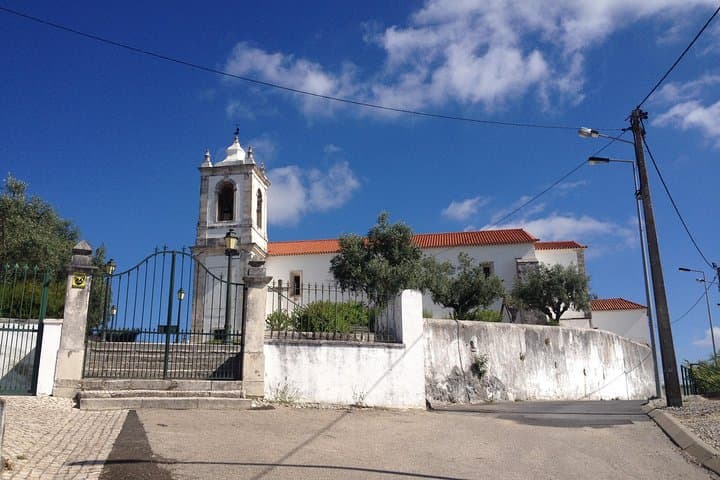
Culturally, Pernes trades in edible memory: the Pastel de Santo António is a local snack not found elsewhere, and the wood-turning shops sell utilitarian souvenirs that double as craft study. Walk to the Tufeira and Pena viewpoints for readouts of the valley and the old iron bridge, then cross to the Church of Mercy for a slice of parish life.
Practical guidance: wear sturdy walking shoes—the village streets are cobbled and can be slick near the falls. The route is family-friendly and wheelchair-accessible in most stops, but some viewpoints have steps. Bring water, a light layer against river spray, and cash for pastries and wooden goods. Aim for morning or late afternoon light for photos and cooler temperatures; midday is busiest. Respect private yards and follow local signage around the waterfalls—streams can be powerful after rain.
easy.
1.5–2 hours.
Suitable for most fitness levels—short, mostly flat walks with some steps at viewpoints.
Most main stops and viewpoints are wheelchair-accessible, but some older lanes and specific viewpoints have steps—check with the operator for detailed accessibility routing.
The itinerary notes a local snack (Pastel de Santo António) is included; additional food and drinks are available to buy in town.
The experience runs about 90–120 minutes, covering key viewpoints, the waterfall, the clock tower and local woodcraft demonstrations.
Yes—local wood-turning workshops and stalls sell utensils and small pieces; purchases support traditional crafts and are ideal for gifts.
Pernes has Roman-era infrastructure and medieval ties to Templar routes; its clock tower and iron bridge reflect layered transport and trade history.
Local conservation focuses on protecting riverine habitats and tufa formations; visitors should stay on marked paths to avoid disturbing fragile limestone deposits and plant life.
Seven Domains operates guided outdoor trips and adventures with an emphasis on safety, stewardship, and memorable experiences.
The granite road into Pernes opens like a page: whitewashed houses step down toward the river, a clock tower keeps a slow, public time, and the Mouchão Waterfalls roar just beyond town, daring you to step closer. In 90–120 minutes this compact field trip moves briskly—short viewpoints, an iron bridge with Eiffel-family engineering, and the narrow lanes where woodturners still carve bowls by hand.
The granite road into Pernes opens like a page: whitewashed houses step down toward the river, a clock tower keeps a slow, public time, and the Mouchão Waterfalls roar just beyond town, daring you to step closer. In 90–120 minutes this compact field trip moves briskly—short viewpoints, an iron bridge with Eiffel-family engineering, and the narrow lanes where woodturners still carve bowls by hand.
Pernes sits on human routes older than modern Portugal. Romans left aqueduct lines; medieval pilgrims and Templars threaded these hills; local poets and explorers link the village to national stories. Geologically, the edges of the limestone Alviela valley create abrupt cliffs and tufa deposits that feed cascades and green pools; those deposits explain why the waterfall keeps changing its shape with each wet winter.
Culturally, Pernes trades in edible memory: the Pastel de Santo António is a local snack not found elsewhere, and the wood-turning shops sell utilitarian souvenirs that double as craft study. Walk to the Tufeira and Pena viewpoints for readouts of the valley and the old iron bridge, then cross to the Church of Mercy for a slice of parish life.
Practical guidance: wear sturdy walking shoes—the village streets are cobbled and can be slick near the falls. The route is family-friendly and wheelchair-accessible in most stops, but some viewpoints have steps. Bring water, a light layer against river spray, and cash for pastries and wooden goods. Aim for morning or late afternoon light for photos and cooler temperatures; midday is busiest. Respect private yards and follow local signage around the waterfalls—streams can be powerful after rain.