THE ADVENTURE COLLECTIVE® · Independent discovery and booking for outdoor travel

Walk two of the Kathmandu Valley’s most revered Durbar Squares in a single half-day—Patan’s fine stone temples and Bhaktapur’s medieval courtyards—guided by a local expert with hotel pickup and a packed lunch included.
Walk two of the Kathmandu Valley’s most revered Durbar Squares in a single half-day—Patan’s fine stone temples and Bhaktapur’s medieval courtyards—guided by a local expert with hotel pickup and a packed lunch included.
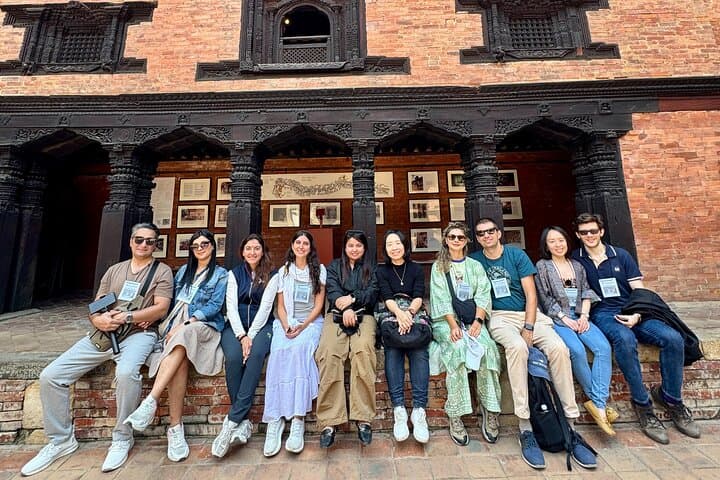
You step from traffic into a courtyard that opens like a living museum: carved wooden windows lean into light, temple bells punctuate conversation, and the scent of incense and frying chai threads through narrow alleys.
Verified experiences and guided adventures in the surrounding area.
Operated by Luxury Holidays Nepal Pvt. Ltd. · Kathmandu, Bagmati Province
You step from traffic into a courtyard that opens like a living museum: carved wooden windows lean into light, temple bells punctuate conversation, and the scent of incense and frying chai threads through narrow alleys.
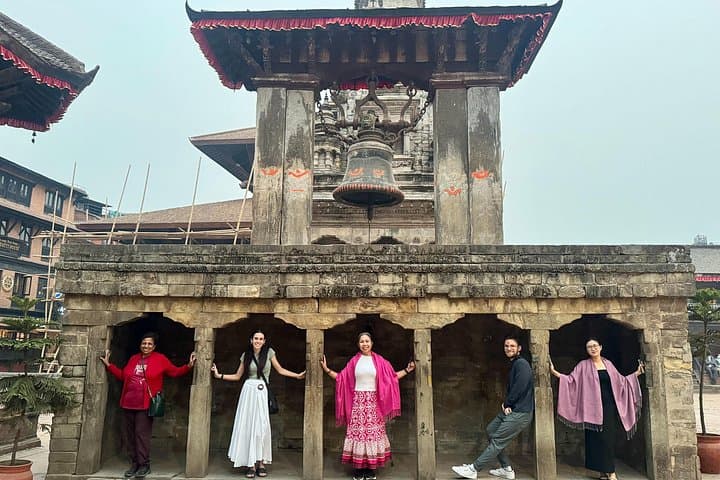
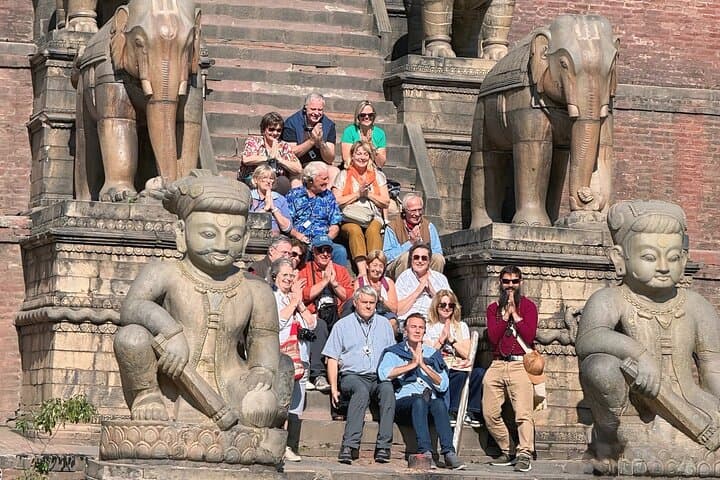
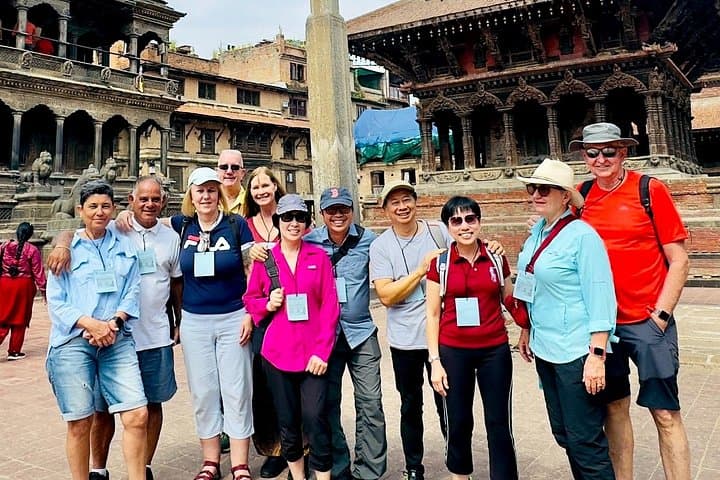
This half-day tour threads two of the Kathmandu Valley’s oldest royal plazas—Patan (Lalitpur) and Bhaktapur—where Newari architecture and craft traditions remain active. Patan’s Krishna Mandir and Hiranya Varna Mahavihar reveal classical Malla-era stonework and Buddhist shrines; Bhaktapur’s 55-Window Palace and Nyatapola Temple tower above cobbled lanes and Pottery Square, where hands still turn clay as they have for centuries.
Geologically the valley is a bowl of riverine and lacustrine deposits—soft ground that shaped compact, walkable towns and dense urban forms. Culturally, the area reflects centuries of Hindu and Buddhist syncretism, Newar guilds, and artisanal trades that survived earthquakes and modern change.
Practically: expect 4–5 hours of mostly flat walking on cobbles and stone steps with pauses for explanation and photos. The tour includes hotel pickup/drop-off, an English-speaking guide, air-conditioned transport, and a lunch box; museum or temple entry fees are typically extra. Bring good walking shoes for uneven surfaces, sun protection, and modest clothing for religious sites. Carry small change for artisans, and plan your timing—early mornings are cooler and less crowded, late afternoons offer warm light on temple faces.
This itinerary is ideal for travelers who want concentrated cultural immersion without a long trek—rich on history, tangible craft traditions, and compact urban exploration.
easy.
4–5 hours.
Light walking ability for flat but uneven cobblestone streets; suitable for most fitness levels
Most temple and palace entry fees are not included; bring local currency for any admissions or optional museums.
Yes—this tour is gentle and suitable for a wide range of ages, though mobility issues on uneven stone may require assistance.
Expect several short walking segments inside the squares and between sites—mostly flat but with cobbles and occasional steps over roughly 1–3 km total walking.
Both options are available; private tours give more flexibility for pacing and photo stops.
Both Patan and Bhaktapur grew under the Malla kings (12th–18th centuries) and are centers of Newar art, religion, and guild traditions that shaped Kathmandu Valley culture.
Ongoing conservation focuses on earthquake-resistant restoration and preserving living artisan practices; visitors help by following site rules and supporting local workshops.
Luxury Holidays Nepal Pvt. Ltd. operates guided outdoor trips and adventures with an emphasis on safety, stewardship, and memorable experiences.
You step from traffic into a courtyard that opens like a living museum: carved wooden windows lean into light, temple bells punctuate conversation, and the scent of incense and frying chai threads through narrow alleys.
You step from traffic into a courtyard that opens like a living museum: carved wooden windows lean into light, temple bells punctuate conversation, and the scent of incense and frying chai threads through narrow alleys.
This half-day tour threads two of the Kathmandu Valley’s oldest royal plazas—Patan (Lalitpur) and Bhaktapur—where Newari architecture and craft traditions remain active. Patan’s Krishna Mandir and Hiranya Varna Mahavihar reveal classical Malla-era stonework and Buddhist shrines; Bhaktapur’s 55-Window Palace and Nyatapola Temple tower above cobbled lanes and Pottery Square, where hands still turn clay as they have for centuries.
Geologically the valley is a bowl of riverine and lacustrine deposits—soft ground that shaped compact, walkable towns and dense urban forms. Culturally, the area reflects centuries of Hindu and Buddhist syncretism, Newar guilds, and artisanal trades that survived earthquakes and modern change.
Practically: expect 4–5 hours of mostly flat walking on cobbles and stone steps with pauses for explanation and photos. The tour includes hotel pickup/drop-off, an English-speaking guide, air-conditioned transport, and a lunch box; museum or temple entry fees are typically extra. Bring good walking shoes for uneven surfaces, sun protection, and modest clothing for religious sites. Carry small change for artisans, and plan your timing—early mornings are cooler and less crowded, late afternoons offer warm light on temple faces.
This itinerary is ideal for travelers who want concentrated cultural immersion without a long trek—rich on history, tangible craft traditions, and compact urban exploration.