THE ADVENTURE COLLECTIVE® · Independent discovery and booking for outdoor travel

Wander the alleys of Saint-Ouen’s famed flea market with a private guide who uncovers its history, best stalls and buying tips. This 2–3 hour walk helps you find authentic antiques, vintage design and lesser-known corners only locals frequent.
Wander the alleys of Saint-Ouen’s famed flea market with a private guide who uncovers its history, best stalls and buying tips. This 2–3 hour walk helps you find authentic antiques, vintage design and lesser-known corners only locals frequent.
You step off the metro into a thrum of voices and canvas awnings; alleys spill into courtyards where metal trunks, gilt frames and stacks of vinyl elbow for space. The market dares you to slow down—each stall a room-sized curiosity calling for inspection.
Verified experiences and guided adventures in the surrounding area.
Operated by Tour Up in Europe · Saint-Ouen-sur-Seine, Île-de-France
You step off the metro into a thrum of voices and canvas awnings; alleys spill into courtyards where metal trunks, gilt frames and stacks of vinyl elbow for space. The market dares you to slow down—each stall a room-sized curiosity calling for inspection.
The Marché aux Puces at Saint-Ouen grew from late-19th-century rag-and-bone trading into the world’s most famous flea market, its lanes shaped by generations of dealers and immigrant artisans. Geologically, the market sits on the alluvial plains north of Paris, where flat streets make for an easy, sprawling walk; culturally it’s as Parisian as bistros and ateliers, a place where designers and collectors converge. Expect a mix of restored 1950s lamps, raw industrial salvage, fine antiques and mid-century furniture tagged with provenance and personality.
A private guide helps you parse authenticity, narrates corners where postwar dealers reshaped taste, and steers you to quieter arcades—Paul Bert and Dauphine—for high-end finds. Practicalities matter: the market is large and busy; stalls open mainly on weekends and Monday, and respectful haggling is part of the ritual. Wear comfortable shoes for uneven cobbles, carry a small bag for purchases, and bring a phone charger—good discoveries demand documentation.
Whether you’re hunting a single statement piece or savoring the social history threaded through the wares, a tailored walking tour turns aimless browsing into efficient treasure hunting. Finish with a café stop to catalog receipts and plan shipping for bulky finds.
easy.
2–3 hours.
Light walking ability; suitable for most fitness levels but involves standing and navigating crowds for up to three hours
Most antiques and collectors’ stalls are busiest on Saturday, Sunday and Monday; exact hours vary by section and stall.
Yes—polite negotiation is expected for many items; for high-end dealers, prices may be fixed, so read the stall’s tone first.
You can buy larger items but shipping is common; many dealers can recommend packers and shippers for international transport.
Yes—several passages are stroller- and wheelchair-accessible, but cobbles and crowds may require assistance in busier sections.
What began as itinerant traders and rag-and-bone sellers in the late 1800s evolved into organized markets by the early 20th century, attracting collectors worldwide.
Respect sellers and avoid purchasing items made from protected species; take litter with you and use local packing services to reduce repeated trips.
Tour Up in Europe operates guided outdoor trips and adventures with an emphasis on safety, stewardship, and memorable experiences.

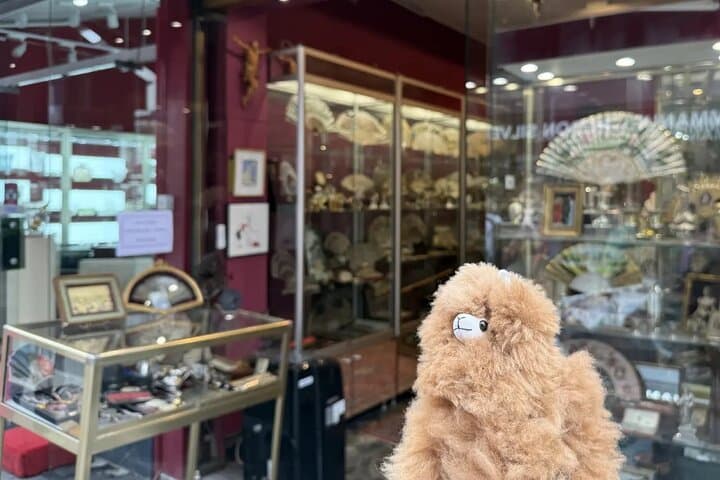

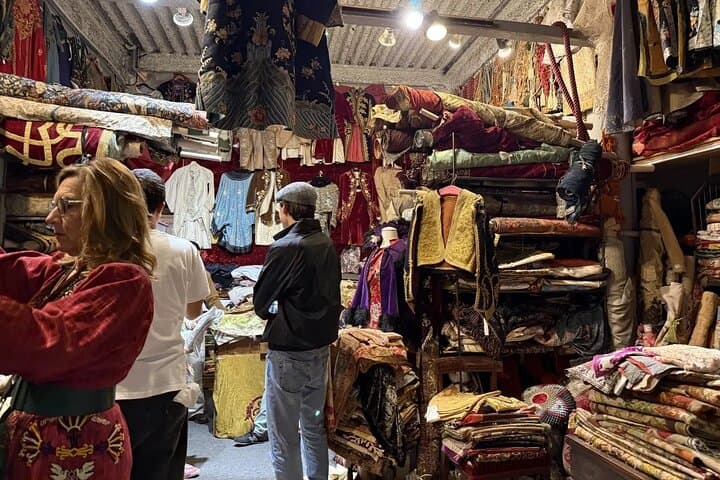
You step off the metro into a thrum of voices and canvas awnings; alleys spill into courtyards where metal trunks, gilt frames and stacks of vinyl elbow for space. The market dares you to slow down—each stall a room-sized curiosity calling for inspection.
You step off the metro into a thrum of voices and canvas awnings; alleys spill into courtyards where metal trunks, gilt frames and stacks of vinyl elbow for space. The market dares you to slow down—each stall a room-sized curiosity calling for inspection.
The Marché aux Puces at Saint-Ouen grew from late-19th-century rag-and-bone trading into the world’s most famous flea market, its lanes shaped by generations of dealers and immigrant artisans. Geologically, the market sits on the alluvial plains north of Paris, where flat streets make for an easy, sprawling walk; culturally it’s as Parisian as bistros and ateliers, a place where designers and collectors converge. Expect a mix of restored 1950s lamps, raw industrial salvage, fine antiques and mid-century furniture tagged with provenance and personality.
A private guide helps you parse authenticity, narrates corners where postwar dealers reshaped taste, and steers you to quieter arcades—Paul Bert and Dauphine—for high-end finds. Practicalities matter: the market is large and busy; stalls open mainly on weekends and Monday, and respectful haggling is part of the ritual. Wear comfortable shoes for uneven cobbles, carry a small bag for purchases, and bring a phone charger—good discoveries demand documentation.
Whether you’re hunting a single statement piece or savoring the social history threaded through the wares, a tailored walking tour turns aimless browsing into efficient treasure hunting. Finish with a café stop to catalog receipts and plan shipping for bulky finds.