THE ADVENTURE COLLECTIVE® · Independent discovery and booking for outdoor travel

Move beyond postcard views and learn the stories carved into the Luxembourg Gardens on a two-hour small-group walk. Limited to eight people, the tour blends garden history, sculpture, and practical local tips for an intimate Parisian green-space experience.
Move beyond postcard views and learn the stories carved into the Luxembourg Gardens on a two-hour small-group walk. Limited to eight people, the tour blends garden history, sculpture, and practical local tips for an intimate Parisian green-space experience.
You enter through a wrought-iron gate and the city noise thins to a steady hum as plane trees take you under their shade. The gravel paths of the Luxembourg Gardens guide you past clipped hedgerows, marble statues, and a wide octagonal pond where model boats dart and dare you to linger. A small group—never more than eight—moves at an unhurried pace, letting the guide point out the Medici Fountain’s carved figures and the subtle layout borrowed from Italianate garden design.
Verified experiences and guided adventures in the surrounding area.
Operated by Meeting the French · Paris, Île-de-France
You enter through a wrought-iron gate and the city noise thins to a steady hum as plane trees take you under their shade. The gravel paths of the Luxembourg Gardens guide you past clipped hedgerows, marble statues, and a wide octagonal pond where model boats dart and dare you to linger. A small group—never more than eight—moves at an unhurried pace, letting the guide point out the Medici Fountain’s carved figures and the subtle layout borrowed from Italianate garden design.
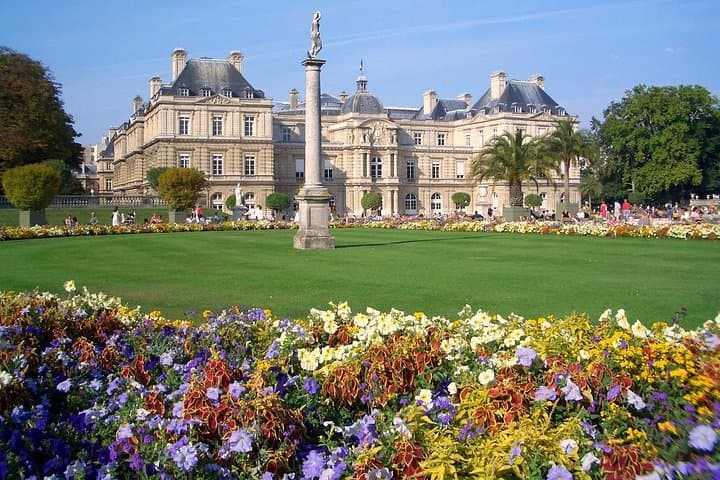
Commissioned in 1612 by Marie de' Medici, the park transformed a private royal estate into a public civic space that shaped the 6th arrondissement’s social life. The gardens blend French formal beds, English-style groves, and sculptural portraiture of France’s leaders; the Luxembourg Palace itself later housed the French Senate.
Geology here is subtle: compacted urban soils support magnolia beds and ancient plane trees whose roots lift the paving in places, creating an easy but uneven surface. Culturally, the gardens are a crossroads—students, senators, chess players and parents share the lawns and bandstands.
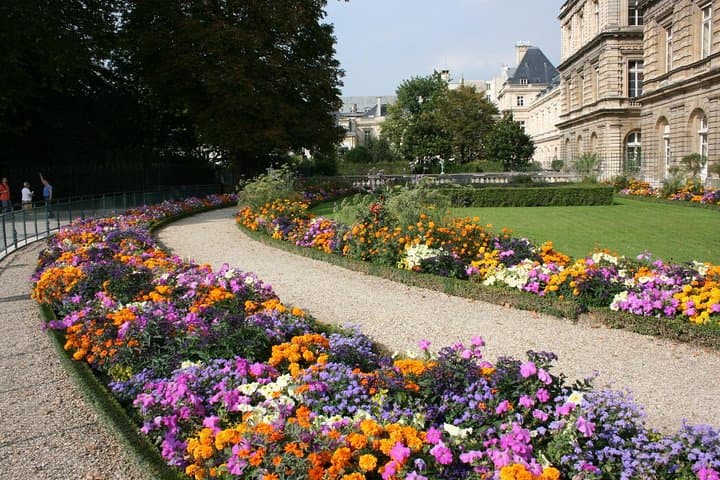
Practical guidance: the tour is two hours on mostly flat gravel and paved paths, suitable for most walkers. Bring water and comfortable shoes; spring brings thousands of tulips, summer fills the rose beds, autumn lenses the light golden, and winter reveals the park’s structure without its color. Public transport access is excellent, and the group size keeps the experience intimate while allowing time for questions and photos.
easy.
2 hours.
Suitable for most fitness levels; requires standing and walking for two hours on mostly flat terrain.
The meeting point is at the designated Luxembourg Gardens entrance listed on your voucher—arrive 10 minutes early to find the guide and avoid delaying the small group.
Yes—children aged six and older are welcome; the pace is relaxed but younger kids may tire during two hours of walking.
Public restrooms are located inside the gardens and at nearby cafés; your guide can point them out when needed.
Much of the route is on paved paths suitable for wheelchairs and strollers, but some gravel sections and root-lifted paving can be uneven—contact the operator to confirm accommodations.
Built for Marie de' Medici in 1612, the gardens once surrounded a private palace; the Luxembourg Palace later became home to the French Senate, anchoring the park in national politics.
As a managed urban green space, the gardens follow strict planting and maintenance practices—stay on paths, don’t pick flowers, and dispose of waste to support ongoing conservation.
Meeting the French operates guided outdoor trips and adventures with an emphasis on safety, stewardship, and memorable experiences.
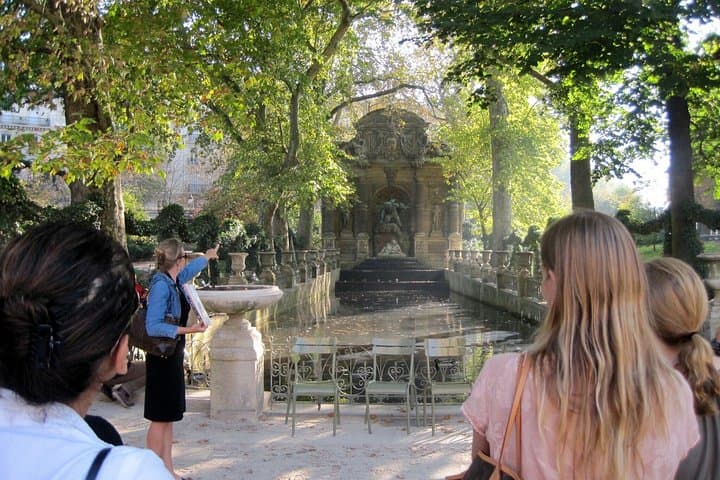
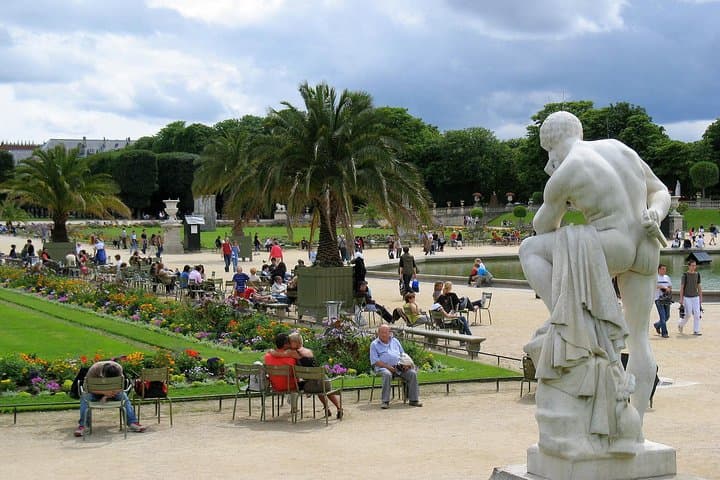
You enter through a wrought-iron gate and the city noise thins to a steady hum as plane trees take you under their shade. The gravel paths of the Luxembourg Gardens guide you past clipped hedgerows, marble statues, and a wide octagonal pond where model boats dart and dare you to linger. A small group—never more than eight—moves at an unhurried pace, letting the guide point out the Medici Fountain’s carved figures and the subtle layout borrowed from Italianate garden design.
You enter through a wrought-iron gate and the city noise thins to a steady hum as plane trees take you under their shade. The gravel paths of the Luxembourg Gardens guide you past clipped hedgerows, marble statues, and a wide octagonal pond where model boats dart and dare you to linger. A small group—never more than eight—moves at an unhurried pace, letting the guide point out the Medici Fountain’s carved figures and the subtle layout borrowed from Italianate garden design.
Commissioned in 1612 by Marie de' Medici, the park transformed a private royal estate into a public civic space that shaped the 6th arrondissement’s social life. The gardens blend French formal beds, English-style groves, and sculptural portraiture of France’s leaders; the Luxembourg Palace itself later housed the French Senate.
Geology here is subtle: compacted urban soils support magnolia beds and ancient plane trees whose roots lift the paving in places, creating an easy but uneven surface. Culturally, the gardens are a crossroads—students, senators, chess players and parents share the lawns and bandstands.
Practical guidance: the tour is two hours on mostly flat gravel and paved paths, suitable for most walkers. Bring water and comfortable shoes; spring brings thousands of tulips, summer fills the rose beds, autumn lenses the light golden, and winter reveals the park’s structure without its color. Public transport access is excellent, and the group size keeps the experience intimate while allowing time for questions and photos.