THE ADVENTURE COLLECTIVE® · Independent discovery and booking for outdoor travel

See Paris at human speed: glide along the Seine, thread the Marais, and roll past the Eiffel Tower on a rented city bike. This practical guide explains what to expect, where to ride, and how to plan a safe, satisfying day on wheels.
See Paris at human speed: glide along the Seine, thread the Marais, and roll past the Eiffel Tower on a rented city bike. This practical guide explains what to expect, where to ride, and how to plan a safe, satisfying day on wheels.
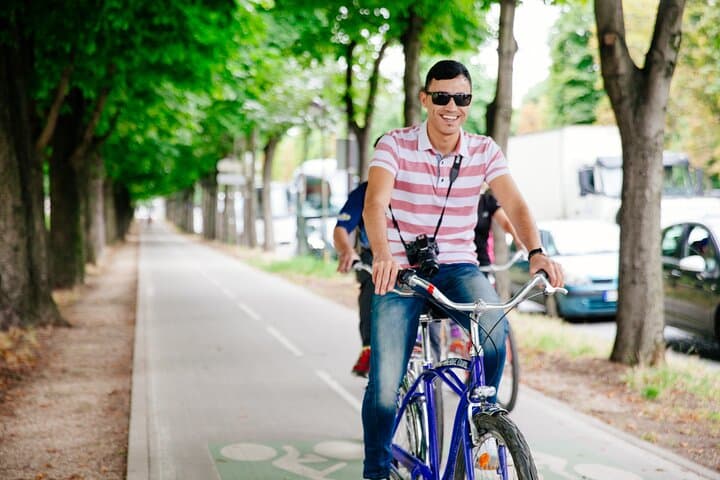
The city opens up on two wheels: morning mist lifts off the Seine as cyclists glide past the Île de la Cité, the Eiffel Tower keeping silent watch. Renting a classic city bike hands you a compact map of Parisian life — riverbanks busy with joggers, narrow Marais lanes where cafés spill onto the pavement, and broad boulevards that feel engineered for rolling travel.
Verified experiences and guided adventures in the surrounding area.
Operated by Fat Tire Tours - Paris · Paris, Île-de-France
The city opens up on two wheels: morning mist lifts off the Seine as cyclists glide past the Île de la Cité, the Eiffel Tower keeping silent watch. Renting a classic city bike hands you a compact map of Parisian life — riverbanks busy with joggers, narrow Marais lanes where cafés spill onto the pavement, and broad boulevards that feel engineered for rolling travel.
Paris is layered history and planned geometry. Baron Haussmann’s 19th-century boulevards meet medieval alleys; the riverbanks, carved by centuries of trade, now host dedicated cycle paths. The city’s terrain is largely flat — expect minimal elevation changes (under 50 m across central routes) and short, frequent stretches of cobblestones and tram tracks that demand steady handling.
Culturally, cycling in Paris is a local rhythm: commuters on electric bikes, students weaving through plazas, and slow sightseeing along the Seine. Look out for Vélib’ stations and bike lanes that shift between protected and painted; traffic can be assertive, but lane infrastructure is improving.
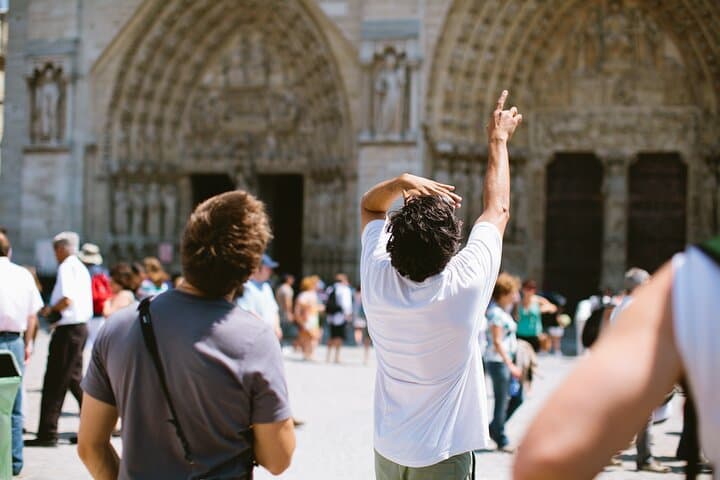
Practical guidance: plan a 2–4 hour loop to hit the Eiffel Tower, Notre-Dame, and the Marais (roughly 6–12 km of riding). Wear closed shoes, carry a compact repair kit and a reliable lock, and time your ride for early morning or late afternoon to avoid peak traffic. Keep to cycle lanes where provided, dismount on crowded bridges, and respect pedestrian zones. Helmets are optional for adults but useful on cobbles; bring a refillable water bottle and be ready for short detours through parks or markets. This rental puts mobility in your hands — practical, immediate, and undeniably Parisian.
easy.
2–8 hours.
Suitable for most fitness levels; riders should be comfortable pedaling on flat urban terrain for several hours.
Helmets are optional for adults at most rental shops; you can request one but many Parisians ride without — using one is recommended on cobbles or in traffic.
Yes — many stretches of the Seine have dedicated cycle lanes, but lane protection varies and some sections require dismounting where flagged.
Policies vary by operator; many rentals offer adult bikes and some provide child seats or kids’ bikes, so confirm availability when booking.
Most rental spots are close to metro stations and Vélib’ hubs; if you need to transport a bike on public transit, check local rules for folding bikes and peak restrictions.
Paris’s bike culture accelerated with the Vélib’ public bike system launched in 2007 and the city’s expanding network of cycle lanes that reuse riverbanks and reclaimed car lanes.
Choose a reputable rental that maintains its bikes and use locks instead of leaving bikes chained to heritage railings; follow local rules to minimize impact in parks and along the riverbanks.
Fat Tire Tours - Paris operates guided outdoor trips and adventures with an emphasis on safety, stewardship, and memorable experiences.

The city opens up on two wheels: morning mist lifts off the Seine as cyclists glide past the Île de la Cité, the Eiffel Tower keeping silent watch. Renting a classic city bike hands you a compact map of Parisian life — riverbanks busy with joggers, narrow Marais lanes where cafés spill onto the pavement, and broad boulevards that feel engineered for rolling travel.
The city opens up on two wheels: morning mist lifts off the Seine as cyclists glide past the Île de la Cité, the Eiffel Tower keeping silent watch. Renting a classic city bike hands you a compact map of Parisian life — riverbanks busy with joggers, narrow Marais lanes where cafés spill onto the pavement, and broad boulevards that feel engineered for rolling travel.
Paris is layered history and planned geometry. Baron Haussmann’s 19th-century boulevards meet medieval alleys; the riverbanks, carved by centuries of trade, now host dedicated cycle paths. The city’s terrain is largely flat — expect minimal elevation changes (under 50 m across central routes) and short, frequent stretches of cobblestones and tram tracks that demand steady handling.
Culturally, cycling in Paris is a local rhythm: commuters on electric bikes, students weaving through plazas, and slow sightseeing along the Seine. Look out for Vélib’ stations and bike lanes that shift between protected and painted; traffic can be assertive, but lane infrastructure is improving.
Practical guidance: plan a 2–4 hour loop to hit the Eiffel Tower, Notre-Dame, and the Marais (roughly 6–12 km of riding). Wear closed shoes, carry a compact repair kit and a reliable lock, and time your ride for early morning or late afternoon to avoid peak traffic. Keep to cycle lanes where provided, dismount on crowded bridges, and respect pedestrian zones. Helmets are optional for adults but useful on cobbles; bring a refillable water bottle and be ready for short detours through parks or markets. This rental puts mobility in your hands — practical, immediate, and undeniably Parisian.