THE ADVENTURE COLLECTIVE® · Independent discovery and booking for outdoor travel

Traverse Asia’s longest dry cave and a historic river cave in one day from Dong Hoi. This guided tour pairs Paradise Cave’s cathedral-like chambers with a boat trip into Phong Nha’s water passages for a compact, geology-forward outing.
Traverse Asia’s longest dry cave and a historic river cave in one day from Dong Hoi. This guided tour pairs Paradise Cave’s cathedral-like chambers with a boat trip into Phong Nha’s water passages for a compact, geology-forward outing.
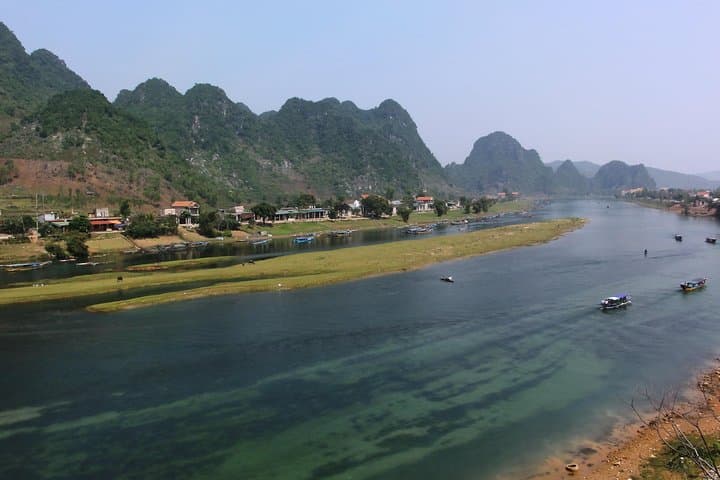
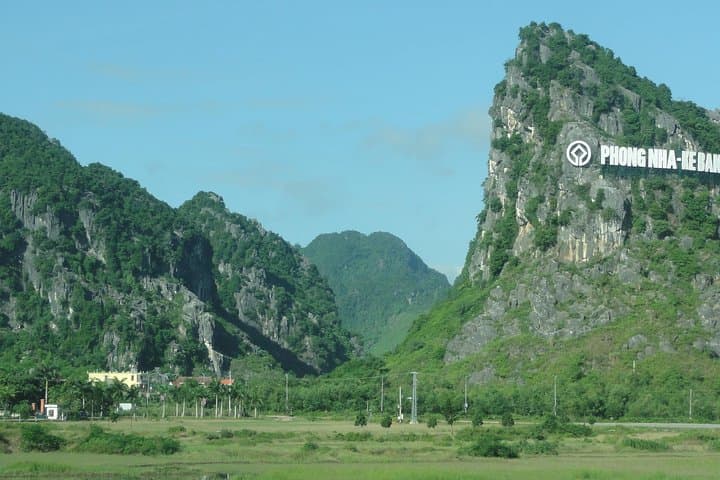
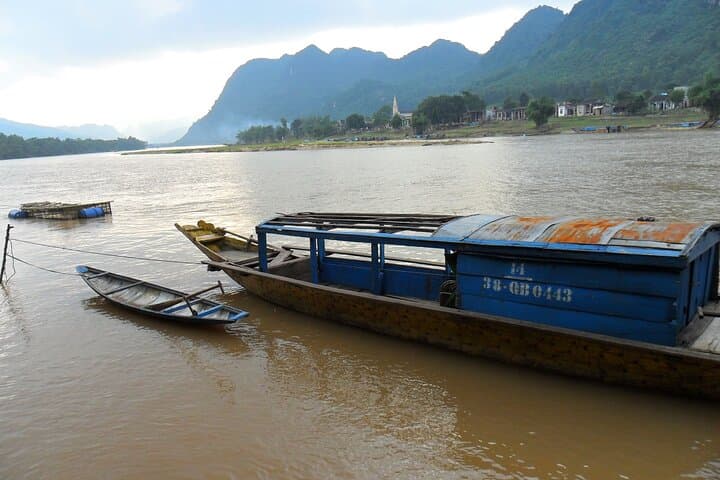
Stepping off the minivan, the air shifts: warm, humid, heavy with limestone and green growth. A narrow path threads between karst towers, and soon the world goes quiet as the entrance to Paradise Cave opens—an internal plain of columns and draperies lit like a subterranean gallery. Later, a boat eases into Phong Nha’s river cave, the current nudging it into a dark throat where water and rock conspire to reveal fossilized chambers.
Verified experiences and guided adventures in the surrounding area.
Operated by Phong Nha - Tour to the caves · Phong Nha, Quang Binh
Stepping off the minivan, the air shifts: warm, humid, heavy with limestone and green growth. A narrow path threads between karst towers, and soon the world goes quiet as the entrance to Paradise Cave opens—an internal plain of columns and draperies lit like a subterranean gallery. Later, a boat eases into Phong Nha’s river cave, the current nudging it into a dark throat where water and rock conspire to reveal fossilized chambers.
Phong Nha–Ke Bang National Park is UNESCO-listed for its extensive karst and cave systems. Paradise Cave (Hang Thien Duong) was explored by British cavers and measured at over 31 km long; visitors typically traverse the first carved and boardwalked kilometers to experience its massive chambers and crystalline stalactites. Phong Nha Cave, by contrast, is a water cave once integral to local wartime routes and the Ho Chi Minh trail; its boat-accessed passages still carry echoes of historic transport and local riverine culture.
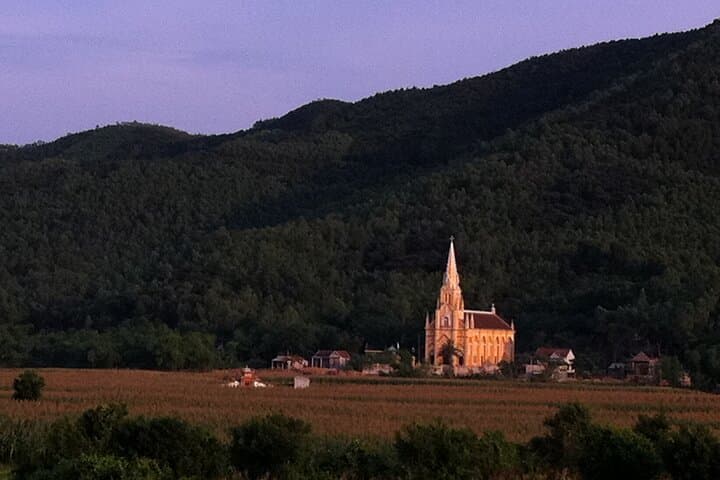
Geology here is active: rain, river and slow chemistry have sculpted chambers, columns and thin translucent formations over millions of years. Local villages around Phong Nha retain a quiet rural rhythm—homestays, simple cuisine and boatmen who know the caves’ moods.
Practical guidance: expect 8–9 hours door-to-door with hotel pickup from Dong Hoi or Phong Nha. Comfortable, non-slip shoes and a light rain layer are musts; the Paradise walk is mostly boardwalk (roughly 1–2 km) while Phong Nha requires a short boat ride and boarding. The caves are lit but bring a small flashlight for detail shots; humidity can fog lenses and equipment. Carry water, protect electronics from moisture, and follow your guide—paths are fragile and conservation rules are enforced.
easy.
9 hours.
Light walking fitness—able to stand and walk on boardwalks for 1–3 hours total with occasional short steps and stairs.
The shared tour is approximately 9 hours total and includes hotel pickup and drop-off from Dong Hoi or Phong Nha per your booking details.
Yes—visitor sections of Paradise and Phong Nha are fitted with lighting and boardwalks or boat access; follow guide instructions and stay on marked paths.
Infants may join but must sit on an adult’s lap during transfers; the tour is generally suitable for children who can manage short walks and boat rides.
Lunch, bottled water, national park fees and environmental charges are listed as included in the tour package.
Phong Nha was a strategic area during the Vietnam War and parts of the cave systems served as transport and shelter along historic Ho Chi Minh routes.
Phong Nha–Ke Bang is UNESCO-protected; visitors should stay on paths, avoid touching formations, and follow guides to minimize impact.
Phong Nha - Tour to the caves operates guided outdoor trips and adventures with an emphasis on safety, stewardship, and memorable experiences.
Stepping off the minivan, the air shifts: warm, humid, heavy with limestone and green growth. A narrow path threads between karst towers, and soon the world goes quiet as the entrance to Paradise Cave opens—an internal plain of columns and draperies lit like a subterranean gallery. Later, a boat eases into Phong Nha’s river cave, the current nudging it into a dark throat where water and rock conspire to reveal fossilized chambers.
Stepping off the minivan, the air shifts: warm, humid, heavy with limestone and green growth. A narrow path threads between karst towers, and soon the world goes quiet as the entrance to Paradise Cave opens—an internal plain of columns and draperies lit like a subterranean gallery. Later, a boat eases into Phong Nha’s river cave, the current nudging it into a dark throat where water and rock conspire to reveal fossilized chambers.
Phong Nha–Ke Bang National Park is UNESCO-listed for its extensive karst and cave systems. Paradise Cave (Hang Thien Duong) was explored by British cavers and measured at over 31 km long; visitors typically traverse the first carved and boardwalked kilometers to experience its massive chambers and crystalline stalactites. Phong Nha Cave, by contrast, is a water cave once integral to local wartime routes and the Ho Chi Minh trail; its boat-accessed passages still carry echoes of historic transport and local riverine culture.
Geology here is active: rain, river and slow chemistry have sculpted chambers, columns and thin translucent formations over millions of years. Local villages around Phong Nha retain a quiet rural rhythm—homestays, simple cuisine and boatmen who know the caves’ moods.
Practical guidance: expect 8–9 hours door-to-door with hotel pickup from Dong Hoi or Phong Nha. Comfortable, non-slip shoes and a light rain layer are musts; the Paradise walk is mostly boardwalk (roughly 1–2 km) while Phong Nha requires a short boat ride and boarding. The caves are lit but bring a small flashlight for detail shots; humidity can fog lenses and equipment. Carry water, protect electronics from moisture, and follow your guide—paths are fragile and conservation rules are enforced.