THE ADVENTURE COLLECTIVE® · Independent discovery and booking for outdoor travel

Visit the BioMuseo to trace how the Isthmus of Panama reshaped life on Earth. Frank Gehry’s colorful museum and a quick Amador Causeway photo stop make an accessible, 3–4 hour introduction to Panama’s geology, ecosystems, and conservation story.
Visit the BioMuseo to trace how the Isthmus of Panama reshaped life on Earth. Frank Gehry’s colorful museum and a quick Amador Causeway photo stop make an accessible, 3–4 hour introduction to Panama’s geology, ecosystems, and conservation story.
You arrive along the low curve of the Amador Causeway with the ocean and the city skyline framing the BioMuseo’s colorful sails—Frank Gehry’s design cutting a playful silhouette against the sky. Inside, the museum moves quickly from stone to sea: fossils and volcanic samples explain the rise of the Isthmus of Panama, life-sized reconstructions show extinct giants, and aquariums connect visitors to both the Pacific and Atlantic currents that shaped global biodiversity.
Verified experiences and guided adventures in the surrounding area.
Operated by Beautiful Tours Panama · Panama City, Panamá
You arrive along the low curve of the Amador Causeway with the ocean and the city skyline framing the BioMuseo’s colorful sails—Frank Gehry’s design cutting a playful silhouette against the sky. Inside, the museum moves quickly from stone to sea: fossils and volcanic samples explain the rise of the Isthmus of Panama, life-sized reconstructions show extinct giants, and aquariums connect visitors to both the Pacific and Atlantic currents that shaped global biodiversity.
The exhibits center on a simple, powerful story — Panama as the geological bridge that rewired species distributions between continents. Local cultural threads run alongside the natural history, with bilingual guides offering context about indigenous relationships to the land and modern conservation efforts. After the indoor tour, the itinerary usually stops on the Amador Causeway for a photo of the Panama City skyline and the iconic Panama sign, a short outdoor breather where the ocean dares you to look further.
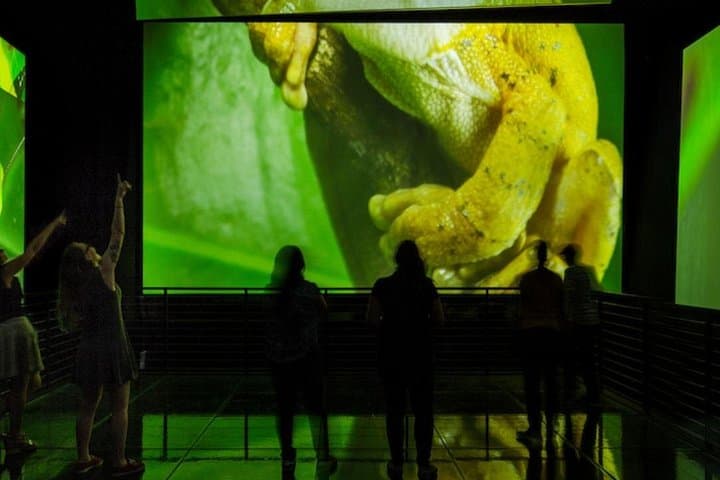
Practical guidance: this is an accessible, mostly paved experience that lasts about three hours at the museum plus transit; private pickup and drop-off and entrance are included. Morning visits avoid midday heat and make outdoor photos cleaner. Wear sun protection, bring a refillable water bottle, and leave extra time for the museum’s short videos and interactive displays. Consider pairing the visit with a nearby seafood lunch or a quick stop at Punta Culebra for hands-on tidepool exhibits if you want a fuller half-day of natural history.
easy.
3–4 hours.
Suitable for all fitness levels; walking is on paved, level surfaces with occasional steps
Yes—this tour package includes museum entrance fees along with private transport as listed.
The schedule typically allows about 2.5–3 hours inside the BioMuseo, with additional time for the Amador Causeway stop and transit.
Yes—the museum and transportation options are wheelchair accessible; notify the operator of mobility needs when booking.
Yes—an optional lunch stop at a nearby local restaurant on the Causeway can be included per the tour description.
The BioMuseo interprets Panama’s dramatic geological event—the closure of the Central American Seaway about 3 million years ago—that allowed species exchanges between North and South America.
The museum focuses on education to support conservation; visitors are encouraged to follow trail signs, avoid touching live displays, and support local protected areas.
Beautiful Tours Panama operates guided outdoor trips and adventures with an emphasis on safety, stewardship, and memorable experiences.
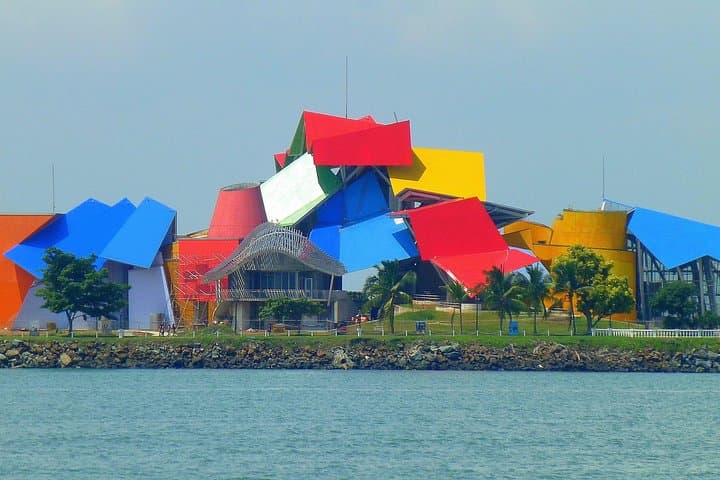
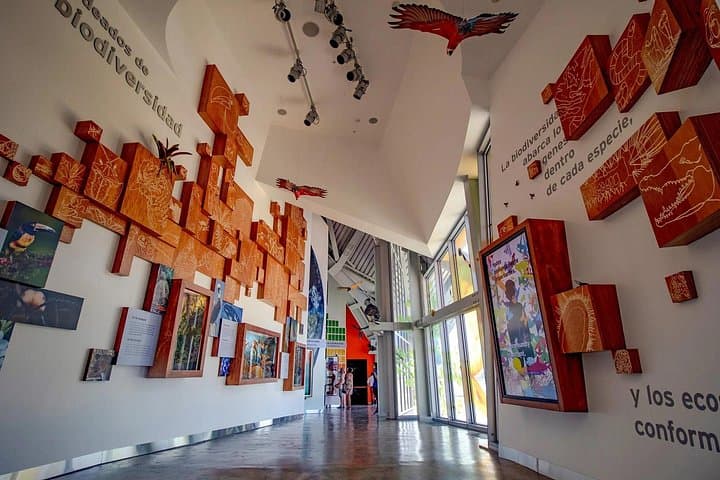
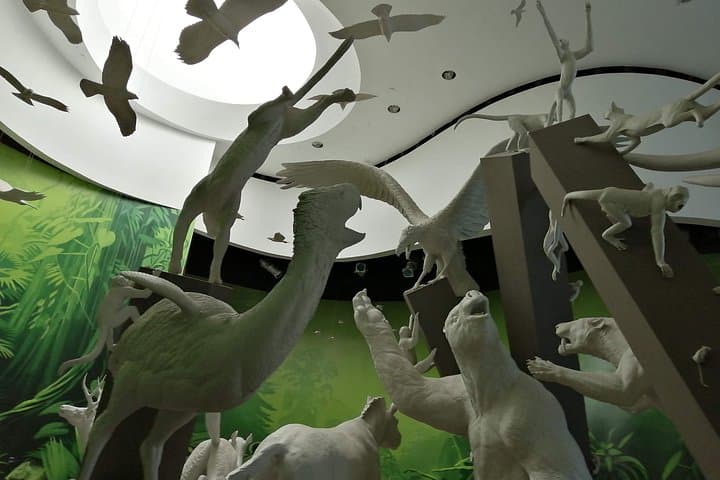
You arrive along the low curve of the Amador Causeway with the ocean and the city skyline framing the BioMuseo’s colorful sails—Frank Gehry’s design cutting a playful silhouette against the sky. Inside, the museum moves quickly from stone to sea: fossils and volcanic samples explain the rise of the Isthmus of Panama, life-sized reconstructions show extinct giants, and aquariums connect visitors to both the Pacific and Atlantic currents that shaped global biodiversity.
You arrive along the low curve of the Amador Causeway with the ocean and the city skyline framing the BioMuseo’s colorful sails—Frank Gehry’s design cutting a playful silhouette against the sky. Inside, the museum moves quickly from stone to sea: fossils and volcanic samples explain the rise of the Isthmus of Panama, life-sized reconstructions show extinct giants, and aquariums connect visitors to both the Pacific and Atlantic currents that shaped global biodiversity.
The exhibits center on a simple, powerful story — Panama as the geological bridge that rewired species distributions between continents. Local cultural threads run alongside the natural history, with bilingual guides offering context about indigenous relationships to the land and modern conservation efforts. After the indoor tour, the itinerary usually stops on the Amador Causeway for a photo of the Panama City skyline and the iconic Panama sign, a short outdoor breather where the ocean dares you to look further.
Practical guidance: this is an accessible, mostly paved experience that lasts about three hours at the museum plus transit; private pickup and drop-off and entrance are included. Morning visits avoid midday heat and make outdoor photos cleaner. Wear sun protection, bring a refillable water bottle, and leave extra time for the museum’s short videos and interactive displays. Consider pairing the visit with a nearby seafood lunch or a quick stop at Punta Culebra for hands-on tidepool exhibits if you want a fuller half-day of natural history.