THE ADVENTURE COLLECTIVE® · Independent discovery and booking for outdoor travel

Discover Palma’s old town with a local private guide: Gothic cathedral, hidden Jewish quarter, and lively markets. This two-hour walk blends history, architecture, and neighbourhood stories with practical tips for timing and footwear.
Discover Palma’s old town with a local private guide: Gothic cathedral, hidden Jewish quarter, and lively markets. This two-hour walk blends history, architecture, and neighbourhood stories with practical tips for timing and footwear.
Morning light slices between Gothic buttresses as you meet your guide in Parc de la Mar, the sea licking the stone below Palma’s cathedral. The city hums with market vendors and the occasional gull; narrow lanes open into bright patios where orange trees nudge the air with citrus. A private walking tour here moves at a human rhythm—stop, listen, and let the guide point out small details that slip past hurried itineraries.
Verified experiences and guided adventures in the surrounding area.
Operated by Mallorca Free Tour · Palma, Balearic Islands
Morning light slices between Gothic buttresses as you meet your guide in Parc de la Mar, the sea licking the stone below Palma’s cathedral. The city hums with market vendors and the occasional gull; narrow lanes open into bright patios where orange trees nudge the air with citrus. A private walking tour here moves at a human rhythm—stop, listen, and let the guide point out small details that slip past hurried itineraries.
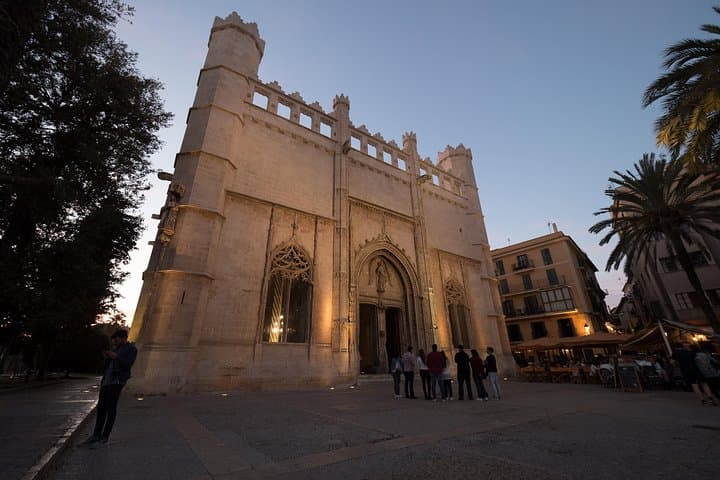
Palma’s streets hold layers: a 13th-century Gothic cathedral raised after the Reconquista, a Jewish quarter marked by history and the complex legacy of the Xuetas, and Modernist façades from Mallorca’s prosperous turn-of-the-century boom. Geology shows in the local sandstone and limestone, the same stone quarried for religious and civic buildings. Culture is immediate—markets that still trade in seasonal produce, artisans repairing shoes, and cafés where locals debate politics over cortados.
This private format allows you to tailor the focus—architecture, Jewish heritage, gastronomy, or contemporary art like Miquel Barceló’s chapel. Guides typically allow two hours, covering the Cathedral, Patio Mallorquín, the Jewish quarter, Santa Eulàlia, and the central market, with stories about royal patrons and urban quirks.
Practical tips: wear supportive shoes for cobbles, carry a refillable bottle, and schedule morning or late-afternoon slots to avoid high sun and cruise-ship crowds. If you plan interior visits, bring ID and check opening times; many sites have seasonal hours. Keep conversation local—this is a living city, not a museum—so move respectfully through residential alleys and support small businesses when you can.
easy.
2 hours.
Suitable for most fitness levels; requires walking on flat to uneven cobbles for two hours.
The standard private tour lasts about two hours and covers Palma Cathedral, the Jewish quarter, Patio Mallorquín, and the central market.
Yes—guides tailor the route to focus on architecture, gastronomy, Jewish heritage, or local anecdotes based on your interests.
Parts of the old town are flat and accessible, but some alleys and cobbled streets may be uneven; contact the operator to arrange a fully accessible route.
The tour price typically covers the guide only; entrance fees to attractions like the Cathedral interior are usually separate and payable on-site.
Palma’s Cathedral was rebuilt in the 13th–17th centuries after the Reconquista; the Jewish quarter preserves traces of an older medieval community and the complex history of the Xuetas.
High foot traffic impacts fragile interiors—stick to guided routes, avoid touching historic surfaces, and use reusable bottles to cut plastic waste.
Mallorca Free Tour operates guided outdoor trips and adventures with an emphasis on safety, stewardship, and memorable experiences.
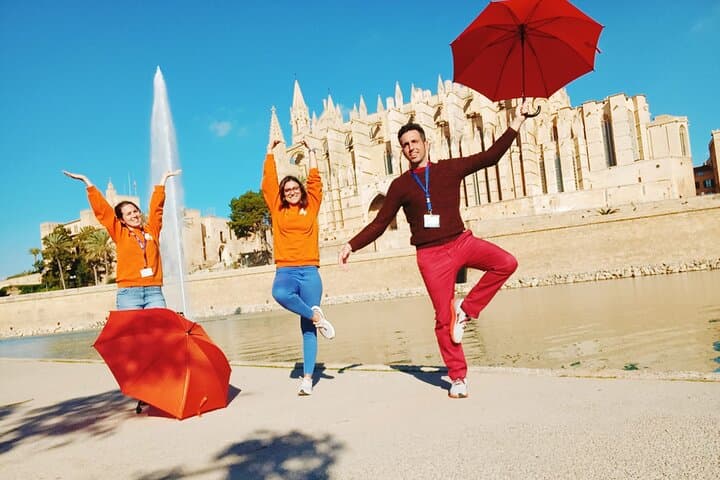
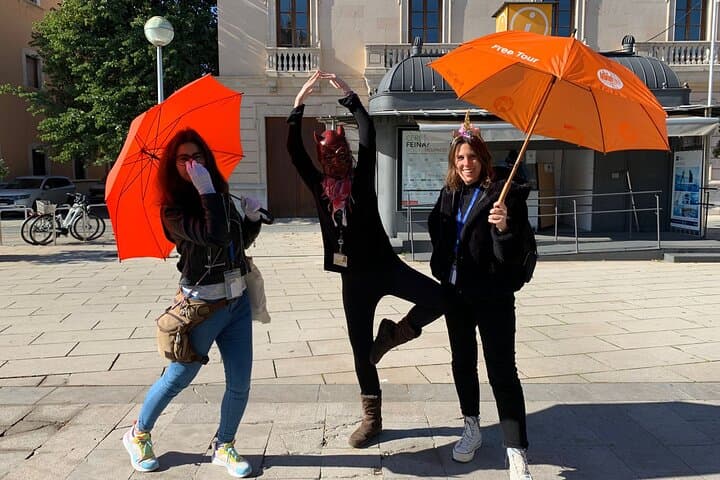
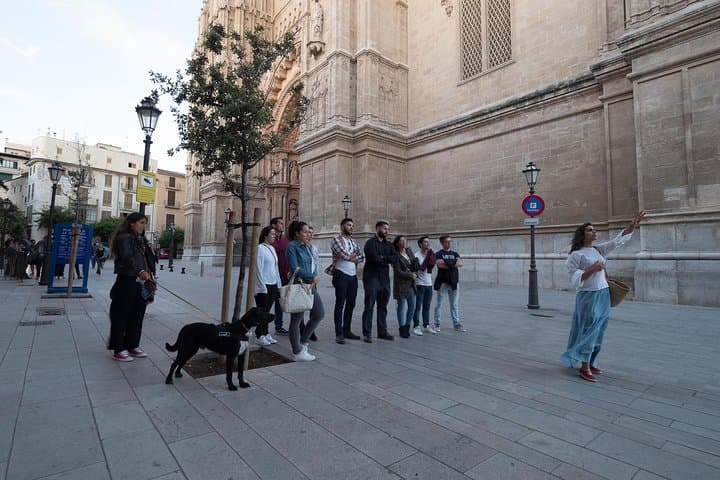
Morning light slices between Gothic buttresses as you meet your guide in Parc de la Mar, the sea licking the stone below Palma’s cathedral. The city hums with market vendors and the occasional gull; narrow lanes open into bright patios where orange trees nudge the air with citrus. A private walking tour here moves at a human rhythm—stop, listen, and let the guide point out small details that slip past hurried itineraries.
Morning light slices between Gothic buttresses as you meet your guide in Parc de la Mar, the sea licking the stone below Palma’s cathedral. The city hums with market vendors and the occasional gull; narrow lanes open into bright patios where orange trees nudge the air with citrus. A private walking tour here moves at a human rhythm—stop, listen, and let the guide point out small details that slip past hurried itineraries.
Palma’s streets hold layers: a 13th-century Gothic cathedral raised after the Reconquista, a Jewish quarter marked by history and the complex legacy of the Xuetas, and Modernist façades from Mallorca’s prosperous turn-of-the-century boom. Geology shows in the local sandstone and limestone, the same stone quarried for religious and civic buildings. Culture is immediate—markets that still trade in seasonal produce, artisans repairing shoes, and cafés where locals debate politics over cortados.
This private format allows you to tailor the focus—architecture, Jewish heritage, gastronomy, or contemporary art like Miquel Barceló’s chapel. Guides typically allow two hours, covering the Cathedral, Patio Mallorquín, the Jewish quarter, Santa Eulàlia, and the central market, with stories about royal patrons and urban quirks.
Practical tips: wear supportive shoes for cobbles, carry a refillable bottle, and schedule morning or late-afternoon slots to avoid high sun and cruise-ship crowds. If you plan interior visits, bring ID and check opening times; many sites have seasonal hours. Keep conversation local—this is a living city, not a museum—so move respectfully through residential alleys and support small businesses when you can.