THE ADVENTURE COLLECTIVE® · Independent discovery and booking for outdoor travel

Descend beneath Palermo to walk ancient Qanat tunnels that channeled spring water into the city. This three-hour guided tour through the Upper Jesuit Qanat offers archaeology, geology and a physically engaging underground journey.
Descend beneath Palermo to walk ancient Qanat tunnels that channeled spring water into the city. This three-hour guided tour through the Upper Jesuit Qanat offers archaeology, geology and a physically engaging underground journey.
You step off a sun-warmed street into a pocket of cool darkness; stone closes above you and the city’s noise thins to the ripple of moving water. The descent into the Upper Jesuit Qanat, under the Altarello neighborhood by Casa Micciulla, feels like entering the city’s circulatory system—water daring you forward along passages dug over centuries.
Verified experiences and guided adventures in the surrounding area.
Operated by Palermo On Tour · Palermo, Sicily
You step off a sun-warmed street into a pocket of cool darkness; stone closes above you and the city’s noise thins to the ripple of moving water. The descent into the Upper Jesuit Qanat, under the Altarello neighborhood by Casa Micciulla, feels like entering the city’s circulatory system—water daring you forward along passages dug over centuries.
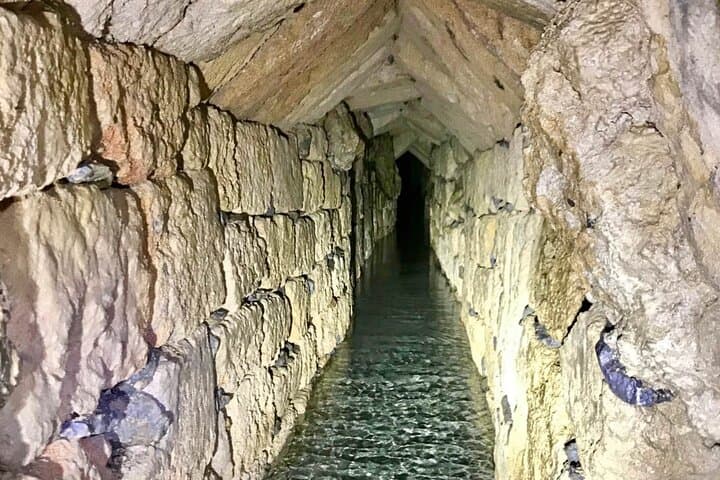
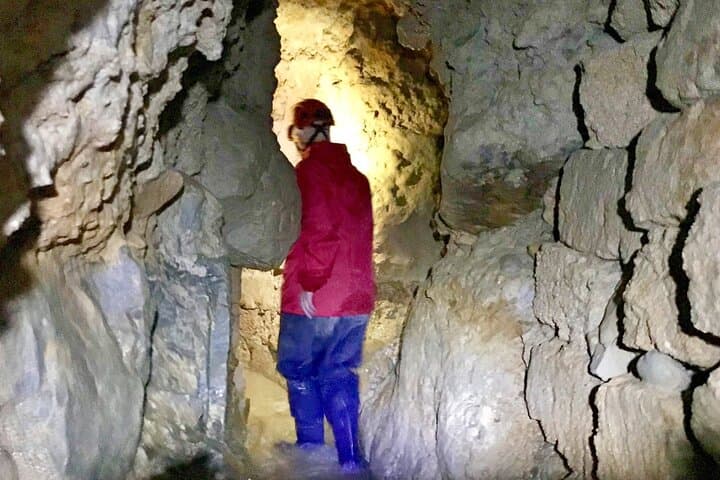
These tunnels are a living archive of Arab and later Jesuit hydraulic engineering: shafts, channels and hand-cut galleries that route spring water up to 1,100 meters and plunge as deep as 16 meters below street level. Geology here is limestone and soft calcarenite that made excavation possible; the same rock shelters narrow passages and small caverns that preserve traces of workers’ tools and historic repairs.
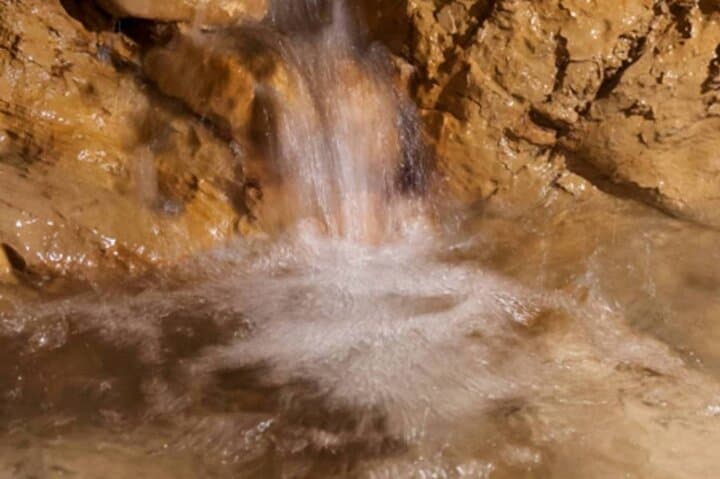
Culturally this is Palermo from an uncommon angle—an urban archaeology that speaks to irrigation, survival and civic planning from medieval times to today. Guides point out ventilation shafts that once doubled as access routes and natural springs that still feed the flow.
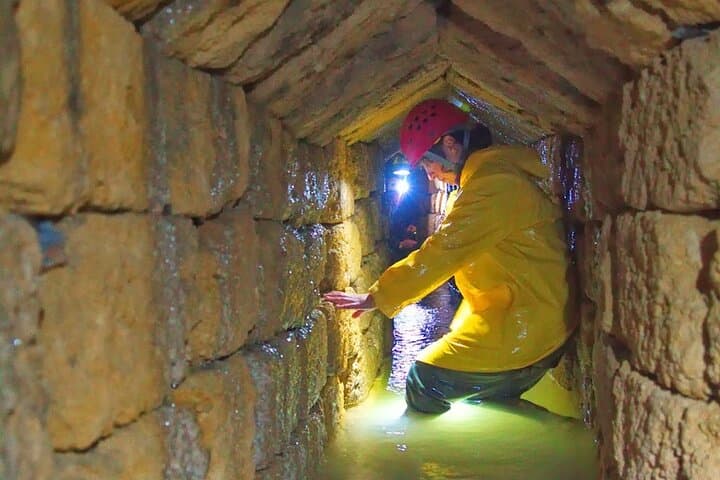
Practically: the tour runs about three hours, small groups only, and includes boots, helmets and wetsuits. Expect low ceilings (roughly 1.5 m in places), damp floors, and short stretches of walking through ankle- to knee-deep water. Wear a quick-dry base layer, bring a backup headlamp, and be prepared for cool temperatures underground even on hot days. Mobility and good cardiovascular fitness matter—this is physically demanding and not recommended for those with spinal, heart or pregnancy restrictions.
Leave no trace: the qanats are fragile—follow the guide, avoid touching historic masonry, and carry out any trash. Emerging back into Palermo feels like surfacing from a different era, with the city’s light sharp against the memory of the tunnels.
challenging.
3 hours.
Participants should have strong cardiovascular fitness and good mobility for stooping, climbing low steps and walking on wet, uneven surfaces.
Children with good mobility may join, but groups include narrow, wet passages and low ceilings—operators set a minimum age and evaluate each child’s ability.
Yes—guides supply helmets, boots and wetsuits as part of the tour, though participants may bring their own gear if preferred.
Photography is usually allowed but use of flash may be discouraged to preserve delicate surfaces; follow the guide’s instructions.
No—the tunnels have low passages, steps and wet zones; this experience is not accessible for wheelchairs or limited-mobility travelers.
Qanats in Palermo reflect Arab-era hydraulic innovation later reused and maintained through Jesuit and municipal periods, channeling springs into public fountains and urban cisterns.
These tunnels are fragile hypogean environments—respect group limits, avoid touching masonry and pack out any waste to limit erosion and biological disturbance.
Palermo On Tour operates guided outdoor trips and adventures with an emphasis on safety, stewardship, and memorable experiences.
You step off a sun-warmed street into a pocket of cool darkness; stone closes above you and the city’s noise thins to the ripple of moving water. The descent into the Upper Jesuit Qanat, under the Altarello neighborhood by Casa Micciulla, feels like entering the city’s circulatory system—water daring you forward along passages dug over centuries.
You step off a sun-warmed street into a pocket of cool darkness; stone closes above you and the city’s noise thins to the ripple of moving water. The descent into the Upper Jesuit Qanat, under the Altarello neighborhood by Casa Micciulla, feels like entering the city’s circulatory system—water daring you forward along passages dug over centuries.
These tunnels are a living archive of Arab and later Jesuit hydraulic engineering: shafts, channels and hand-cut galleries that route spring water up to 1,100 meters and plunge as deep as 16 meters below street level. Geology here is limestone and soft calcarenite that made excavation possible; the same rock shelters narrow passages and small caverns that preserve traces of workers’ tools and historic repairs.
Culturally this is Palermo from an uncommon angle—an urban archaeology that speaks to irrigation, survival and civic planning from medieval times to today. Guides point out ventilation shafts that once doubled as access routes and natural springs that still feed the flow.
Practically: the tour runs about three hours, small groups only, and includes boots, helmets and wetsuits. Expect low ceilings (roughly 1.5 m in places), damp floors, and short stretches of walking through ankle- to knee-deep water. Wear a quick-dry base layer, bring a backup headlamp, and be prepared for cool temperatures underground even on hot days. Mobility and good cardiovascular fitness matter—this is physically demanding and not recommended for those with spinal, heart or pregnancy restrictions.
Leave no trace: the qanats are fragile—follow the guide, avoid touching historic masonry, and carry out any trash. Emerging back into Palermo feels like surfacing from a different era, with the city’s light sharp against the memory of the tunnels.