THE ADVENTURE COLLECTIVE® · Independent discovery and booking for outdoor travel

A short drive from Lima, Pachacamac’s adobe pyramids and compact museum offer a concentrated lesson in pre-Columbian ritual, astronomy and coastal life. This small-group half‑day tour pairs on-site interpretation with easy walking across sun-exposed ruins.
A short drive from Lima, Pachacamac’s adobe pyramids and compact museum offer a concentrated lesson in pre-Columbian ritual, astronomy and coastal life. This small-group half‑day tour pairs on-site interpretation with easy walking across sun-exposed ruins.
The road leaves Lima’s concrete grid and opens to salt-bleached wind and low, ochre hills; gulls ride the offshore breeze while the Panamericana hums beneath the bus wheels. Within an hour you arrive at Pachacamac, where adobe platforms and stepped pyramids rise from scrubland like the workbenches of an ancient astronomer.
Verified experiences and guided adventures in the surrounding area.
Operated by HAKU TOURS · Pachacamac, Lima Region
The road leaves Lima’s concrete grid and opens to salt-bleached wind and low, ochre hills; gulls ride the offshore breeze while the Panamericana hums beneath the bus wheels. Within an hour you arrive at Pachacamac, where adobe platforms and stepped pyramids rise from scrubland like the workbenches of an ancient astronomer.
Pachacamac was a major pre-Columbian oracle and ceremonial center long before the Inca incorporated it into their empire. Layers of occupation—from Lima and Ychsma cultures to Wari and the late Inca—show in the varying brickwork and plaza orientations. The site’s plazas, ramps and temples align with coastal topography and seasonal sun angles, reflecting serious astronomical knowledge alongside ritual practice.
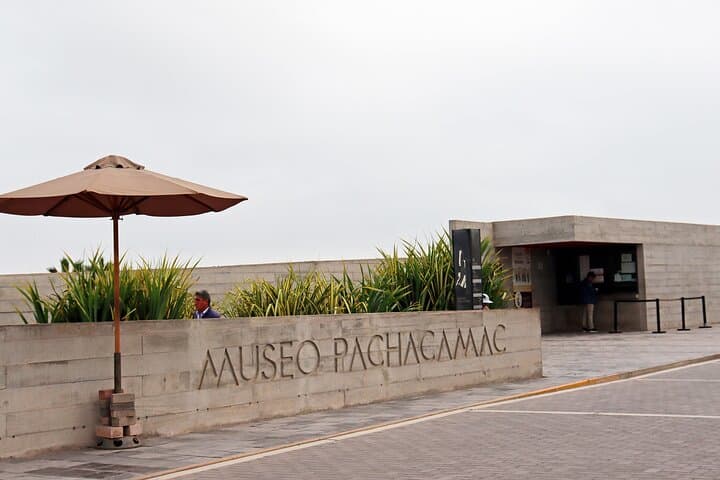
Today the on-site museum gathers portable finds and contextualizes the human sacrifices, pilgrimages and agricultural rites once central to the valley. Local communities still treat Pachacamac as a sacred place; respect for offerings and pathways matters.
Practicalities: tours are half-day, on mostly flat, dusty surfaces with short stair sections and exposed sun. Wear sturdy walking shoes, a sun hat and bring at least 1–2 liters of water. Early visits are cooler and quieter; midday brings stronger coastal sun. Expect an interpretive guide, entry ticket and a compact museum walk as part of the standard small-group itinerary. Keep to marked routes, photograph respectfully, and allow time to stand on the ridge and look toward the ocean—here the coast and culture press against one another, very much alive.
easy.
3–4 hours.
Suitable for most fitness levels; involves walking on uneven ground and short stair sections.
The full small-group experience runs about 3.5 hours (approx. 210 minutes) including transport from central Lima and time at the site and museum.
Pachacamac has uneven adobe ramps and stairs; while some plazas are flatter, full accessibility is limited—contact the operator for specific accommodations.
Yes — entry to the archaeological site and on-site museum are included in the tour price as stated in the itinerary.
Photography is generally allowed for ruins and the museum; avoid photographing people making offerings without permission and follow guide instructions for sensitive areas.
Pachacamac served as a major coastal oracle and pilgrimage center for centuries, with cultural layers from Lima, Ychsma, Wari and the Inca empires visible in the architecture and artifacts.
Erosion and urban pressure challenge the site; visitors should stay on marked paths, avoid touching fragile adobe, and follow local guidance to minimize impact.
HAKU TOURS operates guided outdoor trips and adventures with an emphasis on safety, stewardship, and memorable experiences.
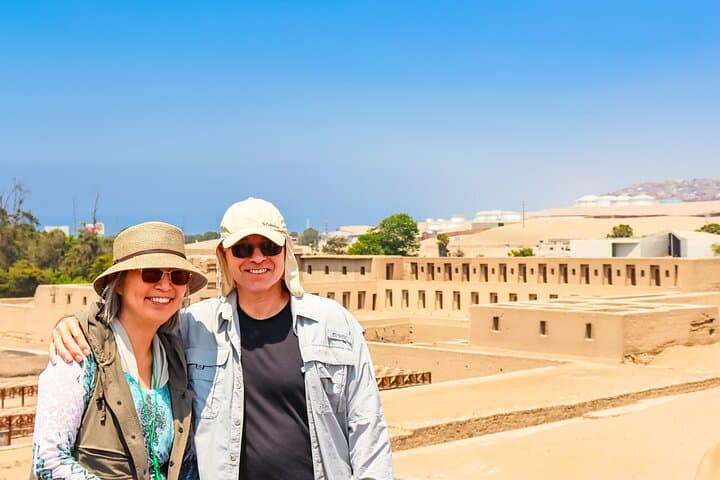
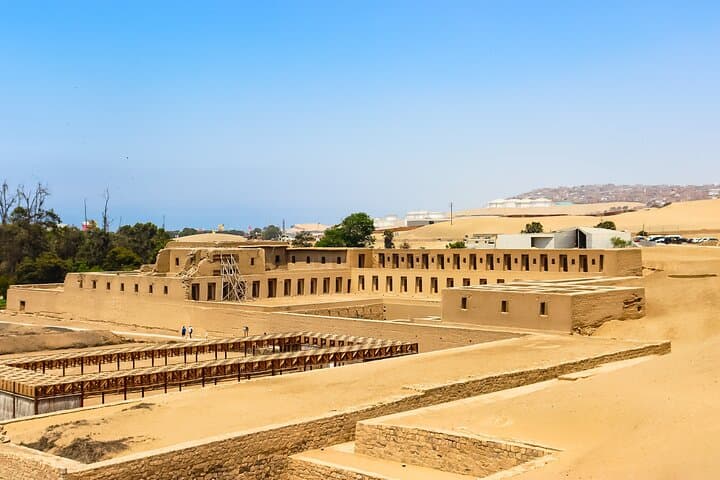
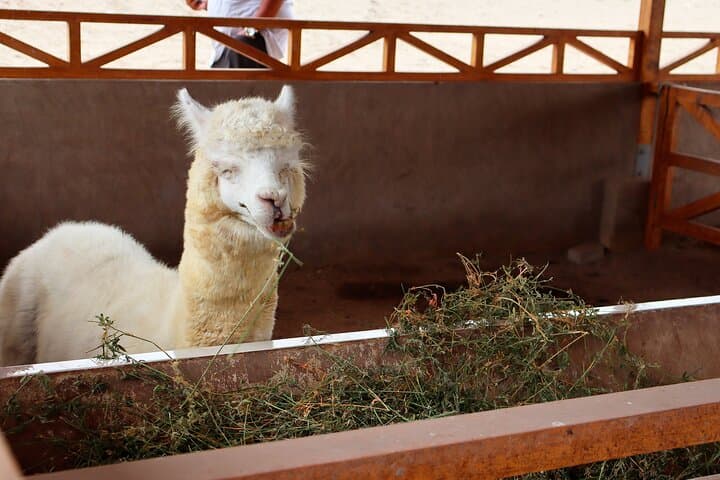
The road leaves Lima’s concrete grid and opens to salt-bleached wind and low, ochre hills; gulls ride the offshore breeze while the Panamericana hums beneath the bus wheels. Within an hour you arrive at Pachacamac, where adobe platforms and stepped pyramids rise from scrubland like the workbenches of an ancient astronomer.
The road leaves Lima’s concrete grid and opens to salt-bleached wind and low, ochre hills; gulls ride the offshore breeze while the Panamericana hums beneath the bus wheels. Within an hour you arrive at Pachacamac, where adobe platforms and stepped pyramids rise from scrubland like the workbenches of an ancient astronomer.
Pachacamac was a major pre-Columbian oracle and ceremonial center long before the Inca incorporated it into their empire. Layers of occupation—from Lima and Ychsma cultures to Wari and the late Inca—show in the varying brickwork and plaza orientations. The site’s plazas, ramps and temples align with coastal topography and seasonal sun angles, reflecting serious astronomical knowledge alongside ritual practice.
Today the on-site museum gathers portable finds and contextualizes the human sacrifices, pilgrimages and agricultural rites once central to the valley. Local communities still treat Pachacamac as a sacred place; respect for offerings and pathways matters.
Practicalities: tours are half-day, on mostly flat, dusty surfaces with short stair sections and exposed sun. Wear sturdy walking shoes, a sun hat and bring at least 1–2 liters of water. Early visits are cooler and quieter; midday brings stronger coastal sun. Expect an interpretive guide, entry ticket and a compact museum walk as part of the standard small-group itinerary. Keep to marked routes, photograph respectfully, and allow time to stand on the ridge and look toward the ocean—here the coast and culture press against one another, very much alive.