THE ADVENTURE COLLECTIVE® · Independent discovery and booking for outdoor travel

Trace Osman Pazvantoglu’s footprint through Vidin with a self-guided mobile exploration game. Visit Baba Vida fortress, Ottoman gates and synagogues on an easy, flexible walking loop.
Trace Osman Pazvantoglu’s footprint through Vidin with a self-guided mobile exploration game. Visit Baba Vida fortress, Ottoman gates and synagogues on an easy, flexible walking loop.
You step out of a sun-warmed square and the cobbled streets begin to speak: muffled footsteps, the Danube’s distant hush, a gate that has watched centuries pass. The game drops you into Vidin’s compact historic core—an easy loop that threads Baba Vida fortress, Ottoman gates and mosques, a synagogue, and the regional museum.
Verified experiences and guided adventures in the surrounding area.
Operated by Questo · Vidin, Vidin Province
You step out of a sun-warmed square and the cobbled streets begin to speak: muffled footsteps, the Danube’s distant hush, a gate that has watched centuries pass. The game drops you into Vidin’s compact historic core—an easy loop that threads Baba Vida fortress, Ottoman gates and mosques, a synagogue, and the regional museum.
The city’s stones record layers of power and trade. In the late 18th century Osman Pazvantoglu ruled here with a mix of bravado and brutality; his mosque and grave appear on the route as touchstones to that turbulent era. Geologically, Vidin sits on the plain beside the Danube, so expect flat streets and open riverfront views rather than steep climbs. Culturally, the route highlights a crossroads: Ottoman architecture, Jewish heritage, and medieval Bulgarian fortifications coexist within a few blocks.
Practically, this is a self-guided mobile game played via an app you download after booking. The itinerary is flexible—start when you like, pause, and continue at your own pace. Typical completion time is under an hour, depending on how long you linger in museums or at Baba Vida. Wear comfortable walking shoes, bring a charged phone, and carry local currency if you plan to enter paid exhibits or buy refreshments.
The experience suits curious travelers who enjoy independent exploration with narrative prompts and historical context. It’s urban, low-impact, and easily combined with a longer day on the Danube waterfront or visits to nearby cultural sites.
easy.
40–70 minutes.
Suitable for all fitness levels; you should be able to walk 1–3 km on flat, paved streets
The self-guided game typically takes 40–70 minutes depending on how long you stop at points of interest.
The game guides you to sites; admission to museums or interiors like Baba Vida may require separate tickets—check opening hours and fees locally.
Much of the route is on paved streets and tourist areas; central sections are manageable with a stroller, but check specific site access for steps or uneven cobbles.
Yes—this is a flexible, self-guided experience. You download the game after booking and can begin when it suits you within availability windows.
Vidin’s medieval Baba Vida fortress is one of Bulgaria’s best-preserved castles; Osman Pazvantoglu, an 18th-century Ottoman provincial ruler, left visible marks on the city’s architecture and lore.
The Danube corridor and Vidin’s historic sites are subject to heritage preservation efforts; visitors are encouraged to follow marked paths and avoid littering to protect both cultural and riverine environments.
Questo operates guided outdoor trips and adventures with an emphasis on safety, stewardship, and memorable experiences.
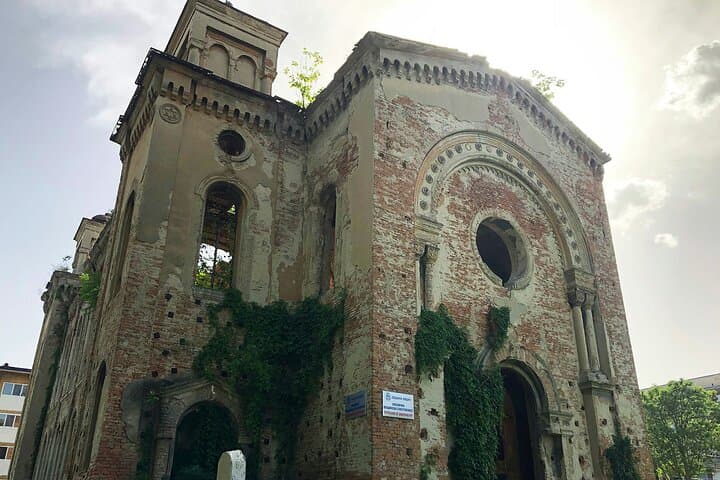
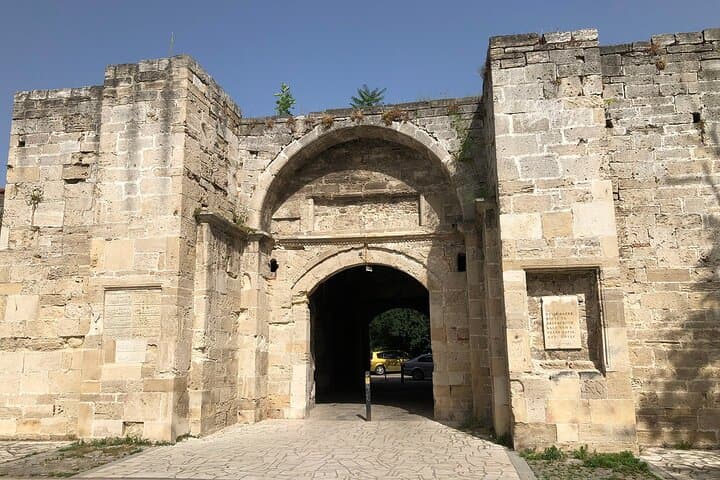
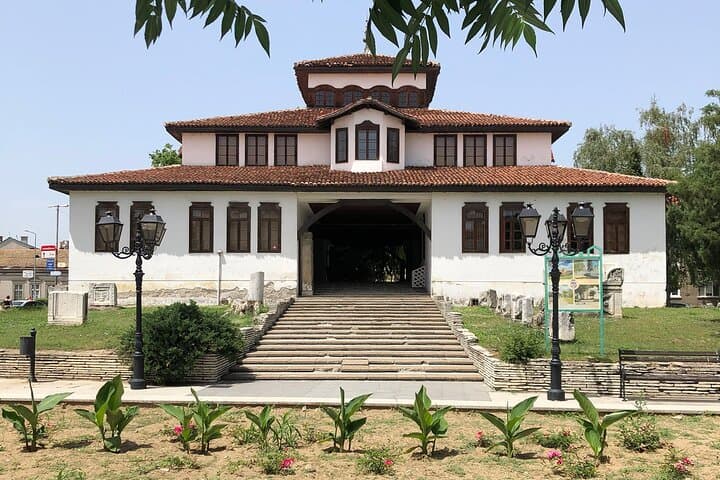
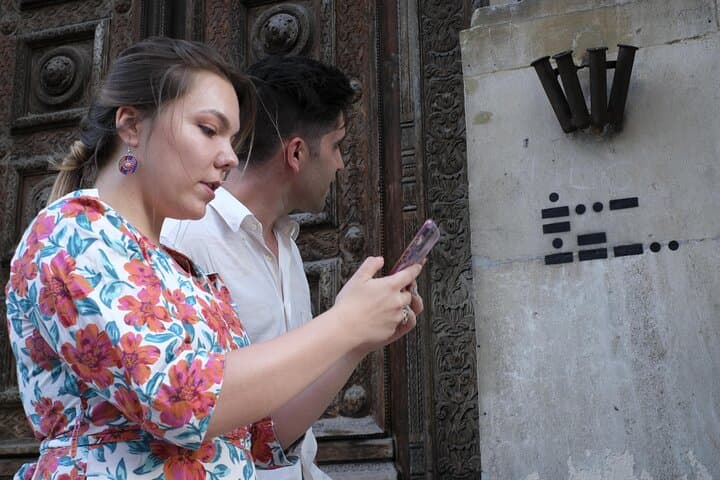
You step out of a sun-warmed square and the cobbled streets begin to speak: muffled footsteps, the Danube’s distant hush, a gate that has watched centuries pass. The game drops you into Vidin’s compact historic core—an easy loop that threads Baba Vida fortress, Ottoman gates and mosques, a synagogue, and the regional museum.
You step out of a sun-warmed square and the cobbled streets begin to speak: muffled footsteps, the Danube’s distant hush, a gate that has watched centuries pass. The game drops you into Vidin’s compact historic core—an easy loop that threads Baba Vida fortress, Ottoman gates and mosques, a synagogue, and the regional museum.
The city’s stones record layers of power and trade. In the late 18th century Osman Pazvantoglu ruled here with a mix of bravado and brutality; his mosque and grave appear on the route as touchstones to that turbulent era. Geologically, Vidin sits on the plain beside the Danube, so expect flat streets and open riverfront views rather than steep climbs. Culturally, the route highlights a crossroads: Ottoman architecture, Jewish heritage, and medieval Bulgarian fortifications coexist within a few blocks.
Practically, this is a self-guided mobile game played via an app you download after booking. The itinerary is flexible—start when you like, pause, and continue at your own pace. Typical completion time is under an hour, depending on how long you linger in museums or at Baba Vida. Wear comfortable walking shoes, bring a charged phone, and carry local currency if you plan to enter paid exhibits or buy refreshments.
The experience suits curious travelers who enjoy independent exploration with narrative prompts and historical context. It’s urban, low-impact, and easily combined with a longer day on the Danube waterfront or visits to nearby cultural sites.