THE ADVENTURE COLLECTIVE® · Independent discovery and booking for outdoor travel

Turn Ostend’s harbor, pier and public art into a game with an app-led scavenger hunt. This self-guided tour blends local history, playful tasks and accessible walking routes for 2–4 hours.
Turn Ostend’s harbor, pier and public art into a game with an app-led scavenger hunt. This self-guided tour blends local history, playful tasks and accessible walking routes for 2–4 hours.
A wind off the North Sea carries salt and questions as you tap the app and set off from Ostend Station. Streets open like pages: brick squares, coastal promenades, and sudden sculptures that force a double-take. The game routes you past the Mercator, the James Ensor House, and the long 300m pier, with GPS nudges that turn casual wandering into purposeful discovery.
Verified experiences and guided adventures in the surrounding area.
Operated by Qula · Ostend, West Flanders
A wind off the North Sea carries salt and questions as you tap the app and set off from Ostend Station. Streets open like pages: brick squares, coastal promenades, and sudden sculptures that force a double-take. The game routes you past the Mercator, the James Ensor House, and the long 300m pier, with GPS nudges that turn casual wandering into purposeful discovery.
Ostend grew from a fishing hamlet into Belgium’s principal seaside resort in the 19th century; its Kursaal and promenade reflect that coastal leisure culture. Geologically, the low-lying dunes and reclaimed land shape the city’s layout—expect broad avenues and easy gradients rather than steep climbs. The cultural beat here is visual and civic: Ensor’s influence, public sculpture by Arne Quinze and local maritime memory are visible at every turn.
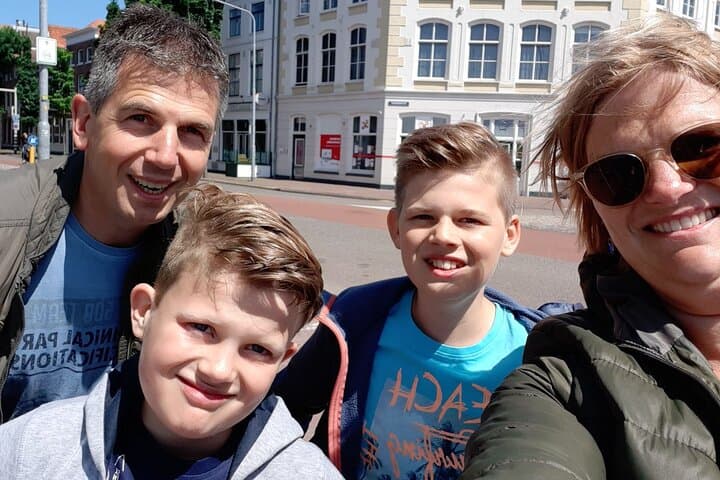
The e-scavenger format blends history, local lore and playful tasks: answer trivia, photograph details, and follow clues on your phone. It’s designed for families and groups and can be paused to fit cafes, museum visits, or a beach stop.
Practical guidance: bring a charged smartphone, a portable battery, and comfortable shoes for 2–4 hours of walking on paved and boardwalk surfaces. Public transport connects the route; instructions arrive after booking and the app works offline for basic navigation but requires data for live hints. For larger groups, split into teams and schedule start times to avoid congestion on the pier. With steady coastal wind and sudden sun, layer clothing and plan for pockets of rain.
easy.
2–4 hours.
Suitable for all fitness levels; expect several kilometers of mostly flat walking.
Yes—the game runs in a mobile web app or specific app; instructions and access details are sent after booking so download or log in before you start.
Most surfaces and routes are accessible, including promenades and many city streets; some older cobbled sections may be uneven.
Yes—the self-guided format allows you to start, pause and resume anytime within your booked access window.
Yes—designed for groups; split into teams for competition and staggered start times to avoid crowding.
Ostend expanded rapidly in the 19th century as a fashionable seaside resort; its Kursaal and promenade date to that era and reflect civic investment in leisure.
Coastal erosion and beach management are ongoing concerns—stick to marked paths and respect dune restorations to limit impact.
Qula operates guided outdoor trips and adventures with an emphasis on safety, stewardship, and memorable experiences.

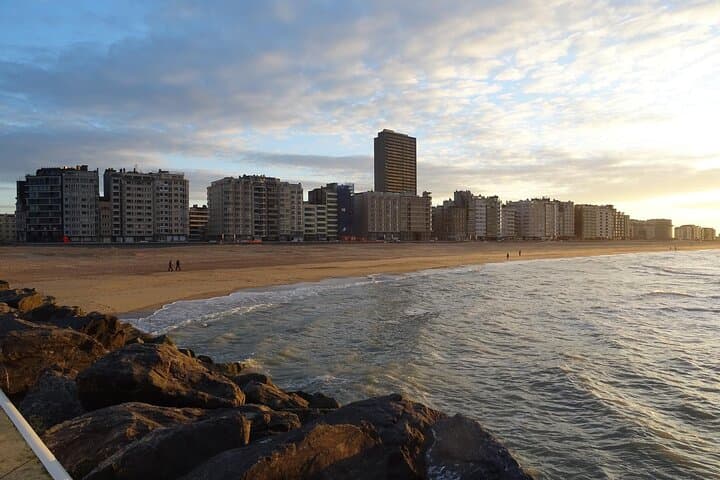

A wind off the North Sea carries salt and questions as you tap the app and set off from Ostend Station. Streets open like pages: brick squares, coastal promenades, and sudden sculptures that force a double-take. The game routes you past the Mercator, the James Ensor House, and the long 300m pier, with GPS nudges that turn casual wandering into purposeful discovery.
A wind off the North Sea carries salt and questions as you tap the app and set off from Ostend Station. Streets open like pages: brick squares, coastal promenades, and sudden sculptures that force a double-take. The game routes you past the Mercator, the James Ensor House, and the long 300m pier, with GPS nudges that turn casual wandering into purposeful discovery.
Ostend grew from a fishing hamlet into Belgium’s principal seaside resort in the 19th century; its Kursaal and promenade reflect that coastal leisure culture. Geologically, the low-lying dunes and reclaimed land shape the city’s layout—expect broad avenues and easy gradients rather than steep climbs. The cultural beat here is visual and civic: Ensor’s influence, public sculpture by Arne Quinze and local maritime memory are visible at every turn.
The e-scavenger format blends history, local lore and playful tasks: answer trivia, photograph details, and follow clues on your phone. It’s designed for families and groups and can be paused to fit cafes, museum visits, or a beach stop.
Practical guidance: bring a charged smartphone, a portable battery, and comfortable shoes for 2–4 hours of walking on paved and boardwalk surfaces. Public transport connects the route; instructions arrive after booking and the app works offline for basic navigation but requires data for live hints. For larger groups, split into teams and schedule start times to avoid congestion on the pier. With steady coastal wind and sudden sun, layer clothing and plan for pockets of rain.