THE ADVENTURE COLLECTIVE® · Independent discovery and booking for outdoor travel

Walk Ortigia’s narrow streets on a three-hour private tour that pairs local tastings with a Duomo visit and historical insights. Expect cobbled alleys, seaside views, and layered Sicilian history—perfect for curious travelers who want context with flavor.
Walk Ortigia’s narrow streets on a three-hour private tour that pairs local tastings with a Duomo visit and historical insights. Expect cobbled alleys, seaside views, and layered Sicilian history—perfect for curious travelers who want context with flavor.
You step off the causeway and the Ionian Sea nudges the island awake—salt-sweet air sliding between baroque facades as the alleys tighten around you. In Ortigia, every doorway is a marker of time: Greek stone beneath Norman arches, Baroque facades that survived earthquakes, and fishing nets drying in the same squares where traders once bartered grain.
Verified experiences and guided adventures in the surrounding area.
Operated by Rosy Smart City Tours · Syracuse, Sicily
You step off the causeway and the Ionian Sea nudges the island awake—salt-sweet air sliding between baroque facades as the alleys tighten around you. In Ortigia, every doorway is a marker of time: Greek stone beneath Norman arches, Baroque facades that survived earthquakes, and fishing nets drying in the same squares where traders once bartered grain.
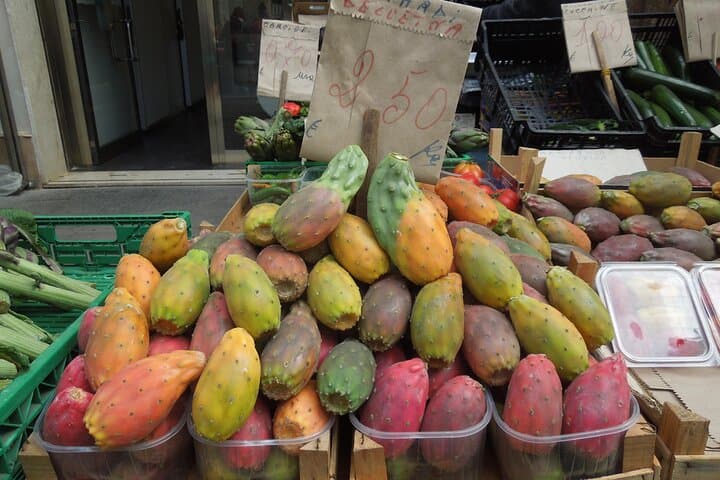
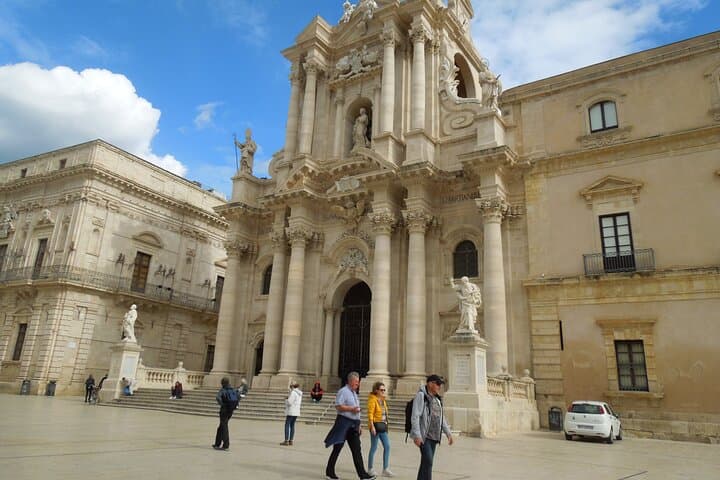
Syracuse began as a Greek colony; the cathedral you’ll enter sits on the podium of an ancient Temple of Athena, its marble reworked into Christian stonework. Geologically, Ortigia is a narrow limestone island where marine erosion carved the coastline and created the shallow inlets that define its shoreline. Culturally, the island is a blend of Mediterranean rhythms—morning fish markets, slow espresso stops, and evening passeggiata—tied to local families and a cuisine built on citrus, seafood, and capers.
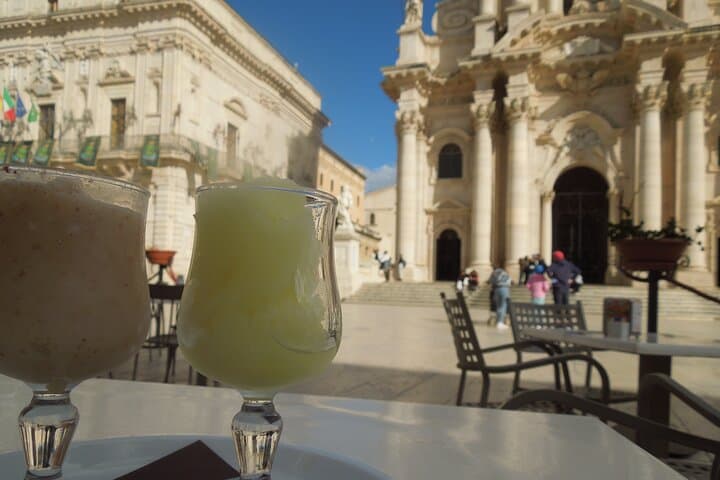
On a compact three-hour walk you’ll move from fountain squares to shadowed alleys, with two curated tastings that introduce local savory and sweet traditions and a guided Duomo entrance. Expect cobblestones, short stair runs, and narrow streets that funnel light and conversation; the sea often calls from a corner, daring you to pause.
Practical guidance: bring comfortable, grippy shoes for uneven limestone and cobbles, a refillable water bottle, and sun protection in summer. Mornings are cooler and quieter, late afternoon offers golden light for photos. The tour is accessible and relaxed but allows no large baggage; plan light and leave room for a market stop—Ortigia rewards wandering after the guide finishes.
easy.
3 hours.
Low fitness requirement—suitable for most people who can walk short uneven stretches and climb a few steps.
Yes—Duomo entrance tickets are included as part of the tour's stated inclusions.
The tour notes wheelchair accessibility, but narrow streets and some thresholds may require assistance; check with the operator when booking.
Two tastings are included: one savory and one sweet, sized as short samplings rather than full meals.
Guides are available in English, French, German, and Italian according to the tour listing.
Ortigia is the historical heart of Syracuse, founded as a Greek colony; its Duomo occupies the ruins of an ancient Temple of Athena and shows layers of Greek, Roman, Byzantine, Arab, Norman and Spanish influence.
High foot traffic and salt air stress fragile stone and historic facades—stick to marked paths, avoid touching carved surfaces, and support local businesses to aid conservation efforts.
Rosy Smart City Tours operates guided outdoor trips and adventures with an emphasis on safety, stewardship, and memorable experiences.

You step off the causeway and the Ionian Sea nudges the island awake—salt-sweet air sliding between baroque facades as the alleys tighten around you. In Ortigia, every doorway is a marker of time: Greek stone beneath Norman arches, Baroque facades that survived earthquakes, and fishing nets drying in the same squares where traders once bartered grain.
You step off the causeway and the Ionian Sea nudges the island awake—salt-sweet air sliding between baroque facades as the alleys tighten around you. In Ortigia, every doorway is a marker of time: Greek stone beneath Norman arches, Baroque facades that survived earthquakes, and fishing nets drying in the same squares where traders once bartered grain.
Syracuse began as a Greek colony; the cathedral you’ll enter sits on the podium of an ancient Temple of Athena, its marble reworked into Christian stonework. Geologically, Ortigia is a narrow limestone island where marine erosion carved the coastline and created the shallow inlets that define its shoreline. Culturally, the island is a blend of Mediterranean rhythms—morning fish markets, slow espresso stops, and evening passeggiata—tied to local families and a cuisine built on citrus, seafood, and capers.
On a compact three-hour walk you’ll move from fountain squares to shadowed alleys, with two curated tastings that introduce local savory and sweet traditions and a guided Duomo entrance. Expect cobblestones, short stair runs, and narrow streets that funnel light and conversation; the sea often calls from a corner, daring you to pause.
Practical guidance: bring comfortable, grippy shoes for uneven limestone and cobbles, a refillable water bottle, and sun protection in summer. Mornings are cooler and quieter, late afternoon offers golden light for photos. The tour is accessible and relaxed but allows no large baggage; plan light and leave room for a market stop—Ortigia rewards wandering after the guide finishes.