THE ADVENTURE COLLECTIVE® · Independent discovery and booking for outdoor travel

Walk from carved Greek theatres to baroque plazas on a private four-hour tour that pairs Neapolis’ archaeological treasures with Ortigia’s lively waterfront. Get context, logistics and what to bring for a well-paced exploration.
Walk from carved Greek theatres to baroque plazas on a private four-hour tour that pairs Neapolis’ archaeological treasures with Ortigia’s lively waterfront. Get context, logistics and what to bring for a well-paced exploration.
You step through the worn gate of Neapolis and stone breathes around you — a Greek theatre cupping the city’s voice, a Roman amphitheater carved into the limestone, and the salt air of the Ionian nudging you toward Ortigia.
Verified experiences and guided adventures in the surrounding area.
Operated by Empeeria · Syracuse, Sicily
You step through the worn gate of Neapolis and stone breathes around you — a Greek theatre cupping the city’s voice, a Roman amphitheater carved into the limestone, and the salt air of the Ionian nudging you toward Ortigia.
The route threads classical ruins and baroque squares: the open-air Archaeological Park preserves theaters and quarries that reveal Syracuse’s role as a Greek powerhouse; Ortigia’s Piazza Duomo flips the script into medieval and Renaissance façades built atop ancient foundations. Geology here is obvious — uplifted marine limestone and chiseled bedrock holding amphitheaters and quarries where millennia of sea and tectonics sculpted the shore.
Culturally, Syracuse is layered: Greek colonists, Roman administrators, Byzantine and Norman rulers left visible marks in stone and street plan. Local life centers on the waterfront fish markets and cafés beside Fonte Aretusa, a freshwater spring with papyrus and myths attached.
Practical guidance: the private tour runs about four hours and typically starts at Neapolis’ Via Romagnoli gate; entrance fees to monuments aren’t included so bring cash or card. Wear supportive walking shoes — pavements are uneven and often hot in summer — and allow time for photo stops at the Temple of Athena and the Duomo steps. Mornings or late afternoons avoid peak sun and crowds. If you choose the transfer option, specify language at booking.
This itinerary suits travelers who want a compact but thorough introduction to Syracuse’s ancient core, combining archaeology, urban history, and seaside atmosphere into a paced, walkable exploration.
easy.
3.5–4.5 hours.
Light walking ability; comfortable on uneven city pavements and short stair sections
No — admission to the Archaeological Park and some monuments is not included; bring payment or purchase tickets online where available.
Meet your guide at the Neapolis entrance on the Via Romagnoli/Viale Augusto side; arrive 20 minutes early as requested.
The tour is rated physically easy but includes uneven paths and steps; it’s family-friendly but may be challenging for some mobility-restricted visitors—contact the operator to discuss accommodations.
The transfer option is offered in Italian, English, French, German and Spanish — specify your language at booking.
Syracuse was a major Greek colony founded in the 8th century BCE; its fortunes and architecture reflect Greek, Roman, Byzantine and Norman periods layered over one another.
Historic sites are sensitive to foot traffic and weathering — stick to marked paths, respect signage and avoid climbing ruins to help preserve them.
Empeeria operates guided outdoor trips and adventures with an emphasis on safety, stewardship, and memorable experiences.
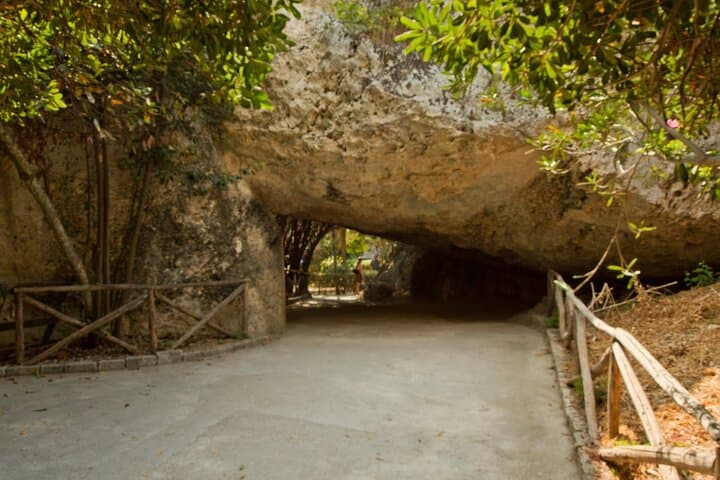
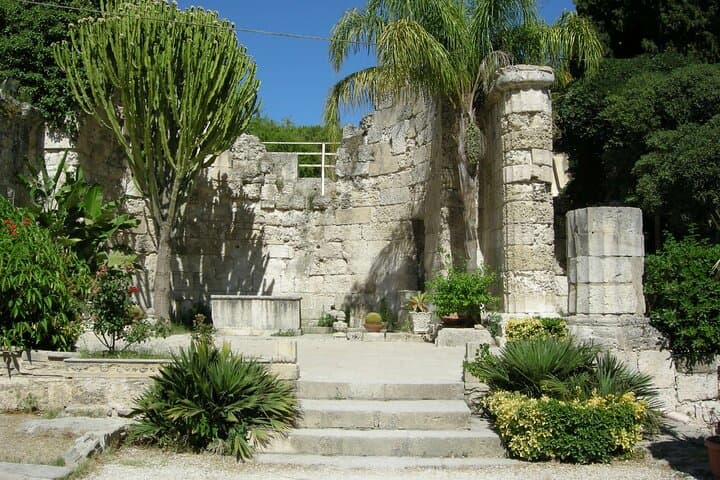
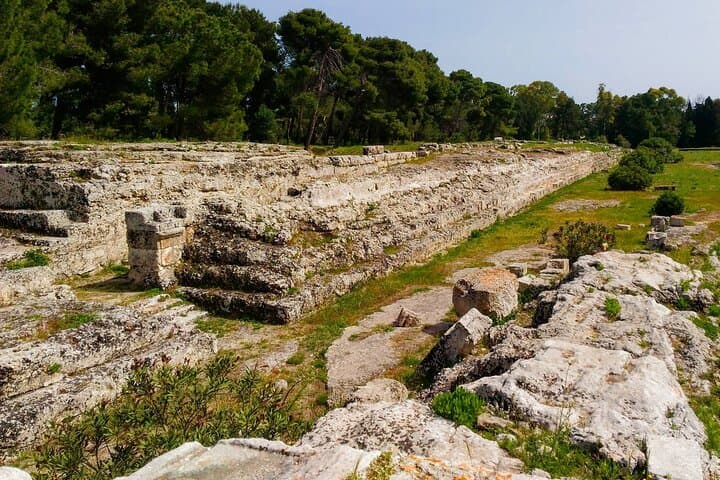
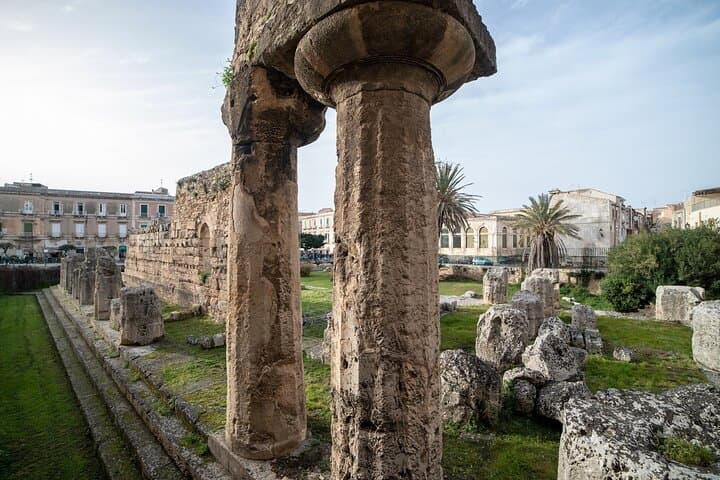
You step through the worn gate of Neapolis and stone breathes around you — a Greek theatre cupping the city’s voice, a Roman amphitheater carved into the limestone, and the salt air of the Ionian nudging you toward Ortigia.
You step through the worn gate of Neapolis and stone breathes around you — a Greek theatre cupping the city’s voice, a Roman amphitheater carved into the limestone, and the salt air of the Ionian nudging you toward Ortigia.
The route threads classical ruins and baroque squares: the open-air Archaeological Park preserves theaters and quarries that reveal Syracuse’s role as a Greek powerhouse; Ortigia’s Piazza Duomo flips the script into medieval and Renaissance façades built atop ancient foundations. Geology here is obvious — uplifted marine limestone and chiseled bedrock holding amphitheaters and quarries where millennia of sea and tectonics sculpted the shore.
Culturally, Syracuse is layered: Greek colonists, Roman administrators, Byzantine and Norman rulers left visible marks in stone and street plan. Local life centers on the waterfront fish markets and cafés beside Fonte Aretusa, a freshwater spring with papyrus and myths attached.
Practical guidance: the private tour runs about four hours and typically starts at Neapolis’ Via Romagnoli gate; entrance fees to monuments aren’t included so bring cash or card. Wear supportive walking shoes — pavements are uneven and often hot in summer — and allow time for photo stops at the Temple of Athena and the Duomo steps. Mornings or late afternoons avoid peak sun and crowds. If you choose the transfer option, specify language at booking.
This itinerary suits travelers who want a compact but thorough introduction to Syracuse’s ancient core, combining archaeology, urban history, and seaside atmosphere into a paced, walkable exploration.