THE ADVENTURE COLLECTIVE® · Independent discovery and booking for outdoor travel

A flexible self-guided audio and electronic walking tour through Old Nessebar’s compact, centuries-old peninsula. Follow live maps and multilingual narration to explore churches, cobbled alleys, and coastal views at your own pace.
A flexible self-guided audio and electronic walking tour through Old Nessebar’s compact, centuries-old peninsula. Follow live maps and multilingual narration to explore churches, cobbled alleys, and coastal views at your own pace.
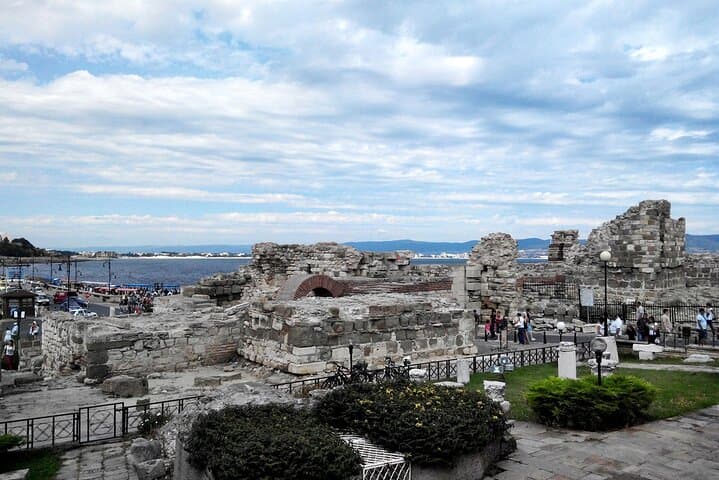
You step off the seaside promenade and the town pulls you into its narrow alleys: sun-warmed cobbles underfoot, church domes angling against a blue Black Sea, gulls arguing over the next wave. The peninsula of Old Nessebar has been a crossroads for millennia — Thracian hilltop, Greek polis Mesembria, Byzantine stronghold — and the stones still hold the different hands that built it.
Verified experiences and guided adventures in the surrounding area.
Operated by VisitBulgariaOn Bespoke Experiences · Nessebar, Burgas Province
You step off the seaside promenade and the town pulls you into its narrow alleys: sun-warmed cobbles underfoot, church domes angling against a blue Black Sea, gulls arguing over the next wave. The peninsula of Old Nessebar has been a crossroads for millennia — Thracian hilltop, Greek polis Mesembria, Byzantine stronghold — and the stones still hold the different hands that built it.
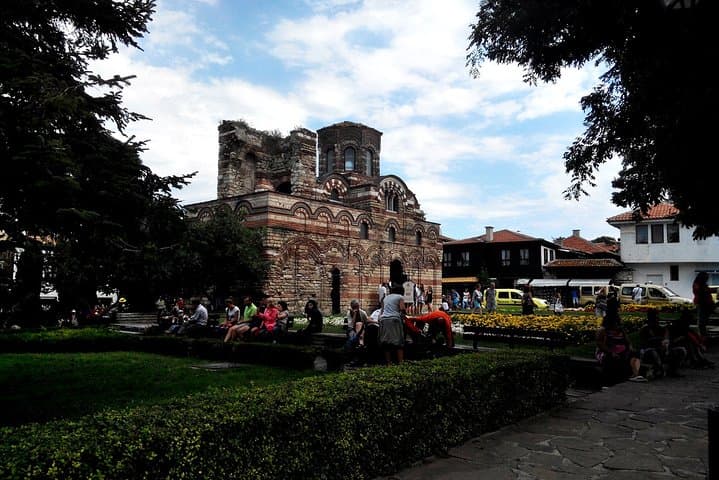
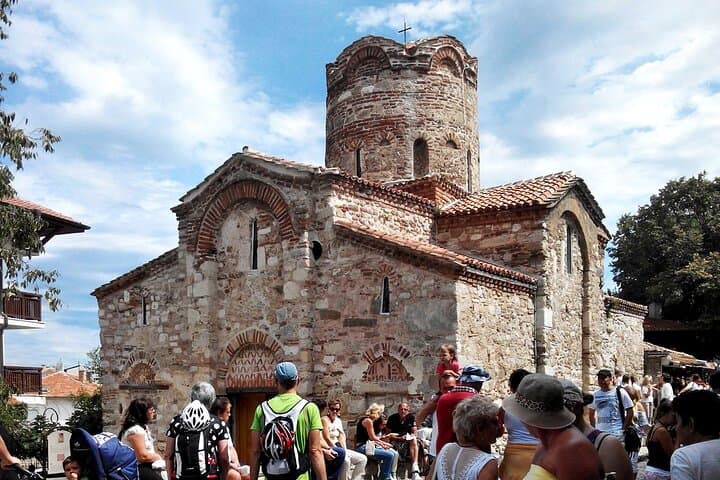
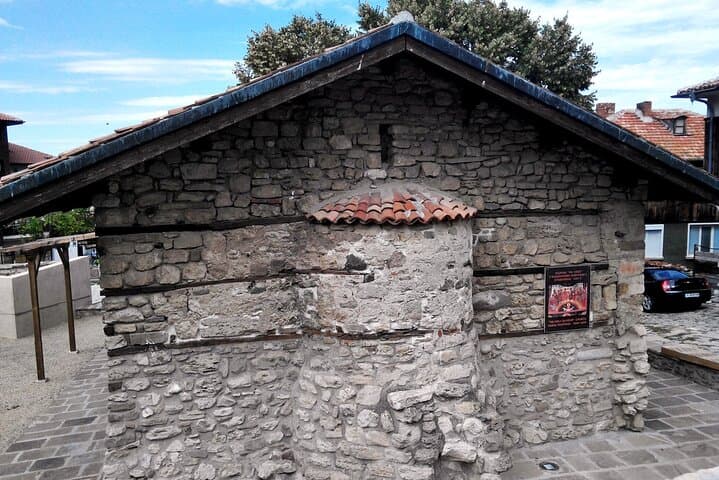
Geology and urban form are plain to read: a finger of land formed by littoral processes and underlain by coastal limestone and softer sands, shaped by sea and wind. Wooden houses with wide eaves lean over stone streets; medieval churches with frescoed interiors and intricate brickwork map the town’s Byzantine and Bulgarian phases. Local life mixes fishing boats, seaside cafés, and workshops selling icons and ceramics.
Practical guidance: the self-guided experience covers roughly 1–2 km of walking with negligible elevation gain (under 30 m), but expect uneven cobbles and short flights of stone steps. The route is compact — allow 1–6 hours depending on stops — and the guide provides live maps, audio in several languages, and logistics to walk at your own pace.
Timing matters: mornings and late afternoons offer cooler light and fewer cruise crowds. Wear sturdy shoes for traction on wet stones, carry water, and bring a charged phone for the downloaded maps. Parts of the town are wheelchair accessible, but narrow alleys and steps are unavoidable in places. Visit respectfully: preserve frescoed interiors and dodge trampling shoreline vegetation; the town asks visitors to tread lightly while the sea keeps nudging the shore forward.
easy.
1–6 hours.
Light walking fitness; suitable for people who can handle uneven ground and short stair sections
The route is designed to be flexible; most visitors spend 1–3 hours, but you can extend it to a half-day (up to 6 hours) if you linger at museums and cafes.
Some waterfront sections and principal sites have wheelchair access, but many alleys and church approaches include stairs and narrow passages—mobility varies by exact route.
Audio and electronic guides are available in English, Russian, and Bulgarian according to the product details; verify availability on booking.
Yes—Nessebar is served by local buses and taxis from Burgas and nearby resorts; the guide notes public-transport access near the entry points.
Nessebar’s layered history spans Thracian origins, Greek colonization (Mesembria), and significant Byzantine and Bulgarian medieval periods; the Old Town is a UNESCO World Heritage site for its architectural ensemble.
Conservation focuses on managing tourist pressure on fragile stonework and coastal habitats; visitors are encouraged to stick to marked paths, avoid touching frescoes, and support local conservation fees or museums.
VisitBulgariaOn Bespoke Experiences operates guided outdoor trips and adventures with an emphasis on safety, stewardship, and memorable experiences.
You step off the seaside promenade and the town pulls you into its narrow alleys: sun-warmed cobbles underfoot, church domes angling against a blue Black Sea, gulls arguing over the next wave. The peninsula of Old Nessebar has been a crossroads for millennia — Thracian hilltop, Greek polis Mesembria, Byzantine stronghold — and the stones still hold the different hands that built it.
You step off the seaside promenade and the town pulls you into its narrow alleys: sun-warmed cobbles underfoot, church domes angling against a blue Black Sea, gulls arguing over the next wave. The peninsula of Old Nessebar has been a crossroads for millennia — Thracian hilltop, Greek polis Mesembria, Byzantine stronghold — and the stones still hold the different hands that built it.
Geology and urban form are plain to read: a finger of land formed by littoral processes and underlain by coastal limestone and softer sands, shaped by sea and wind. Wooden houses with wide eaves lean over stone streets; medieval churches with frescoed interiors and intricate brickwork map the town’s Byzantine and Bulgarian phases. Local life mixes fishing boats, seaside cafés, and workshops selling icons and ceramics.
Practical guidance: the self-guided experience covers roughly 1–2 km of walking with negligible elevation gain (under 30 m), but expect uneven cobbles and short flights of stone steps. The route is compact — allow 1–6 hours depending on stops — and the guide provides live maps, audio in several languages, and logistics to walk at your own pace.
Timing matters: mornings and late afternoons offer cooler light and fewer cruise crowds. Wear sturdy shoes for traction on wet stones, carry water, and bring a charged phone for the downloaded maps. Parts of the town are wheelchair accessible, but narrow alleys and steps are unavoidable in places. Visit respectfully: preserve frescoed interiors and dodge trampling shoreline vegetation; the town asks visitors to tread lightly while the sea keeps nudging the shore forward.