THE ADVENTURE COLLECTIVE® · Independent discovery and booking for outdoor travel

Wander Al Fahidi’s lanes, cross Dubai Creek by abra and haggle through spice, textile and gold souks with a local guide. This two-hour private tour pairs history with hands-on market savvy—ideal for first-time visitors who want context and smoother bargaining.
Wander Al Fahidi’s lanes, cross Dubai Creek by abra and haggle through spice, textile and gold souks with a local guide. This two-hour private tour pairs history with hands-on market savvy—ideal for first-time visitors who want context and smoother bargaining.
Morning light slips along weathered coral-stone walls as you step into Al Fahidi’s narrow lanes, the city’s quieter heartbeat. Your guide points out wind tower houses and shaded courtyards; voices from nearby cafés and the call of shopkeepers thread through the air. The walk moves from calm alleys to the busy creekfront where a wooden abra cuts a short, lively line across Dubai Creek—water daring you to cross between two city eras.
Verified experiences and guided adventures in the surrounding area.
Operated by KEY 2 DESTINATIONS · Dubai, Dubai
Morning light slips along weathered coral-stone walls as you step into Al Fahidi’s narrow lanes, the city’s quieter heartbeat. Your guide points out wind tower houses and shaded courtyards; voices from nearby cafés and the call of shopkeepers thread through the air. The walk moves from calm alleys to the busy creekfront where a wooden abra cuts a short, lively line across Dubai Creek—water daring you to cross between two city eras.
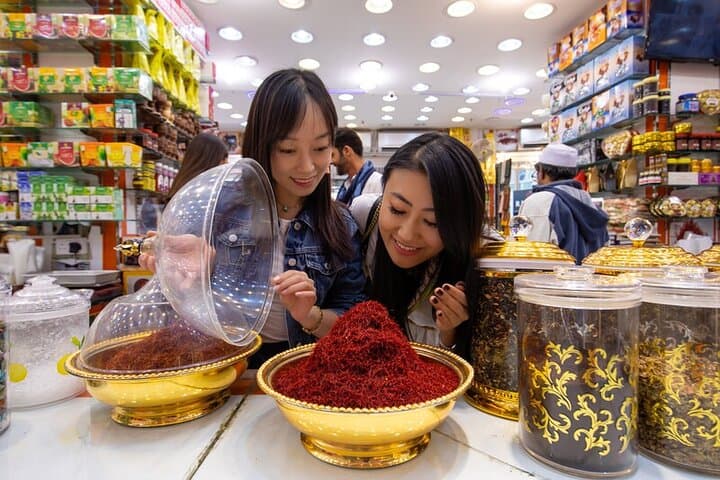
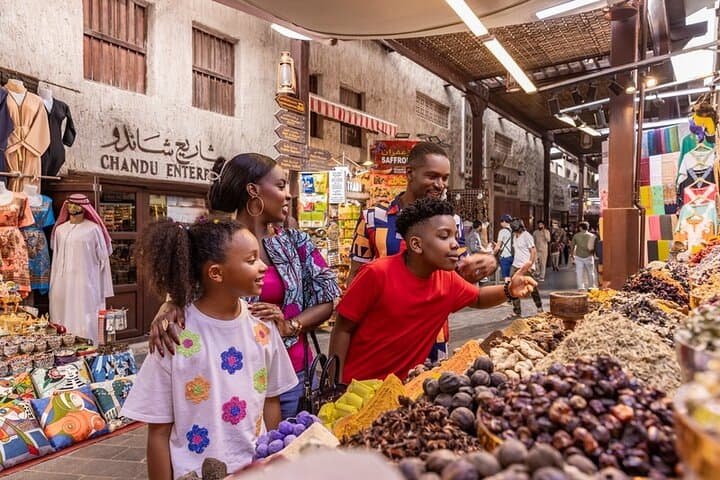
The route traces Dubai’s rise from a 19th-century fishing and pearling settlement to a regional trading hub. Geologically, the creek is a tidal inlet carved where the Arabian Gulf meets low coastal flats; culturally it’s where dhow traffic and souk commerce shaped neighborhoods on both banks. Expect marketplaces dense with color and scent—the textile rows of Bur Dubai, the spice-scented alleys of Deira and the glinting lanes of the Gold Souk—each with its own bargaining rhythm.
Practical notes: the tour lasts about two hours on mostly flat, paved streets with brief standing and walking between covered stalls. It’s wheelchair- and stroller-friendly but can be crowded; mornings or late afternoons are best for cooler temperatures and better light for photos. Carry small-denomination cash for purchases, wear breathable shoes and sun protection, and keep a refillable water bottle handy. Your guide handles logistics and bargaining tips, giving you both context and a smoother experience through these living marketplaces.
easy.
2 hours.
Minimal fitness required — expect 1–2 miles of walking on flat, paved surfaces with occasional standing.
Yes — Al Fahidi and the souks are mostly on paved, level surfaces and the tour notes wheelchair- and stroller-friendly options; let the operator know in advance for the smoothest pickup.
Absolutely — bargaining is expected in textile and spice markets; your guide can give live tips and steps to negotiate respectfully and effectively.
No — the tour includes snacks, bottled water and the abra ride; purchases at souks (spices, textiles, gold) are extra and typically paid in cash.
Photography is usually fine for general views, but ask shopkeepers before shooting close-ups of merchandise or people, especially inside small shops.
Dubai grew from fishing, pearling and creek-based trade; the Dubai Creek physically and economically linked Bur Dubai and Deira, shaping markets and settlement patterns.
Souks are active urban ecosystems—reduce single-use plastics, avoid buying products made from endangered species and follow vendor guidance to minimize waste and disturbance.
KEY 2 DESTINATIONS operates guided outdoor trips and adventures with an emphasis on safety, stewardship, and memorable experiences.
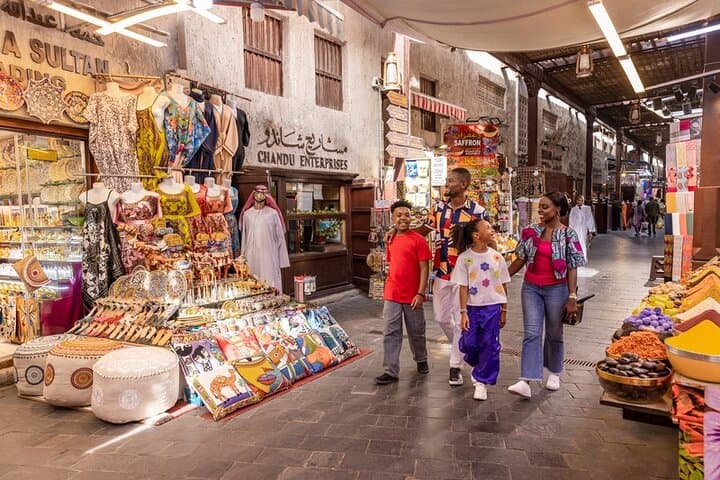
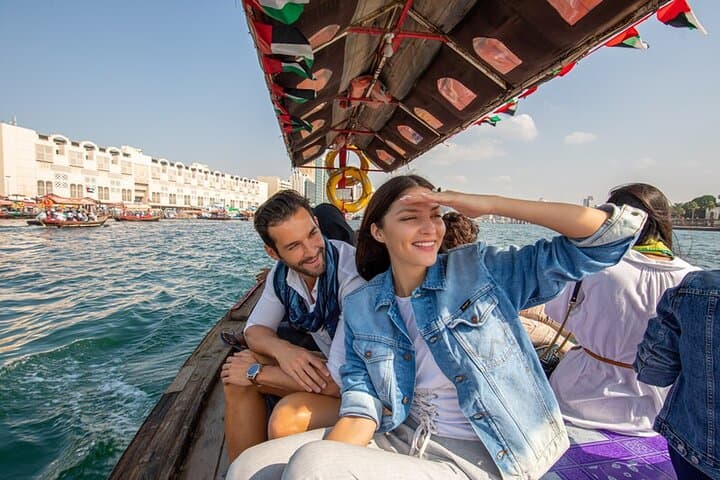
Morning light slips along weathered coral-stone walls as you step into Al Fahidi’s narrow lanes, the city’s quieter heartbeat. Your guide points out wind tower houses and shaded courtyards; voices from nearby cafés and the call of shopkeepers thread through the air. The walk moves from calm alleys to the busy creekfront where a wooden abra cuts a short, lively line across Dubai Creek—water daring you to cross between two city eras.
Morning light slips along weathered coral-stone walls as you step into Al Fahidi’s narrow lanes, the city’s quieter heartbeat. Your guide points out wind tower houses and shaded courtyards; voices from nearby cafés and the call of shopkeepers thread through the air. The walk moves from calm alleys to the busy creekfront where a wooden abra cuts a short, lively line across Dubai Creek—water daring you to cross between two city eras.
The route traces Dubai’s rise from a 19th-century fishing and pearling settlement to a regional trading hub. Geologically, the creek is a tidal inlet carved where the Arabian Gulf meets low coastal flats; culturally it’s where dhow traffic and souk commerce shaped neighborhoods on both banks. Expect marketplaces dense with color and scent—the textile rows of Bur Dubai, the spice-scented alleys of Deira and the glinting lanes of the Gold Souk—each with its own bargaining rhythm.
Practical notes: the tour lasts about two hours on mostly flat, paved streets with brief standing and walking between covered stalls. It’s wheelchair- and stroller-friendly but can be crowded; mornings or late afternoons are best for cooler temperatures and better light for photos. Carry small-denomination cash for purchases, wear breathable shoes and sun protection, and keep a refillable water bottle handy. Your guide handles logistics and bargaining tips, giving you both context and a smoother experience through these living marketplaces.