THE ADVENTURE COLLECTIVE® · Independent discovery and booking for outdoor travel

Walk the narrow lanes of Old Dubai, cross the Creek by abra, and haggle through spice, textile and gold souks with a licensed local guide. This private 3–4 hour tour blends history, tasting stops and insider access to Al Fahidi and Al Seef.
Walk the narrow lanes of Old Dubai, cross the Creek by abra, and haggle through spice, textile and gold souks with a licensed local guide. This private 3–4 hour tour blends history, tasting stops and insider access to Al Fahidi and Al Seef.
You step from an air-conditioned vehicle into the hush of early morning alleys in Bur Dubai, where wind towers and low stone houses shade narrow lanes. The Dubai Creek glints ahead; the abra water taxis bob like patient storytellers, ready to ferry you across the channel to Deira’s markets.
Verified experiences and guided adventures in the surrounding area.
Operated by Ahmed Habibi · Dubai, Dubai
You step from an air-conditioned vehicle into the hush of early morning alleys in Bur Dubai, where wind towers and low stone houses shade narrow lanes. The Dubai Creek glints ahead; the abra water taxis bob like patient storytellers, ready to ferry you across the channel to Deira’s markets.
This private walking tour threads Al Fahidi Historical Neighbourhood, the Coffee Museum and Majlis House, then crosses the creek to the spice, textile and gold souks. The Creek itself is an estuarine vein cut into alluvial flats — historically the city’s lifeline for dhow trade, pearling and the camel caravans that fed the market economy long before oil reshaped the skyline.
Architectural cues — coral-stone walls, gypsum mortar and coral lime plaster — reveal Dubai’s adaptation to its coastline and climate. Culture here is kinetic: merchants call prices, the smell of cardamom and saffron pushes through the air, and a guide’s local stories give context to souk bargaining and the region’s trading networks.
Practical guidance: plan for 3–4 hours of mostly flat walking on paved and uneven alleys; comfortable shoes and modest clothing are expected in neighborhoods and inside smaller mosques. Mornings are cooler and better for tasting dates and Arabic coffee at the markets; summer afternoons become very hot. Cash (dirhams) and small bills make purchases smoother. The private format lets you linger in a textile stall, step inside the Blue Mosque, or linger for photos along the creek. Hydrate, keep sunscreen handy, and let the abra’s gentle sway mark a different pace of Dubai — one shaped by water, trade and longtime neighborhood life.
easy.
3–4 hours.
Suitable for most fitness levels; involves several hours of low-impact walking and brief boat transfers.
The tour can include a guided step-inside experience when scheduled, but mosque access depends on opening hours and local dress requirements.
Tastings like dates and Arabic coffee are typically included; purchases at souks are optional and paid separately by you.
Many streets and transport options are wheelchair accessible, but some historic alleys may be narrow—notify your operator in advance to confirm accessibility arrangements.
Expect mostly flat walking across 2–4 kilometers over 3–4 hours with short boat transfers (abra) and time spent stationary at markets and museums.
Old Dubai grew around the natural inlet of Dubai Creek, developing as a regional trading and pearling center; Al Fahidi’s wind towers and coral-stone houses reflect pre-oil construction techniques.
The Creek and nearby mangrove projects are focal points for Dubai’s urban conservation; visitors should avoid single-use plastics and support local businesses that minimize waste.
Ahmed Habibi operates guided outdoor trips and adventures with an emphasis on safety, stewardship, and memorable experiences.
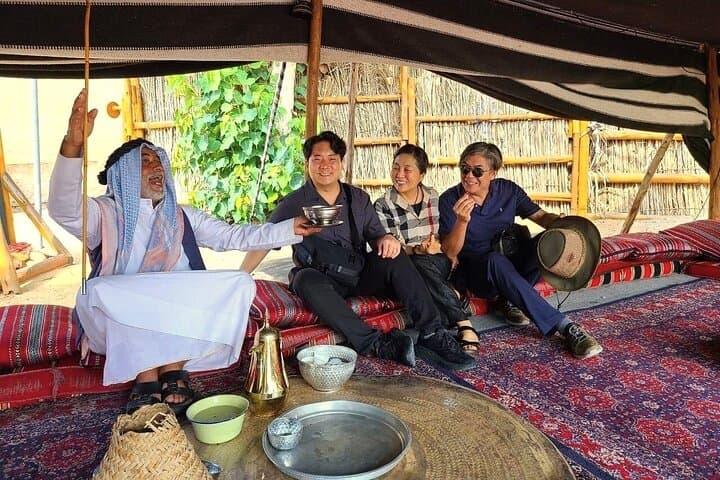

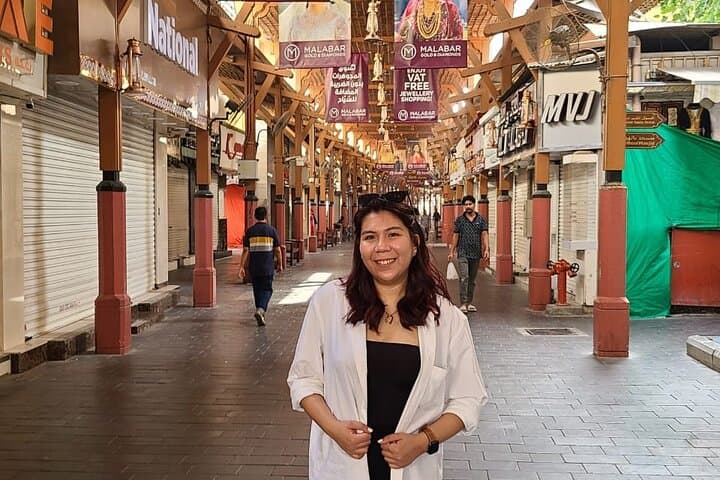
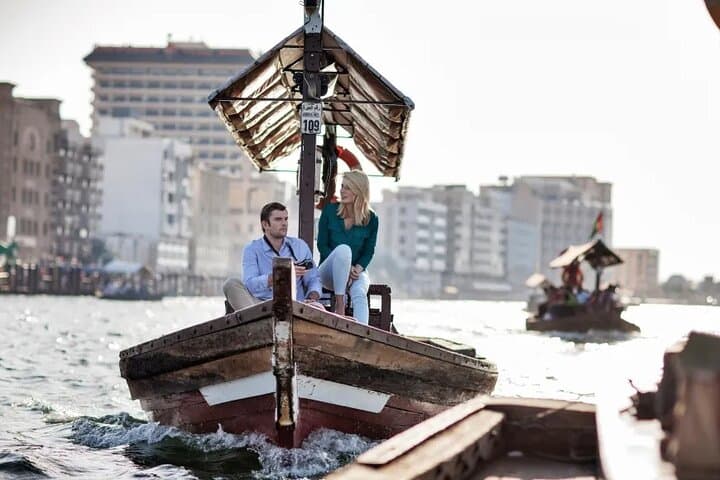
You step from an air-conditioned vehicle into the hush of early morning alleys in Bur Dubai, where wind towers and low stone houses shade narrow lanes. The Dubai Creek glints ahead; the abra water taxis bob like patient storytellers, ready to ferry you across the channel to Deira’s markets.
You step from an air-conditioned vehicle into the hush of early morning alleys in Bur Dubai, where wind towers and low stone houses shade narrow lanes. The Dubai Creek glints ahead; the abra water taxis bob like patient storytellers, ready to ferry you across the channel to Deira’s markets.
This private walking tour threads Al Fahidi Historical Neighbourhood, the Coffee Museum and Majlis House, then crosses the creek to the spice, textile and gold souks. The Creek itself is an estuarine vein cut into alluvial flats — historically the city’s lifeline for dhow trade, pearling and the camel caravans that fed the market economy long before oil reshaped the skyline.
Architectural cues — coral-stone walls, gypsum mortar and coral lime plaster — reveal Dubai’s adaptation to its coastline and climate. Culture here is kinetic: merchants call prices, the smell of cardamom and saffron pushes through the air, and a guide’s local stories give context to souk bargaining and the region’s trading networks.
Practical guidance: plan for 3–4 hours of mostly flat walking on paved and uneven alleys; comfortable shoes and modest clothing are expected in neighborhoods and inside smaller mosques. Mornings are cooler and better for tasting dates and Arabic coffee at the markets; summer afternoons become very hot. Cash (dirhams) and small bills make purchases smoother. The private format lets you linger in a textile stall, step inside the Blue Mosque, or linger for photos along the creek. Hydrate, keep sunscreen handy, and let the abra’s gentle sway mark a different pace of Dubai — one shaped by water, trade and longtime neighborhood life.