THE ADVENTURE COLLECTIVE® · Independent discovery and booking for outdoor travel

Walk narrow alleys and cross Dubai Creek by traditional abra on a 2–3 hour cultural tour of Al Fahidi, the Spice Souk and the Gold Souk. Learn local history, shop the markets and get practical tips for bargaining, heat management and accessible routes.
Walk narrow alleys and cross Dubai Creek by traditional abra on a 2–3 hour cultural tour of Al Fahidi, the Spice Souk and the Gold Souk. Learn local history, shop the markets and get practical tips for bargaining, heat management and accessible routes.
You step from a shaded alley into a lane of wind towers and sun-warmed plaster — the air carries cardamom and metalwork. The creek pulls at your attention; the Abra waits, its wooden hull bobbing as Dubai Creek dares you to cross and see the city from water.
Verified experiences and guided adventures in the surrounding area.
Operated by F H Tourism · Dubai, Dubai
You step from a shaded alley into a lane of wind towers and sun-warmed plaster — the air carries cardamom and metalwork. The creek pulls at your attention; the Abra waits, its wooden hull bobbing as Dubai Creek dares you to cross and see the city from water.
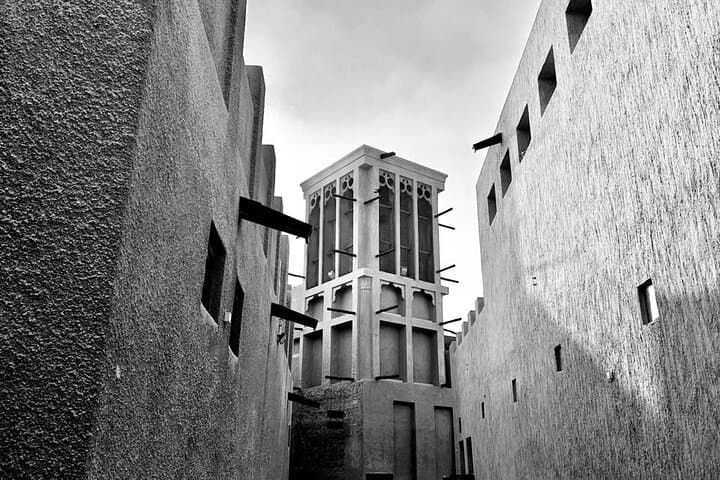
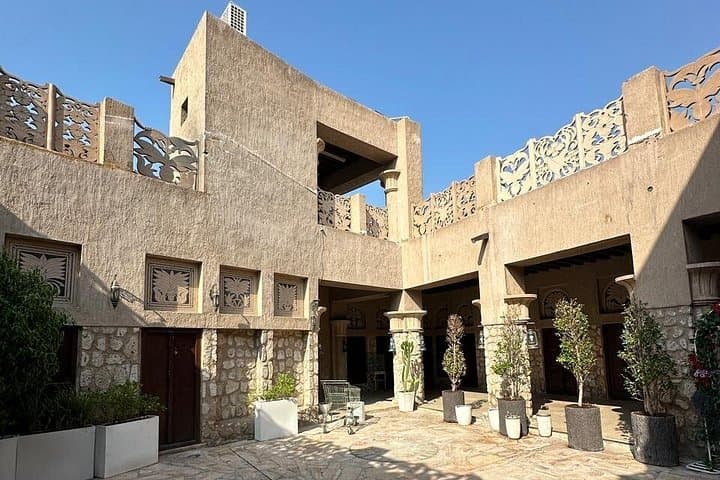
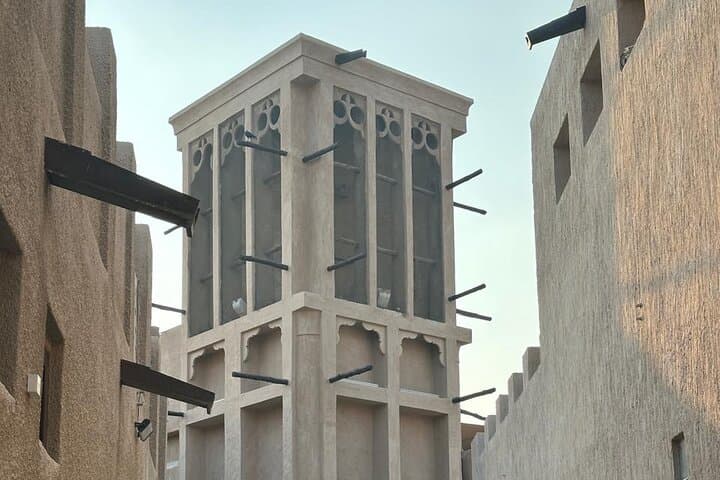
This walking tour threads through Al Fahidi (Bastakiya), one of Dubai’s oldest neighborhoods, where 19th-century merchant houses and barjeel wind-towers reveal a pre-oil urban fabric of coral, gypsum and teak. The creek’s sand-and-silt channels shaped trade routes that turned this creekside into a pearling and trading hub; the nearby Gold and Spice souks grew from that commerce. Culture here is hands-on: bargaining techniques, fragrant spice piles, and gold merchants polishing decades of craft.
Expect mostly flat, paved alleys and narrow souk aisles — minimal elevation and easy walking, though crowds and uneven thresholds can slow progress. The Abra crossing is brief but atmospheric; the creek’s current seems to push you forward toward Deira’s market energy.
Practical notes: the tour runs about 2–3 hours, suitable for most fitness levels. Wear comfortable walking shoes, sun protection and modest clothing — shoulders and knees covered are appreciated at religious sites. Carry small change for bargaining and market purchases; many stalls are cash-preferred. Aim for morning or late afternoon to avoid peak heat and to catch the best light in the alleys. A licensed guide will contextualize architecture, religion and trade — bringing historical facts alive while pointing out quieter corners like the Coffee Museum and hidden courtyard cafés.
easy.
2–3 hours.
Light walking ability; should be able to walk and stand for up to three hours on flat paved surfaces.
Yes — the traditional Abra crossing of Dubai Creek is included as part of the tour.
Yes — the tour notes indicate wheelchair accessibility for main areas, though some narrow souk alleys may be tighter than modern sidewalks.
Many souk vendors prefer cash; larger or modern shops may accept cards, so carry small notes for bargaining and purchases.
Yes — the tour is family-friendly and stroller accessible, though busy alleys can be crowded at peak times.
Al Fahidi and the Dubai Creek area were central to pearling and maritime trade from the 18th century; many merchant houses reflect Gulf trading ties with Persia and South Asia.
Dubai Creek faces pressures from urban development and boat traffic; favor responsible vendors, avoid single-use plastics and follow guide advice to reduce your footprint.
F H Tourism operates guided outdoor trips and adventures with an emphasis on safety, stewardship, and memorable experiences.
You step from a shaded alley into a lane of wind towers and sun-warmed plaster — the air carries cardamom and metalwork. The creek pulls at your attention; the Abra waits, its wooden hull bobbing as Dubai Creek dares you to cross and see the city from water.
You step from a shaded alley into a lane of wind towers and sun-warmed plaster — the air carries cardamom and metalwork. The creek pulls at your attention; the Abra waits, its wooden hull bobbing as Dubai Creek dares you to cross and see the city from water.
This walking tour threads through Al Fahidi (Bastakiya), one of Dubai’s oldest neighborhoods, where 19th-century merchant houses and barjeel wind-towers reveal a pre-oil urban fabric of coral, gypsum and teak. The creek’s sand-and-silt channels shaped trade routes that turned this creekside into a pearling and trading hub; the nearby Gold and Spice souks grew from that commerce. Culture here is hands-on: bargaining techniques, fragrant spice piles, and gold merchants polishing decades of craft.
Expect mostly flat, paved alleys and narrow souk aisles — minimal elevation and easy walking, though crowds and uneven thresholds can slow progress. The Abra crossing is brief but atmospheric; the creek’s current seems to push you forward toward Deira’s market energy.
Practical notes: the tour runs about 2–3 hours, suitable for most fitness levels. Wear comfortable walking shoes, sun protection and modest clothing — shoulders and knees covered are appreciated at religious sites. Carry small change for bargaining and market purchases; many stalls are cash-preferred. Aim for morning or late afternoon to avoid peak heat and to catch the best light in the alleys. A licensed guide will contextualize architecture, religion and trade — bringing historical facts alive while pointing out quieter corners like the Coffee Museum and hidden courtyard cafés.