THE ADVENTURE COLLECTIVE® · Independent discovery and booking for outdoor travel

Walk the lanes where Dubai began: abra rides across the creek, spice-scented market alleys, and the Al Fahidi quarter’s wind towers. This guided 4–5 hour tour blends history, hands-on shopping, and waterfront views with practical tips for timing and dress.
Walk the lanes where Dubai began: abra rides across the creek, spice-scented market alleys, and the Al Fahidi quarter’s wind towers. This guided 4–5 hour tour blends history, hands-on shopping, and waterfront views with practical tips for timing and dress.
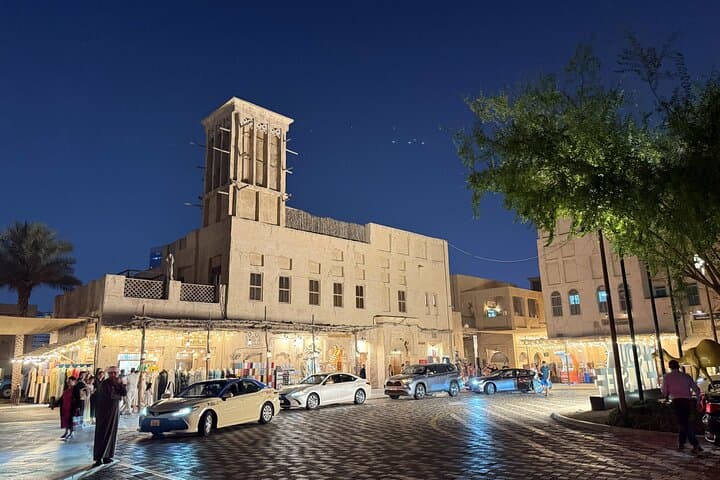
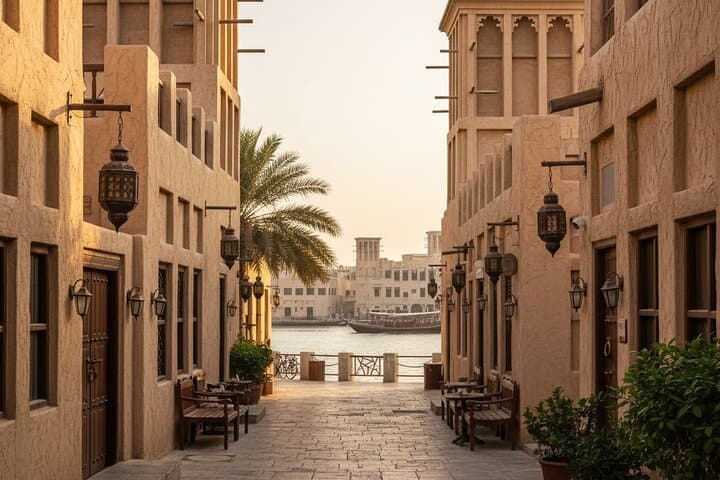
You step off the coach into a different rhythm: the creek’s tide nudges timber abras against a sun-bright quay, traders call across narrow lanes, and wind towers of the Al Fahidi neighborhood cool pockets of shade. This is Old Dubai — the working heart that fed the emirate’s rise.
Verified experiences and guided adventures in the surrounding area.
Operated by Saraye Adventure Tourism · Dubai, Dubai
You step off the coach into a different rhythm: the creek’s tide nudges timber abras against a sun-bright quay, traders call across narrow lanes, and wind towers of the Al Fahidi neighborhood cool pockets of shade. This is Old Dubai — the working heart that fed the emirate’s rise.
Historically Dubai Creek was the city’s lifeline, an estuarine inlet where pearling dhows and spice traders moored. Geologically it’s a tidal channel cut through alluvial flats, where mangroves once held the shoreline together and now frame quiet birdlife along the water. Culturally the area stitches together Emirati merchant traditions, Persian‑style wind towers, and centuries of commerce that led to the gold and spice markets you’ll walk through.
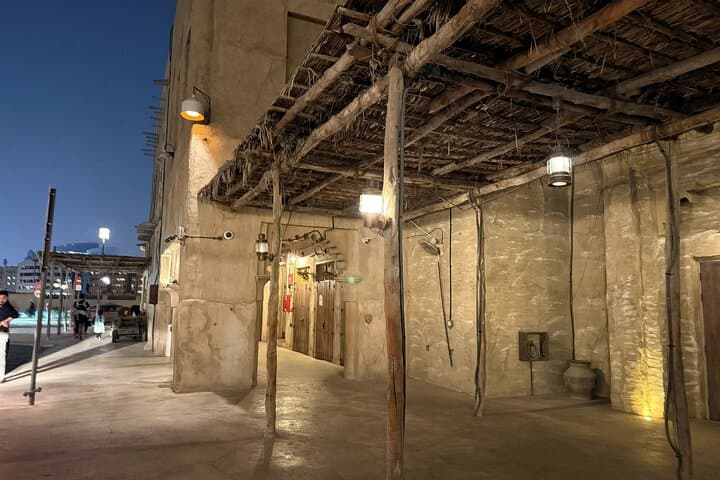
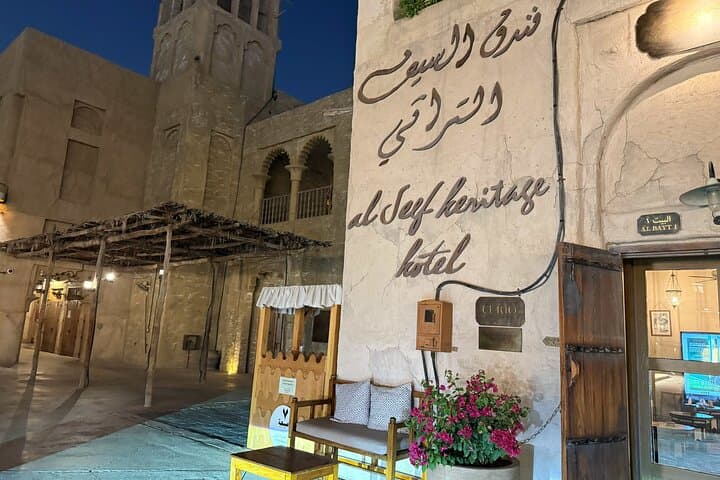
On this 4–5 hour guided circuit you’ll take an abra across the creek, pause for photos at Al Seef and the modest mosque, walk Bastakiya’s alleys to taste Arabic tea, and weave into the sensory overload of the Spice and Gold souks. The Dubai Frame offers that cinematic contrast between old and new if you opt for the entrance.
Practical guidance: mornings or late afternoons are best for heat and light; wear closed-toe walking shoes for uneven alleys and market floors. Carry small-denomination AED cash for bargaining, bring sun protection and a reusable water bottle, and keep modest clothing handy — shoulders and knees covered will make mosque visits smoother. Expect short standing periods during performances, and ask your guide about entry fees for attractions like the Frame. The route is largely flat and accessible, ideal for travelers who want compact cultural immersion with low physical demand.
easy.
4–5 hours.
Basic mobility for walking 2–4 km across flat, paved and uneven market surfaces; suitable for most fitness levels.
Some admissions are included while others, such as an internal visit to the Dubai Frame, may require an additional fee—confirm with your operator when booking.
Yes—transport and several heritage areas are wheelchair accessible, but some narrow alleys in the souks may be tight; notify the operator to plan the route.
Bargaining is common at the Spice and many shops—start lower than your target price and remain polite; fixed-price stores like some jewelry shops may not negotiate.
The itinerary includes a stop in Bastakiya near cafés and the Arabian Tea House; food is available at your own cost and makes a useful break during the tour.
Dubai Creek was the city’s original trading artery; Al Fahidi and Bastakiya were merchant quarters built by Persian and local traders in the 19th century.
The creek’s estuarine environment is sensitive—minimize single-use plastics, follow designated walkways, and respect heritage buildings to reduce tourism impact.
Saraye Adventure Tourism operates guided outdoor trips and adventures with an emphasis on safety, stewardship, and memorable experiences.
You step off the coach into a different rhythm: the creek’s tide nudges timber abras against a sun-bright quay, traders call across narrow lanes, and wind towers of the Al Fahidi neighborhood cool pockets of shade. This is Old Dubai — the working heart that fed the emirate’s rise.
You step off the coach into a different rhythm: the creek’s tide nudges timber abras against a sun-bright quay, traders call across narrow lanes, and wind towers of the Al Fahidi neighborhood cool pockets of shade. This is Old Dubai — the working heart that fed the emirate’s rise.
Historically Dubai Creek was the city’s lifeline, an estuarine inlet where pearling dhows and spice traders moored. Geologically it’s a tidal channel cut through alluvial flats, where mangroves once held the shoreline together and now frame quiet birdlife along the water. Culturally the area stitches together Emirati merchant traditions, Persian‑style wind towers, and centuries of commerce that led to the gold and spice markets you’ll walk through.
On this 4–5 hour guided circuit you’ll take an abra across the creek, pause for photos at Al Seef and the modest mosque, walk Bastakiya’s alleys to taste Arabic tea, and weave into the sensory overload of the Spice and Gold souks. The Dubai Frame offers that cinematic contrast between old and new if you opt for the entrance.
Practical guidance: mornings or late afternoons are best for heat and light; wear closed-toe walking shoes for uneven alleys and market floors. Carry small-denomination AED cash for bargaining, bring sun protection and a reusable water bottle, and keep modest clothing handy — shoulders and knees covered will make mosque visits smoother. Expect short standing periods during performances, and ask your guide about entry fees for attractions like the Frame. The route is largely flat and accessible, ideal for travelers who want compact cultural immersion with low physical demand.