THE ADVENTURE COLLECTIVE® · Independent discovery and booking for outdoor travel

Head offshore from Waikiki for a two-tank boat dive exploring Oahu’s famous wrecks. This certified-only trip pairs deep, wildlife-rich wreck dives with practical shore-side logistics and strong conservation rules.
Head offshore from Waikiki for a two-tank boat dive exploring Oahu’s famous wrecks. This certified-only trip pairs deep, wildlife-rich wreck dives with practical shore-side logistics and strong conservation rules.
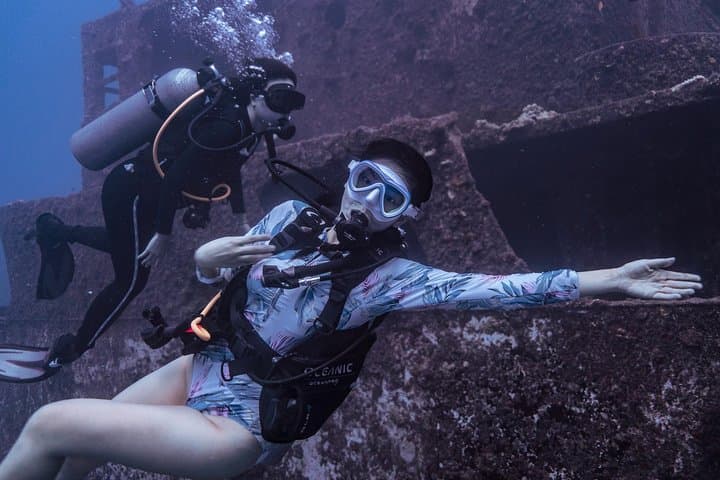
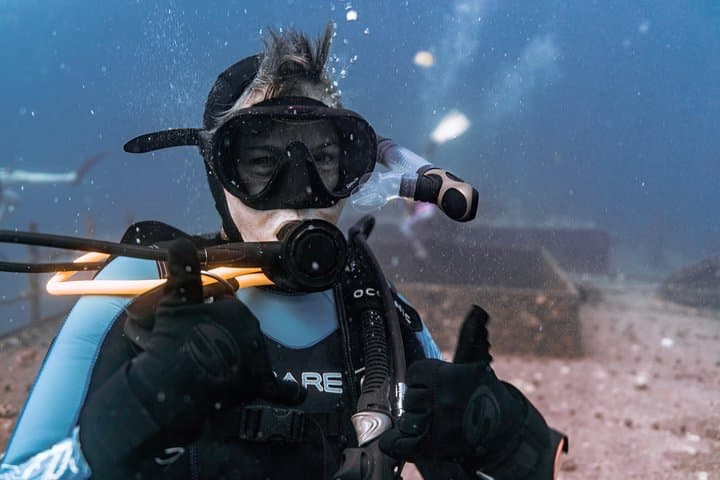
You step off the dock as the boat cuts past the white edge of Waikiki, trade-wind gusts rearranging your mask strap. The Pacific opens: a blue plain broken by the dark silhouette of steel below — the Sea Tiger, YO-257 or San Pedro waiting like an artificial reef. Salt and engine oil smell faintly of the city left behind; your regulator breathes steady in your mouth as the captain briefs the plan.
Verified experiences and guided adventures in the surrounding area.
Operated by WAIKIKI DIVE CENTER · Honolulu, Hawaii
You step off the dock as the boat cuts past the white edge of Waikiki, trade-wind gusts rearranging your mask strap. The Pacific opens: a blue plain broken by the dark silhouette of steel below — the Sea Tiger, YO-257 or San Pedro waiting like an artificial reef. Salt and engine oil smell faintly of the city left behind; your regulator breathes steady in your mouth as the captain briefs the plan.
Oahu’s wrecks date from WWII and mid-20th-century naval activity; later storms and deliberate sinkings turned steel hulks into habitats. The volcanic basalt that makes up the Hawaiian Islands created steep drop-offs and reef terraces that concentrate currents and sea life around wreck sites, so expect vertical profiles and sudden thermoclines. Local dive culture is pragmatic: strict emphasis on guide-led dives, reef protection, and conservative ascent practices.
Practically: this two-tank trip runs about five hours from Waikiki Dive Center, with dives reaching depths near 100 ft — Advanced Open Water or equivalent experience required. Boat entries, weight checks, and buddy checks are routine; bring a dive computer, and plan surface intervals carefully (no flying same day). The operator provides full scuba gear, bottled water and snacks; arrive early, present certification, and be ready to carry tanks.
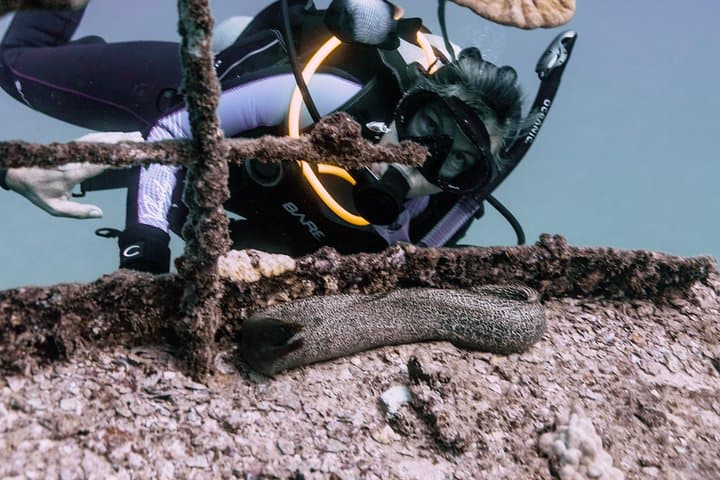
On the bottom you’ll find schooling snappers, tiger grouper, and encrusting corals colonizing steelwork. Stay close to your guide to respect protected zones and fragile invertebrates. For photographers, consider renting an underwater photographer or bringing a well-sealed housing—light is lower on deeper wreck faces. This trip combines technical depth with accessible boat logistics: a focused, high-reward day for certified divers comfortable in current and depth.
challenging.
5 hours.
Moderate to strong cardiovascular fitness and good swimming skills; must be comfortable with deep diving and boat entries.
Yes — proof of Advanced Open Water certification or equivalent deep-diving experience is required at check-in; no exceptions.
Wreck dives typically reach depths near 100 ft; exact depth varies by site and conditions so plan accordingly.
No — divers are advised to wait a minimum of 18 hours after a dive before flying to reduce decompression risk.
All required scuba equipment is included; additional items like personal masks or dive computers can be brought or rented if available.
Many Oahu wrecks were sunk or scuttled during mid-20th-century naval operations or later salvage operations and have since become artificial reefs supporting rich marine life.
Hawaiian waters are heavily regulated; divers must follow guide instructions, avoid taking marine life, and use reef-safe sunscreen to minimize impact.
WAIKIKI DIVE CENTER operates guided outdoor trips and adventures with an emphasis on safety, stewardship, and memorable experiences.

You step off the dock as the boat cuts past the white edge of Waikiki, trade-wind gusts rearranging your mask strap. The Pacific opens: a blue plain broken by the dark silhouette of steel below — the Sea Tiger, YO-257 or San Pedro waiting like an artificial reef. Salt and engine oil smell faintly of the city left behind; your regulator breathes steady in your mouth as the captain briefs the plan.
You step off the dock as the boat cuts past the white edge of Waikiki, trade-wind gusts rearranging your mask strap. The Pacific opens: a blue plain broken by the dark silhouette of steel below — the Sea Tiger, YO-257 or San Pedro waiting like an artificial reef. Salt and engine oil smell faintly of the city left behind; your regulator breathes steady in your mouth as the captain briefs the plan.
Oahu’s wrecks date from WWII and mid-20th-century naval activity; later storms and deliberate sinkings turned steel hulks into habitats. The volcanic basalt that makes up the Hawaiian Islands created steep drop-offs and reef terraces that concentrate currents and sea life around wreck sites, so expect vertical profiles and sudden thermoclines. Local dive culture is pragmatic: strict emphasis on guide-led dives, reef protection, and conservative ascent practices.
Practically: this two-tank trip runs about five hours from Waikiki Dive Center, with dives reaching depths near 100 ft — Advanced Open Water or equivalent experience required. Boat entries, weight checks, and buddy checks are routine; bring a dive computer, and plan surface intervals carefully (no flying same day). The operator provides full scuba gear, bottled water and snacks; arrive early, present certification, and be ready to carry tanks.
On the bottom you’ll find schooling snappers, tiger grouper, and encrusting corals colonizing steelwork. Stay close to your guide to respect protected zones and fragile invertebrates. For photographers, consider renting an underwater photographer or bringing a well-sealed housing—light is lower on deeper wreck faces. This trip combines technical depth with accessible boat logistics: a focused, high-reward day for certified divers comfortable in current and depth.