THE ADVENTURE COLLECTIVE® · Independent discovery and booking for outdoor travel

Interactive exhibits, live demonstrations, and maker spaces define a visit to the New York Hall of Science. Located in Flushing Meadows, the center turns big ideas—cities, ecosystems, engineering—into hands-on experiments for all ages.
Interactive exhibits, live demonstrations, and maker spaces define a visit to the New York Hall of Science. Located in Flushing Meadows, the center turns big ideas—cities, ecosystems, engineering—into hands-on experiments for all ages.
Step through the glass doors and the building changes voice: gears hum, bubbles pop, and the low roar of curious families fills the room. The New York Hall of Science puts experiments within reach—pulleys to pull, circuits to complete, and immersive projections that make systems feel immediate rather than abstract.
Verified experiences and guided adventures in the surrounding area.
Operated by New York Hall of Science · Flushing, New York
Step through the glass doors and the building changes voice: gears hum, bubbles pop, and the low roar of curious families fills the room. The New York Hall of Science puts experiments within reach—pulleys to pull, circuits to complete, and immersive projections that make systems feel immediate rather than abstract.
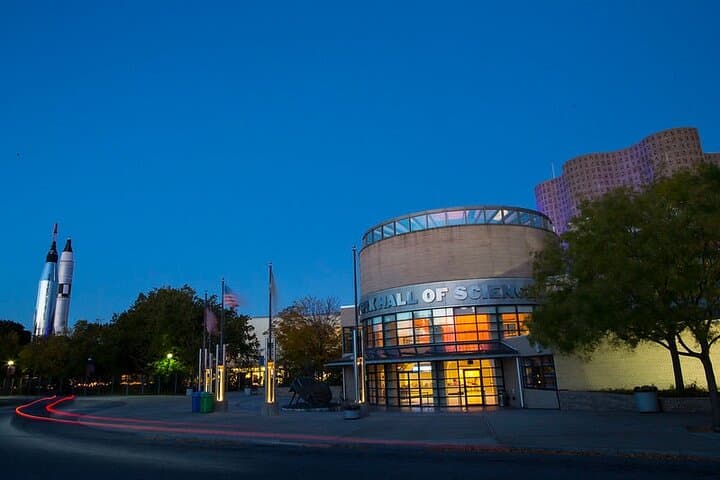
Opened as part of the 1964–65 World’s Fair, NYSCI evolved from a fair pavilion into a permanent center for informal STEM learning. Its setting in Flushing Meadows–Corona Park places the museum on a plain shaped by glacial outwash and later reworked into the geometry of the fairgrounds—the Unisphere and concrete promenades a short walk away—linking urban history to practical engineering exhibits inside.
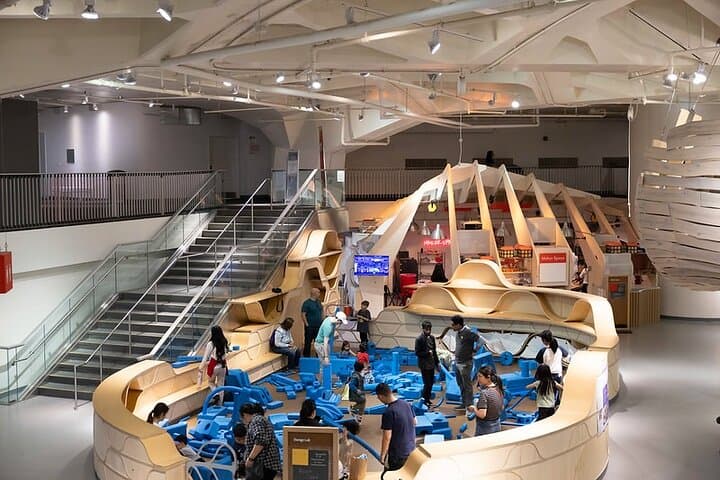
Culturally, NYSCI reflects Queens’ diversity: exhibits address city infrastructure in CityWorks, ecosystem balance in Connected Worlds, and maker culture in the Design Lab. Expect 450+ hands-on installations, live demos, seasonal exhibits, and add-ons like Rocket Park Mini Golf and 3D films.
Practical guidance: plan 1.5–3 hours; the museum is wheelchair and stroller accessible, and you redeem your ticket at Admissions for a wristband. Public transit (7 train/Mets–Willets Point) or buses serve the park; parking is available but can fill during events. Arrive mid-morning on weekdays to avoid crowds and allow kids time between demos. Bring comfortable shoes, a refillable water bottle, and a small bag for personal items. If visiting with sensory-sensitive guests, check NYSCI’s resources for quieter times and accommodations. The experience is less about passive viewing and more about touching, testing, and leaving with a small, practical sense of how things work.
easy.
2 hours.
Suitable for all ages and fitness levels; mostly standing and short walks indoors
Most visits run 1.5–3 hours depending on exhibits and add-ons like the 3D theater or mini golf.
Yes—routes, restrooms, and primary exhibits are wheelchair- and stroller-accessible; contact the museum for specific accommodations.
The museum allows snacks in designated areas and offers on-site concessions; larger groups should check current dining policies.
Enter the museum and proceed to the Admissions desk to exchange your mobile or paper ticket for a wristband or printed pass.
Founded as a pavilion at the 1964–65 World’s Fair, the Hall of Science transformed into a permanent institution focused on hands-on STEM education.
NYSCI highlights sustainability themes in exhibits like Connected Worlds; visitors are encouraged to reduce waste and use public transit to minimize park impact.
New York Hall of Science operates guided outdoor trips and adventures with an emphasis on safety, stewardship, and memorable experiences.
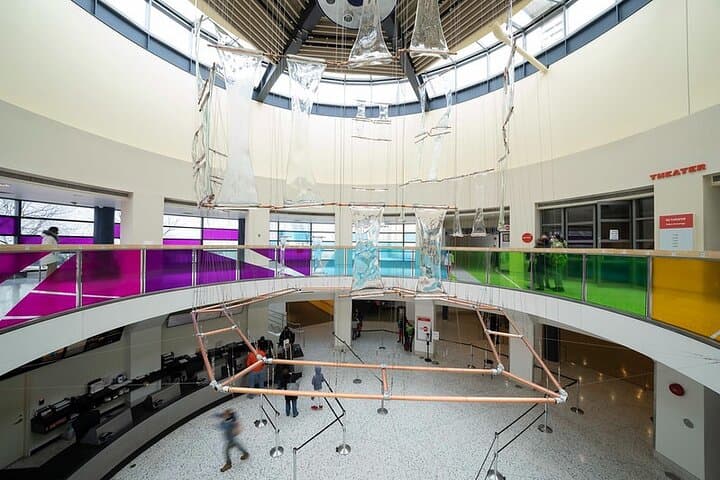

Step through the glass doors and the building changes voice: gears hum, bubbles pop, and the low roar of curious families fills the room. The New York Hall of Science puts experiments within reach—pulleys to pull, circuits to complete, and immersive projections that make systems feel immediate rather than abstract.
Step through the glass doors and the building changes voice: gears hum, bubbles pop, and the low roar of curious families fills the room. The New York Hall of Science puts experiments within reach—pulleys to pull, circuits to complete, and immersive projections that make systems feel immediate rather than abstract.
Opened as part of the 1964–65 World’s Fair, NYSCI evolved from a fair pavilion into a permanent center for informal STEM learning. Its setting in Flushing Meadows–Corona Park places the museum on a plain shaped by glacial outwash and later reworked into the geometry of the fairgrounds—the Unisphere and concrete promenades a short walk away—linking urban history to practical engineering exhibits inside.
Culturally, NYSCI reflects Queens’ diversity: exhibits address city infrastructure in CityWorks, ecosystem balance in Connected Worlds, and maker culture in the Design Lab. Expect 450+ hands-on installations, live demos, seasonal exhibits, and add-ons like Rocket Park Mini Golf and 3D films.
Practical guidance: plan 1.5–3 hours; the museum is wheelchair and stroller accessible, and you redeem your ticket at Admissions for a wristband. Public transit (7 train/Mets–Willets Point) or buses serve the park; parking is available but can fill during events. Arrive mid-morning on weekdays to avoid crowds and allow kids time between demos. Bring comfortable shoes, a refillable water bottle, and a small bag for personal items. If visiting with sensory-sensitive guests, check NYSCI’s resources for quieter times and accommodations. The experience is less about passive viewing and more about touching, testing, and leaving with a small, practical sense of how things work.