THE ADVENTURE COLLECTIVE® · Independent discovery and booking for outdoor travel

Paddle through Nusa Lembongan’s 230-hectare mangrove forest by kayak, SUP, or traditional pole-driven boat. This short, supervised outing pairs intimate wildlife viewing with a glimpse into local seaweed and boat culture.
Paddle through Nusa Lembongan’s 230-hectare mangrove forest by kayak, SUP, or traditional pole-driven boat. This short, supervised outing pairs intimate wildlife viewing with a glimpse into local seaweed and boat culture.
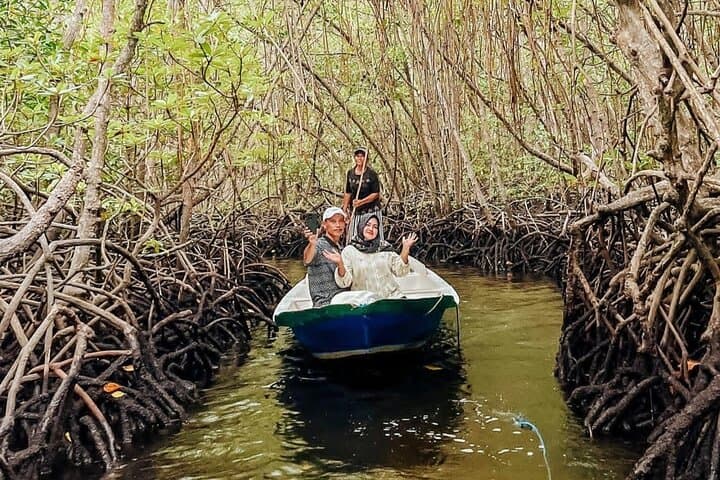
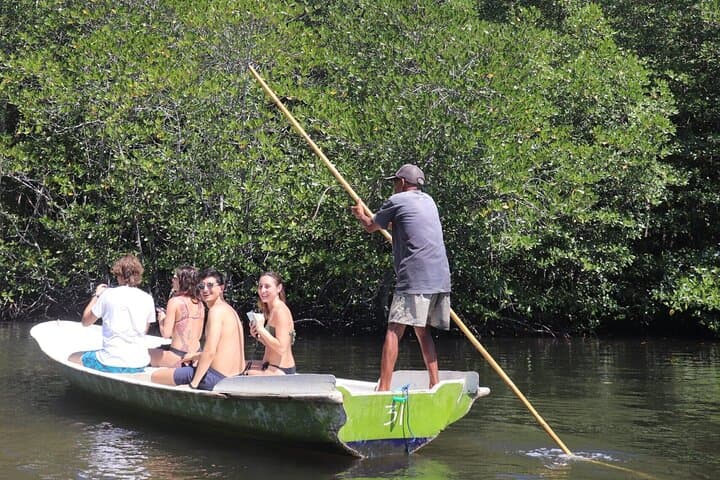
Dawn on Nusa Lembongan pushes pink light through a lattice of roots as you ease a kayak into water so clear the seaweed beds look painted. The mangrove channels narrow and widen, and the traditional boats glide without engines—pushed by a long bamboo pole—slow enough that birds will watch your passage.
Verified experiences and guided adventures in the surrounding area.
Operated by Telaga Waja River Rafting · Nusa Lembongan, Bali
Dawn on Nusa Lembongan pushes pink light through a lattice of roots as you ease a kayak into water so clear the seaweed beds look painted. The mangrove channels narrow and widen, and the traditional boats glide without engines—pushed by a long bamboo pole—slow enough that birds will watch your passage.
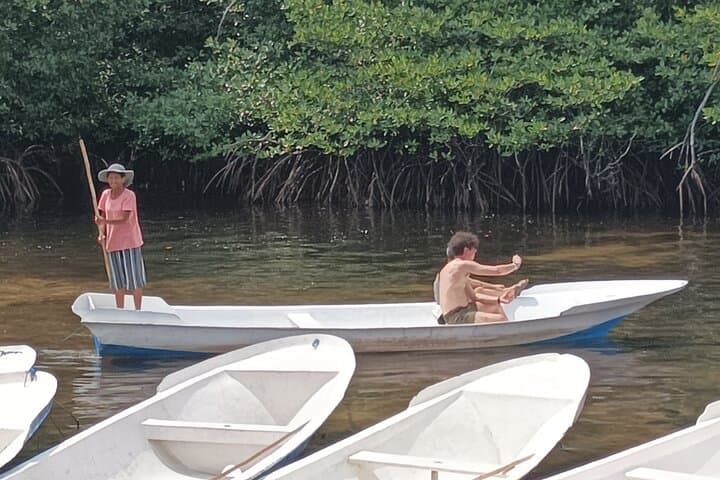
The mangrove forest around Lembongan covers roughly 230 hectares and sits on coral limestone shaped by sea and tide. These trees anchor shoreline soils and shelter a living coastline where seaweed farmers work low tides and small boats ferry harvests. Local crews still use the “megolok” pole to steer calmly through shallow channels, a practical technique born of economy and respect for fragile roots.
Geology here is straightforward: shallow reef flats and sandy channels carve pathways between mangrove stands. Culturally, the mangroves support local livelihoods—seaweed drying racks and simple boatyards punctuate the shore when the channels open.
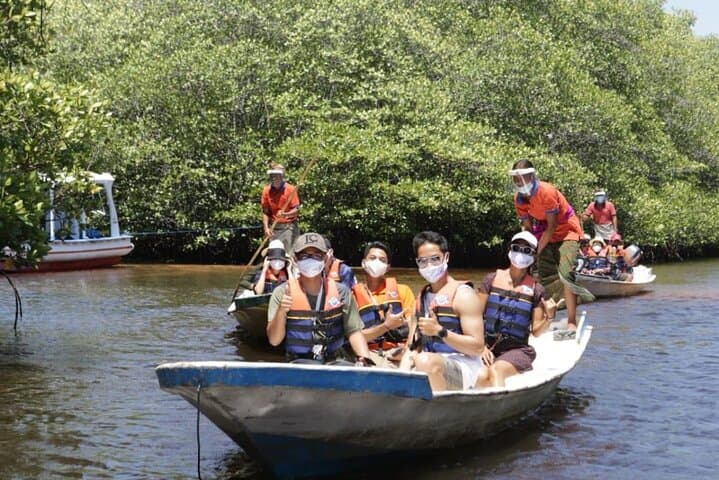
Practically, expect a mostly calm, 60–65 minute outing with options for single or double kayaks or a stand-up paddleboard. Transfers from Nusa Lembongan or the Yellow Bridge on Ceningan are typically included. Wear quick-dry clothing, reef-safe sunscreen and shoes that grip wet surfaces. Life jackets and lockers are available; staff supervise but plan conservatively if you have back or heart issues.
Timing matters: mornings are cooler and calmer; late afternoon brings more wind. Respect the roots, avoid stepping on prop roots, and keep a light footprint—these mangroves are both habitat and local protection from the sea.
easy.
60–65 minutes.
Suitable for people with basic fitness; short bursts of paddling with leisurely sections. Good balance helps for SUP.
The full experience runs about 60–65 minutes, with roughly 30 minutes on a traditional boat and up to 30 minutes for kayaking or SUP sections, depending on route choice.
No—this activity is suitable for beginners; staff provide basic instruction and life jackets, and routes stay in calm, shallow channels.
Options include 2-way hotel transfers around Nusa Lembongan and a meeting point at the Yellow Bridge for Nusa Ceningan; confirm pickup details after booking.
Yes—infants must sit on laps and participants should be able to follow safety guidance; consult the operator for age or weight restrictions.
Local communities have long combined seaweed farming and small-boat fishing; the non-motorized ‘megolok’ pole technique reflects an economy adapted to shallow, root-strewn channels.
Mangroves here stabilize the shoreline and filter run-off; visitors should avoid trampling roots, dispose of waste properly, and use reef-safe products to minimize impact.
Telaga Waja River Rafting operates guided outdoor trips and adventures with an emphasis on safety, stewardship, and memorable experiences.
Dawn on Nusa Lembongan pushes pink light through a lattice of roots as you ease a kayak into water so clear the seaweed beds look painted. The mangrove channels narrow and widen, and the traditional boats glide without engines—pushed by a long bamboo pole—slow enough that birds will watch your passage.
Dawn on Nusa Lembongan pushes pink light through a lattice of roots as you ease a kayak into water so clear the seaweed beds look painted. The mangrove channels narrow and widen, and the traditional boats glide without engines—pushed by a long bamboo pole—slow enough that birds will watch your passage.
The mangrove forest around Lembongan covers roughly 230 hectares and sits on coral limestone shaped by sea and tide. These trees anchor shoreline soils and shelter a living coastline where seaweed farmers work low tides and small boats ferry harvests. Local crews still use the “megolok” pole to steer calmly through shallow channels, a practical technique born of economy and respect for fragile roots.
Geology here is straightforward: shallow reef flats and sandy channels carve pathways between mangrove stands. Culturally, the mangroves support local livelihoods—seaweed drying racks and simple boatyards punctuate the shore when the channels open.
Practically, expect a mostly calm, 60–65 minute outing with options for single or double kayaks or a stand-up paddleboard. Transfers from Nusa Lembongan or the Yellow Bridge on Ceningan are typically included. Wear quick-dry clothing, reef-safe sunscreen and shoes that grip wet surfaces. Life jackets and lockers are available; staff supervise but plan conservatively if you have back or heart issues.
Timing matters: mornings are cooler and calmer; late afternoon brings more wind. Respect the roots, avoid stepping on prop roots, and keep a light footprint—these mangroves are both habitat and local protection from the sea.