THE ADVENTURE COLLECTIVE® · Independent discovery and booking for outdoor travel

A full-day journey through northern Grande Comore that pairs volcanic panoramas, turquoise salt lakes and seaside culture. Expect easy walks, short climbs and a memorable local lunch beneath a baobab.
A full-day journey through northern Grande Comore that pairs volcanic panoramas, turquoise salt lakes and seaside culture. Expect easy walks, short climbs and a memorable local lunch beneath a baobab.
Morning light slices across the Indian Ocean as your minivan winds north from Moroni, salt on the air and volcanic ridgelines rising like a raw map of the island’s past.
Verified experiences and guided adventures in the surrounding area.
Operated by Adore Comores · Mitsamiouli, Grande Comore
Morning light slices across the Indian Ocean as your minivan winds north from Moroni, salt on the air and volcanic ridgelines rising like a raw map of the island’s past.
The Legends of the North tour stitches together beaches, volcanic outcrops and inland lakes—places where geology and story meet. You’ll step among hardened lava and mangrove roots at Domoimboini, where black basalt meets green marsh; stand at the rim of a saline lake whose turquoise surface reflects laterite cliffs; and climb the ridgeline locals call Dragon’s Back for ocean panoramas that make the island’s volcanic origin obvious. Along the way, local artisans and guides pass down myths about the baobab and sea spirits: oral histories that explain settlement patterns and cultural ties to the sea.
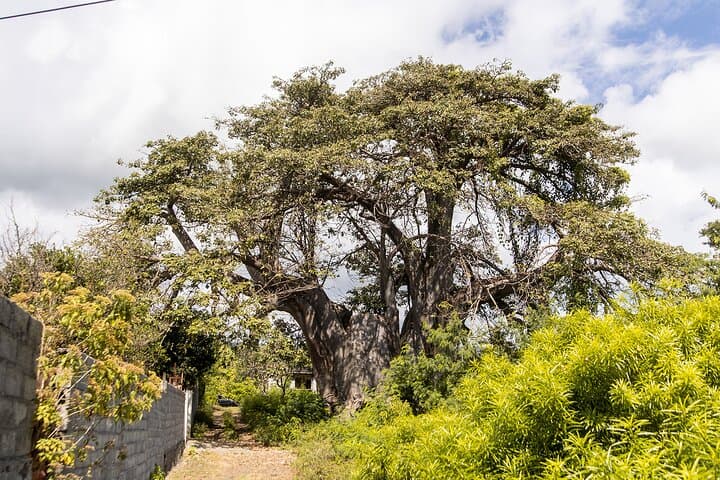
Geologically, Grande Comore is young—shield volcanoes and recent lava flows sculpt the coast and inland cliffs. Culturally, the north remains tightly connected to fishing and small-scale agriculture; lunch under a grand baobab in Mitsamiouli offers fresh seafood and a chance to meet island cooks who keep recipes unchanged for generations.
Practically: expect uneven volcanic trails, sandy beaches, and short, moderate climbs—no technical gear required but good shoes help. The full day runs about eight hours with vehicle transfers; bring sun protection, refillable water, and a light wind layer for exposed ridges. Photography windows are best in morning and late afternoon. Respect local customs—ask before photographing people—and leave no trace: these fragile coastal and mangrove habitats recover slowly when disturbed.
moderate.
8 hours.
Suitable for travelers in average physical condition who can walk short hikes (15–45 minutes) and stand on uneven ground.
The tour is approximately 8 hours and includes transport in an air-conditioned vehicle, a licensed guide, lunch, and all fees and taxes.
The tour is rated easy-to-moderate; short walks are required but the itinerary is suitable for children and those with average mobility—infants must sit on laps.
Guides on this tour typically speak English and French; local guides may also provide insights in Comorian depending on availability.
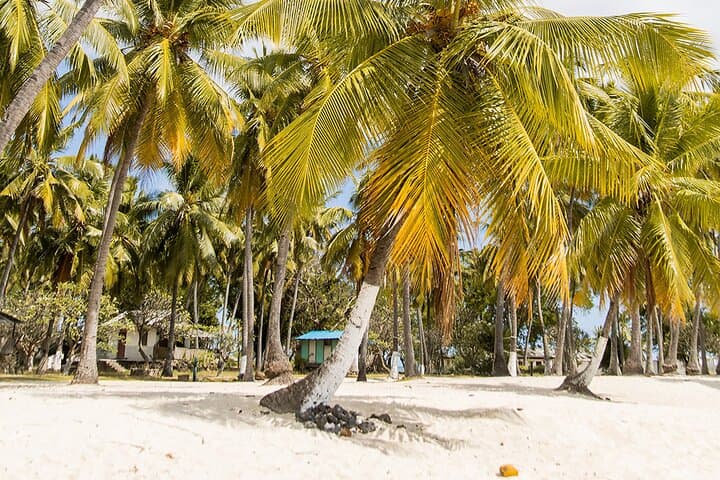
Yes—Mitsamiouli beach offers clear water for swimming and snorkeling; bring swim gear and a towel if you plan to enter the water.
Grande Comore’s coastal villages have long been part of Indian Ocean trade networks; many legends and family histories trace back to seafaring and early Swahili-Arab connections.
Mangroves and coastal reefs are sensitive—stick to marked paths, avoid disturbing nesting sites and support local guides who promote sustainable practices.
Adore Comores operates guided outdoor trips and adventures with an emphasis on safety, stewardship, and memorable experiences.


Morning light slices across the Indian Ocean as your minivan winds north from Moroni, salt on the air and volcanic ridgelines rising like a raw map of the island’s past.
Morning light slices across the Indian Ocean as your minivan winds north from Moroni, salt on the air and volcanic ridgelines rising like a raw map of the island’s past.
The Legends of the North tour stitches together beaches, volcanic outcrops and inland lakes—places where geology and story meet. You’ll step among hardened lava and mangrove roots at Domoimboini, where black basalt meets green marsh; stand at the rim of a saline lake whose turquoise surface reflects laterite cliffs; and climb the ridgeline locals call Dragon’s Back for ocean panoramas that make the island’s volcanic origin obvious. Along the way, local artisans and guides pass down myths about the baobab and sea spirits: oral histories that explain settlement patterns and cultural ties to the sea.
Geologically, Grande Comore is young—shield volcanoes and recent lava flows sculpt the coast and inland cliffs. Culturally, the north remains tightly connected to fishing and small-scale agriculture; lunch under a grand baobab in Mitsamiouli offers fresh seafood and a chance to meet island cooks who keep recipes unchanged for generations.
Practically: expect uneven volcanic trails, sandy beaches, and short, moderate climbs—no technical gear required but good shoes help. The full day runs about eight hours with vehicle transfers; bring sun protection, refillable water, and a light wind layer for exposed ridges. Photography windows are best in morning and late afternoon. Respect local customs—ask before photographing people—and leave no trace: these fragile coastal and mangrove habitats recover slowly when disturbed.