THE ADVENTURE COLLECTIVE® · Independent discovery and booking for outdoor travel

Spend a full day exploring Nizwa’s forts, bustling souq, and the ornate Jabreen Castle on an easy cultural drive from Muscat. This guided tour combines history, local crafts, and mountain scenery with practical pickup and lunch included.
Spend a full day exploring Nizwa’s forts, bustling souq, and the ornate Jabreen Castle on an easy cultural drive from Muscat. This guided tour combines history, local crafts, and mountain scenery with practical pickup and lunch included.
You arrive on a road that runs out of the city and into the shoulder of the Hajar Mountains; date palms lean over irrigation falaj channels and the air carries dust and cardamom-scented frying oil from souq stalls. Nizwa’s fortress silhouette cuts a practical, proud line against the sky — a place that once kept the interior of Oman tethered to trade and law.
Verified experiences and guided adventures in the surrounding area.
Operated by السحر العربي للسياحه Magic Arabia · Nizwa, Ad Dakhiliyah Region
You arrive on a road that runs out of the city and into the shoulder of the Hajar Mountains; date palms lean over irrigation falaj channels and the air carries dust and cardamom-scented frying oil from souq stalls. Nizwa’s fortress silhouette cuts a practical, proud line against the sky — a place that once kept the interior of Oman tethered to trade and law.
The city is one of Oman’s oldest centers of learning and commerce. Its fort, rebuilt in the 17th century, sits at the crossroads of caravan routes and at the base of the Western Hajar, whose jagged limestone slopes record millions of years of uplift and marine fossils. The souq beside the fort still trades in silver khanjars and rows of date varieties; pottery workshops in nearby villages preserve techniques that predate modern kilns.
You’ll move deliberately between stone courtyards and narrow market lanes, then drive up toward Jabreen Castle to see painted ceilings and carved wooden doors that speak to an era of patronage and scholarship. Local guides explain the falaj irrigation system and the tight link between palm groves and town prosperity.
Practicalities: the tour is an 8‑hour round trip from Muscat (about 140 km, 1.5–2 hours each way). Dress smart casual and modestly; bring sun protection, a refillable water bottle, cash for souq purchases, and your passport if required. Expect light walking on uneven surfaces and staircases inside forts. Timing mid‑morning or late afternoon reduces heat and improves photography. The day balances cultural immersion with straightforward logistics—good planning lets you focus on the quiet, wind‑brushed character of Oman’s interior.
easy.
8 hours.
Suitable for most fitness levels; involves moderate walking and stair climbing inside historic sites
The drive is about 140 km and typically takes 1.5–2 hours each way depending on traffic and stops.
Admission to Nizwa Fort and Jabreen Castle is included per the itinerary; confirm specifics with your operator at booking.
Yes—this tour is listed as suitable for all fitness levels, but children must be accompanied by an adult and parents should supervise staircases and courtyards.
Dress code is smart casual and modest—shoulders and knees covered are appropriate for visiting cultural and religious sites.
Nizwa was a political and cultural capital of Oman, famed for its mosque as a center of Islamic learning and as a strategic market town linking the interior with Muscat and Dhofar.
Water in this region is managed through ancient falaj irrigation systems—visitors should conserve water and avoid littering in markets and archaeological sites.
السحر العربي للسياحه Magic Arabia operates guided outdoor trips and adventures with an emphasis on safety, stewardship, and memorable experiences.
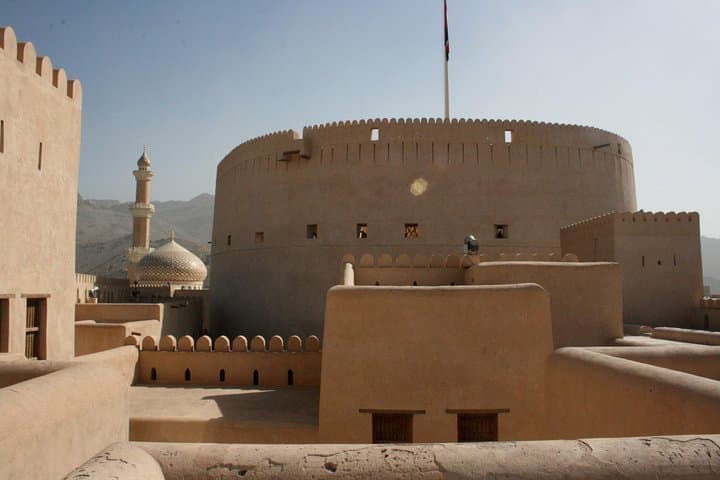
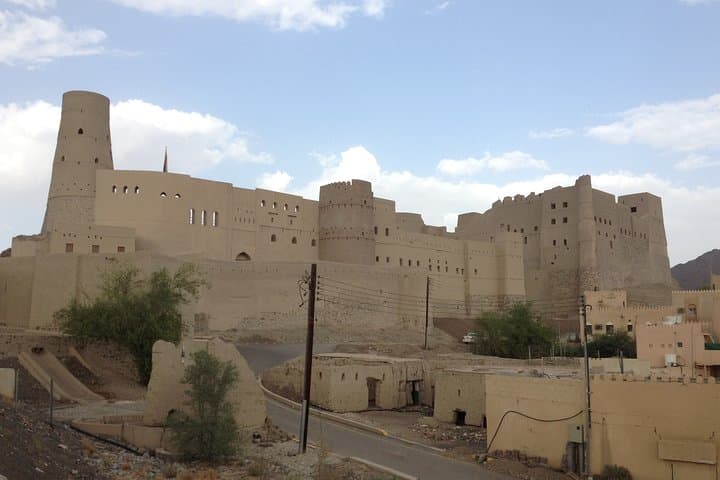
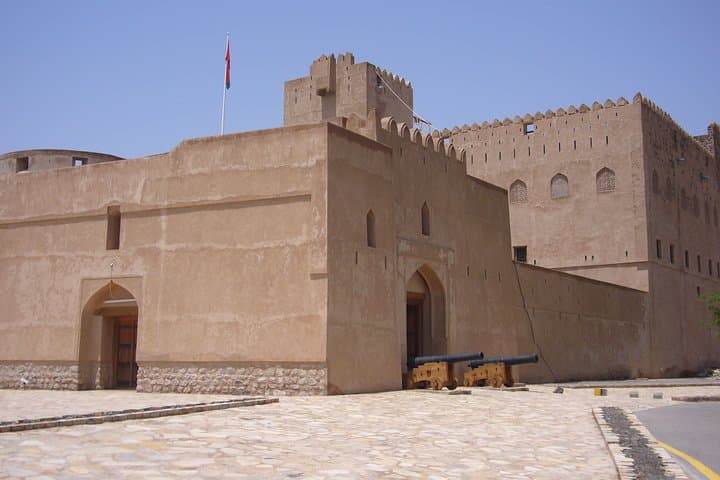
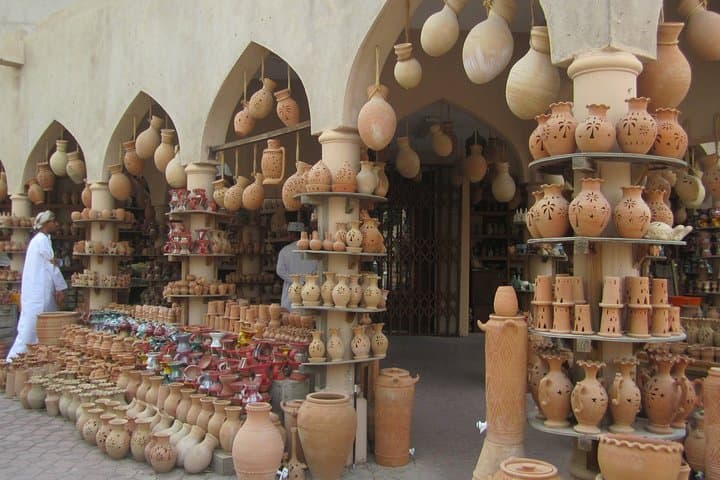
You arrive on a road that runs out of the city and into the shoulder of the Hajar Mountains; date palms lean over irrigation falaj channels and the air carries dust and cardamom-scented frying oil from souq stalls. Nizwa’s fortress silhouette cuts a practical, proud line against the sky — a place that once kept the interior of Oman tethered to trade and law.
You arrive on a road that runs out of the city and into the shoulder of the Hajar Mountains; date palms lean over irrigation falaj channels and the air carries dust and cardamom-scented frying oil from souq stalls. Nizwa’s fortress silhouette cuts a practical, proud line against the sky — a place that once kept the interior of Oman tethered to trade and law.
The city is one of Oman’s oldest centers of learning and commerce. Its fort, rebuilt in the 17th century, sits at the crossroads of caravan routes and at the base of the Western Hajar, whose jagged limestone slopes record millions of years of uplift and marine fossils. The souq beside the fort still trades in silver khanjars and rows of date varieties; pottery workshops in nearby villages preserve techniques that predate modern kilns.
You’ll move deliberately between stone courtyards and narrow market lanes, then drive up toward Jabreen Castle to see painted ceilings and carved wooden doors that speak to an era of patronage and scholarship. Local guides explain the falaj irrigation system and the tight link between palm groves and town prosperity.
Practicalities: the tour is an 8‑hour round trip from Muscat (about 140 km, 1.5–2 hours each way). Dress smart casual and modestly; bring sun protection, a refillable water bottle, cash for souq purchases, and your passport if required. Expect light walking on uneven surfaces and staircases inside forts. Timing mid‑morning or late afternoon reduces heat and improves photography. The day balances cultural immersion with straightforward logistics—good planning lets you focus on the quiet, wind‑brushed character of Oman’s interior.