THE ADVENTURE COLLECTIVE® · Independent discovery and booking for outdoor travel

Walk New York with a local who tailors the route to your interests—food, street art, history, or hidden neighborhood life. This private, unscripted tour trades checklist stops for human stories and practical local knowledge.
Walk New York with a local who tailors the route to your interests—food, street art, history, or hidden neighborhood life. This private, unscripted tour trades checklist stops for human stories and practical local knowledge.
You step off the subway and the city shifts around you: scaffolding hums, a bakery oven breathes warmth, and a Lokafyer appears with a map scribbled in shorthand. The walk begins not at a checklist of monuments but at the pace of neighborhoods, where stoops and storefronts argue gently for your attention.
Verified experiences and guided adventures in the surrounding area.
Operated by Lokafy Inc. · New York, NY
You step off the subway and the city shifts around you: scaffolding hums, a bakery oven breathes warmth, and a Lokafyer appears with a map scribbled in shorthand. The walk begins not at a checklist of monuments but at the pace of neighborhoods, where stoops and storefronts argue gently for your attention.
New York’s streets layer histories—Lenape paths, Dutch lots, and the grid imposed in 1811—over a bedrock of Manhattan schist that made the city’s vertical skyline possible. Art and immigrant culture have long remade blocks: galleries and bodegas sit side-by-side, graffiti tags sharing surnames with long-time families. Your Lokafyer will point out architectural details, the reason certain avenues tilt, and which delis still use cash only.
Expect story-led detours rather than a fixed museum route: a mural that marks a community fight, a hidden garden behind a brownstone, or a stair that locals use to cut a ten-minute walk into five. The pace is conversational, flexible, and often shaped by the weather—New York’s wind can reroute plans and the Hudson sometimes seems to pull neighborhoods toward it.
Practical guidance: choose a 2–4 hour window to avoid peak heat or rush hours; wear broken-in shoes for mixed pavement and cobbles; keep a transit card and small bills for coffee or quick museum entries; and share interests in advance so your Lokafyer can tailor the route. If you want landmark access, budget extra for entrance fees. This is local storytelling on foot—personal, adaptable, and grounded in the city’s layered realities.
easy.
2–6 hours.
Suitable for most fitness levels; you should be comfortable walking several miles with brief stops.
Yes—Lokafy can usually start from a centrally located hotel; if outside the center you’ll be advised a convenient meeting point.
No—entrance fees for museums or paid attractions are not included and must be covered by travelers and the Lokafyer if they join.
Children are welcome; kids under 3 are free, but adults must accompany minors and consider walking distances.
Tours operate in most conditions—dress appropriately; the cancellation policy requires 24+ hours for a refund.
Manhattan’s street plan and neighborhoods grew from Lenape trails and Dutch settlement into a 19th-century grid; immigrant waves shaped distinct cultural corridors.
Respect private gardens and green spaces; many small community plots rely on volunteers, and minimizing litter helps ongoing neighborhood stewardship.
Lokafy Inc. operates guided outdoor trips and adventures with an emphasis on safety, stewardship, and memorable experiences.
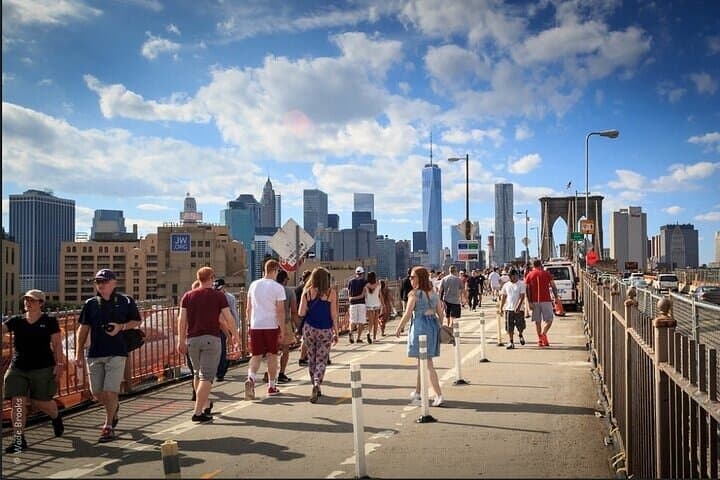
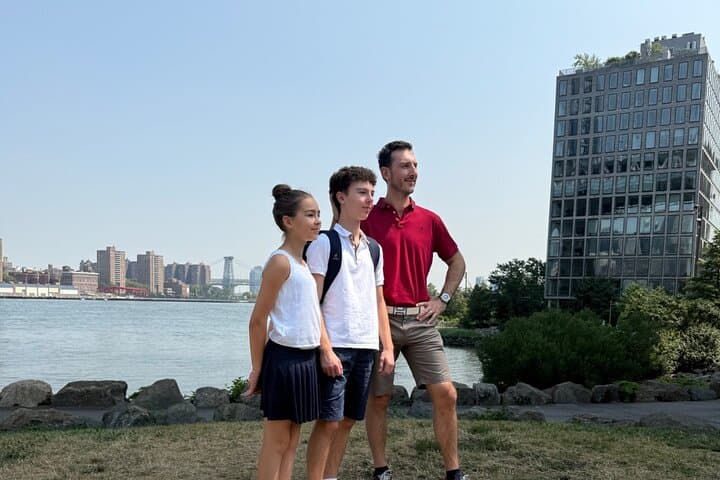
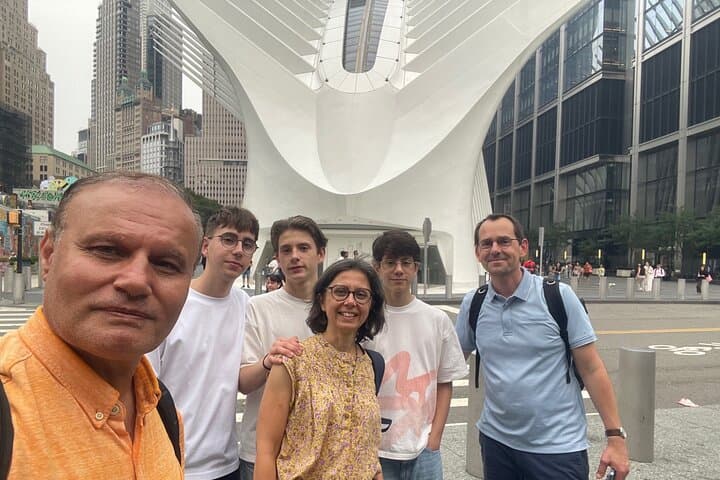
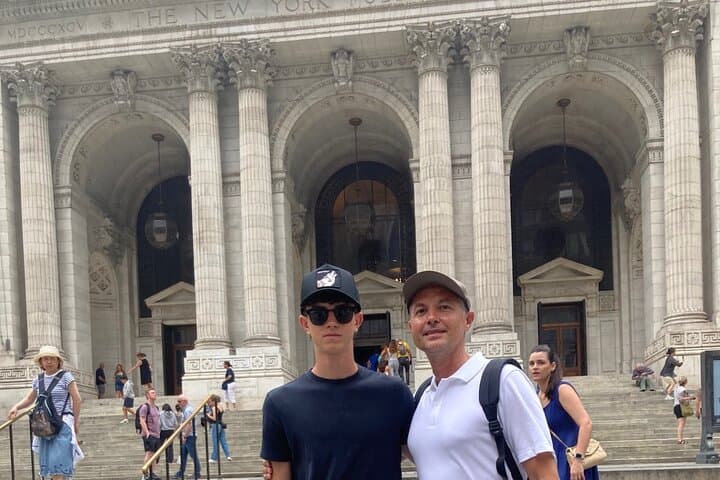
You step off the subway and the city shifts around you: scaffolding hums, a bakery oven breathes warmth, and a Lokafyer appears with a map scribbled in shorthand. The walk begins not at a checklist of monuments but at the pace of neighborhoods, where stoops and storefronts argue gently for your attention.
You step off the subway and the city shifts around you: scaffolding hums, a bakery oven breathes warmth, and a Lokafyer appears with a map scribbled in shorthand. The walk begins not at a checklist of monuments but at the pace of neighborhoods, where stoops and storefronts argue gently for your attention.
New York’s streets layer histories—Lenape paths, Dutch lots, and the grid imposed in 1811—over a bedrock of Manhattan schist that made the city’s vertical skyline possible. Art and immigrant culture have long remade blocks: galleries and bodegas sit side-by-side, graffiti tags sharing surnames with long-time families. Your Lokafyer will point out architectural details, the reason certain avenues tilt, and which delis still use cash only.
Expect story-led detours rather than a fixed museum route: a mural that marks a community fight, a hidden garden behind a brownstone, or a stair that locals use to cut a ten-minute walk into five. The pace is conversational, flexible, and often shaped by the weather—New York’s wind can reroute plans and the Hudson sometimes seems to pull neighborhoods toward it.
Practical guidance: choose a 2–4 hour window to avoid peak heat or rush hours; wear broken-in shoes for mixed pavement and cobbles; keep a transit card and small bills for coffee or quick museum entries; and share interests in advance so your Lokafyer can tailor the route. If you want landmark access, budget extra for entrance fees. This is local storytelling on foot—personal, adaptable, and grounded in the city’s layered realities.