THE ADVENTURE COLLECTIVE® · Independent discovery and booking for outdoor travel

Walk the French Quarter at your own pace with a downloadable audio and GPS map that narrates New Orleans’ music, food, and layered history. Expect 2–3 hours of walking on paved streets and cobbles with plenty of opportunities to pause for food, music, and museums.
Walk the French Quarter at your own pace with a downloadable audio and GPS map that narrates New Orleans’ music, food, and layered history. Expect 2–3 hours of walking on paved streets and cobbles with plenty of opportunities to pause for food, music, and museums.
You step off a rattling streetcar and the air changes: warm, humid, threaded with fried dough and brass. The French Quarter unfolds ahead — narrow streets, ironwork balconies, and the constant pulse of music spilling from doorways. With headphones on and a GPS map on your phone, the city becomes a living guide: voices pointing out façades, alleys, and the stories behind them.
Verified experiences and guided adventures in the surrounding area.
Operated by Citywalksz Ltd · New Orleans, Louisiana
You step off a rattling streetcar and the air changes: warm, humid, threaded with fried dough and brass. The French Quarter unfolds ahead — narrow streets, ironwork balconies, and the constant pulse of music spilling from doorways. With headphones on and a GPS map on your phone, the city becomes a living guide: voices pointing out façades, alleys, and the stories behind them.
New Orleans is a layered city. Colonial French and Spanish plans sit atop ancestral Choctaw lands; Creole culture, West African traditions and Southern trade history meet in the architecture and the music. Geologically, the Quarter rests near sea level on old Mississippi River deposits, which is why the city’s relationship with water — levees, canals, the river itself — frames so much of its story.
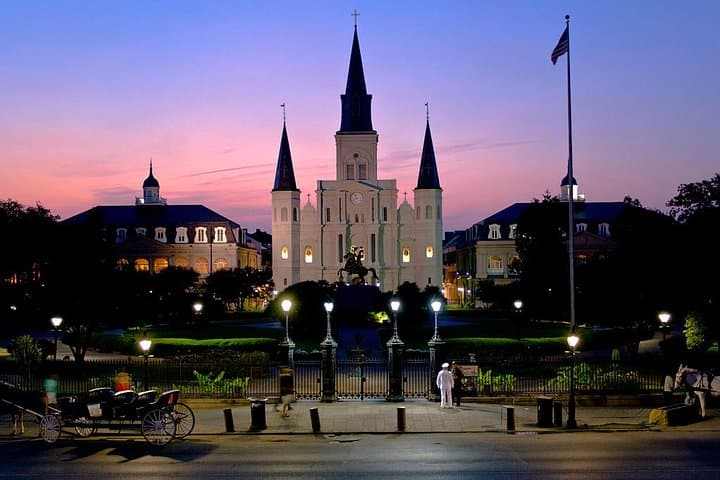
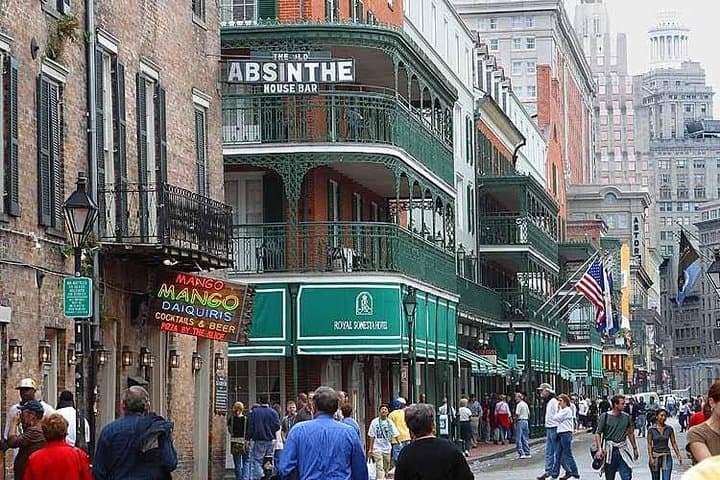
This self-guided audio route runs about 2–3 hours and covers roughly 2–3 miles on mostly paved streets and historic cobblestones; expect low elevation but uneven surfaces and occasional steps. Highlights typically include Jackson Square, St. Louis Cathedral, Bourbon Street’s frenetic stretch, and quieter courtyards where hidden histories surface. The narration points out cultural touchstones — jazz’s birthplace, Creole culinary influences, and sites of darker chapters in the city’s past — letting you pause, wander, eat, or detour to museums.
Practically: download the files and the offline map before you start, use comfortable, sturdy footwear for cobbles, and carry water — New Orleans weather can shift from bright sun to sudden downpour. Be mindful of busy streets and evening crowds; pace your listening so you notice the city’s smaller details between tracks.
easy.
2–3 hours.
Light to moderate stamina needed for 2–3 miles of walking; able to stand and climb short steps.
Yes. The tour is self-guided so you can begin and end where you like; the app and map let you jump between sections.
Generally yes for older children who can walk 2–3 hours and follow audio; consider breaks for younger kids and stop at kid-friendly sites or cafes.
No if you download the audio files and map beforehand; otherwise you’ll need a connection for streaming GPS guidance.
The French Quarter is busy at night; exercise typical urban caution, stick to well-lit streets, and avoid isolated alleys after midnight.
Founded under French and Spanish rule, the French Quarter contains colonial-era architecture and sites tied to Creole culture, jazz origins, and the port economy that shaped the city.
Tourism and tides both pressure the Quarter; support local businesses, stick to marked routes, and respect historic sites to reduce wear and promote sustainable visitation.
Citywalksz Ltd operates guided outdoor trips and adventures with an emphasis on safety, stewardship, and memorable experiences.
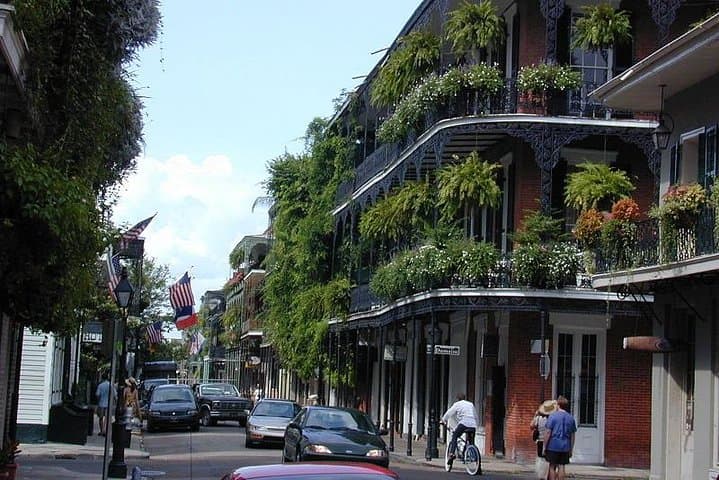
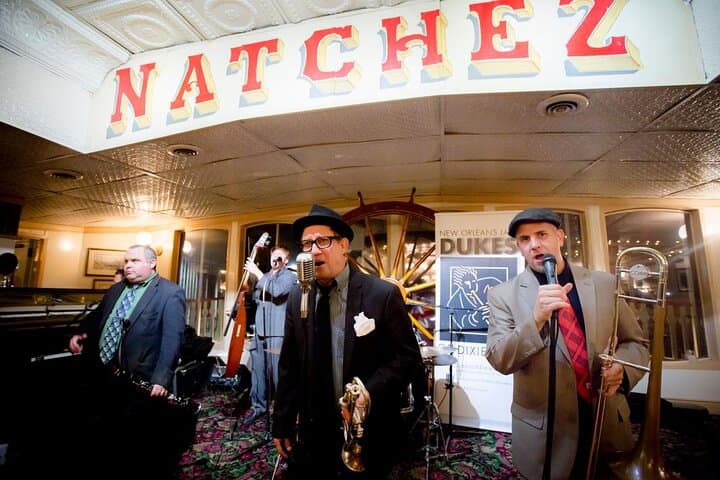
You step off a rattling streetcar and the air changes: warm, humid, threaded with fried dough and brass. The French Quarter unfolds ahead — narrow streets, ironwork balconies, and the constant pulse of music spilling from doorways. With headphones on and a GPS map on your phone, the city becomes a living guide: voices pointing out façades, alleys, and the stories behind them.
You step off a rattling streetcar and the air changes: warm, humid, threaded with fried dough and brass. The French Quarter unfolds ahead — narrow streets, ironwork balconies, and the constant pulse of music spilling from doorways. With headphones on and a GPS map on your phone, the city becomes a living guide: voices pointing out façades, alleys, and the stories behind them.
New Orleans is a layered city. Colonial French and Spanish plans sit atop ancestral Choctaw lands; Creole culture, West African traditions and Southern trade history meet in the architecture and the music. Geologically, the Quarter rests near sea level on old Mississippi River deposits, which is why the city’s relationship with water — levees, canals, the river itself — frames so much of its story.
This self-guided audio route runs about 2–3 hours and covers roughly 2–3 miles on mostly paved streets and historic cobblestones; expect low elevation but uneven surfaces and occasional steps. Highlights typically include Jackson Square, St. Louis Cathedral, Bourbon Street’s frenetic stretch, and quieter courtyards where hidden histories surface. The narration points out cultural touchstones — jazz’s birthplace, Creole culinary influences, and sites of darker chapters in the city’s past — letting you pause, wander, eat, or detour to museums.
Practically: download the files and the offline map before you start, use comfortable, sturdy footwear for cobbles, and carry water — New Orleans weather can shift from bright sun to sudden downpour. Be mindful of busy streets and evening crowds; pace your listening so you notice the city’s smaller details between tracks.