THE ADVENTURE COLLECTIVE® · Independent discovery and booking for outdoor travel

A private 12-day loop from Kathmandu through Chitwan and Pokhara that pairs temple visits with wildlife safaris and sunrise views of the Annapurna range. Expect road transfers, early mornings, and a mix of cultural immersion and natural spectacle.
A private 12-day loop from Kathmandu through Chitwan and Pokhara that pairs temple visits with wildlife safaris and sunrise views of the Annapurna range. Expect road transfers, early mornings, and a mix of cultural immersion and natural spectacle.
You step from the low hum of Kathmandu’s Durbar Square into a morning where prayer flags twitch and the city exhales incense and exhaust. Streets funnel you toward ancient temples; the Boudhanath stupa watches as buses leave for the Terai plains and the Himalayan ridgelines pull sunlight across Pokhara’s mirrored lake.
Verified experiences and guided adventures in the surrounding area.
Operated by Himalayan Circuit · Kathmandu, Bagmati Province
You step from the low hum of Kathmandu’s Durbar Square into a morning where prayer flags twitch and the city exhales incense and exhaust. Streets funnel you toward ancient temples; the Boudhanath stupa watches as buses leave for the Terai plains and the Himalayan ridgelines pull sunlight across Pokhara’s mirrored lake.
This 12-day route threads three cores of Nepal: Kathmandu’s living history of Newar architecture and Hindu-Buddhist ritual, Chitwan’s alluvial floodplain carved by the Rapti River and home to one-horned rhinoceros and tiger, and Pokhara’s lacustrine basin that gives you a front-row seat to Annapurna’s snowfields at sunrise. Geologically, you move from Kathmandu Valley’s sedimentary basin up to the uplifted thrusts of the lesser Himalaya—peaks that keep pushing the sky higher each geologic heartbeat. Culturally, expect pilgrims, tea-house hospitality, and Tharu villages in the lowlands with distinct music and craft.
Practically: this is a private, multi-leg tour with road transfers, guided safaris, and early-morning viewpoint visits; plan for long drives, variable roads, and early starts for mountain light. Hydration and sun protection matter in the dry hills; insect protection and quiet movement matter in Chitwan’s grasslands. Bring layered clothing for sharp temperature swings between river valleys and dawn on the lakeshore. Allow extra time for acclimatization to longer days on the road, and carry patience—local timetables flex. With binoculars raised and boots laced, the itinerary rewards you with living culture, close wildlife encounters, and Himalayan skylines that keep pushing you forward.
moderate.
12 days.
Moderate fitness—able to manage multiple long transfer days, short morning hikes and some uneven trails; suitable for most active travelers.
Many components are wheelchair and stroller accessible in cities according to the operator, but some safari vehicles, riverbank areas and hillside viewpoints have uneven surfaces—discuss specific mobility needs with the operator before booking.
October–November and March–May offer the best combination of clear mountain views and comfortable weather; monsoon season (June–August) brings heavy rain that can affect road travel and jungle activity.
Yes—park entrance fees and conservation charges are required for Chitwan National Park; these are typically included by tour operators but confirm before travel.
International flights are not included; most visitors obtain a Nepal visa on arrival or apply in advance—check passport validity and visa rules for your nationality.
Kathmandu Valley has been a crossroads of Newar civilization for centuries, with temples and palaces reflecting a blend of Hindu and Buddhist practice shaped by medieval Malla rulers.
Chitwan operates community-based tourism and anti-poaching patrols; visitors should stick to guided routes, avoid single-use plastics, and respect wildlife viewing distances.
Himalayan Circuit operates guided outdoor trips and adventures with an emphasis on safety, stewardship, and memorable experiences.
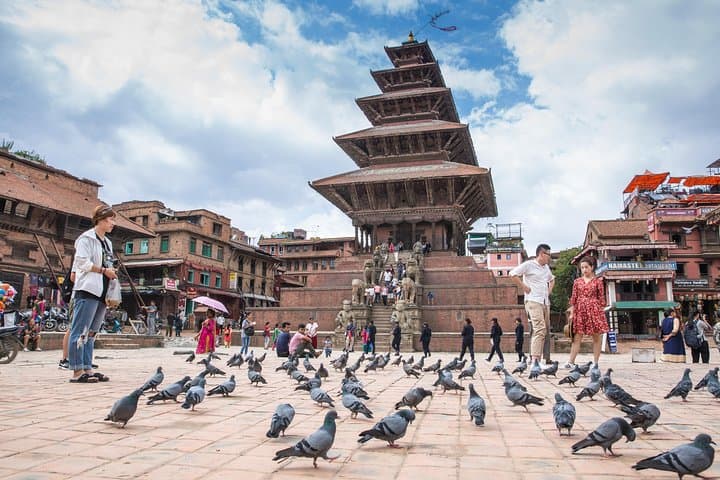
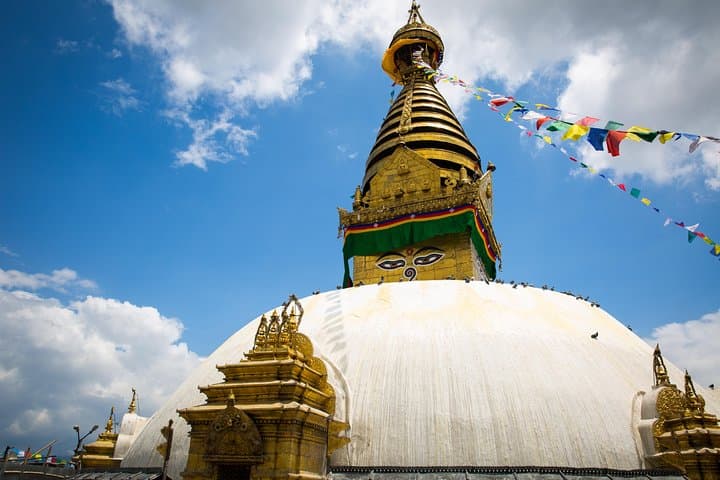
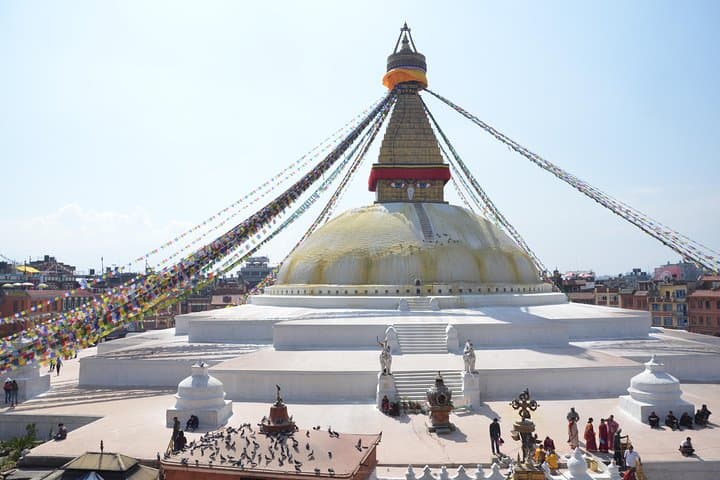
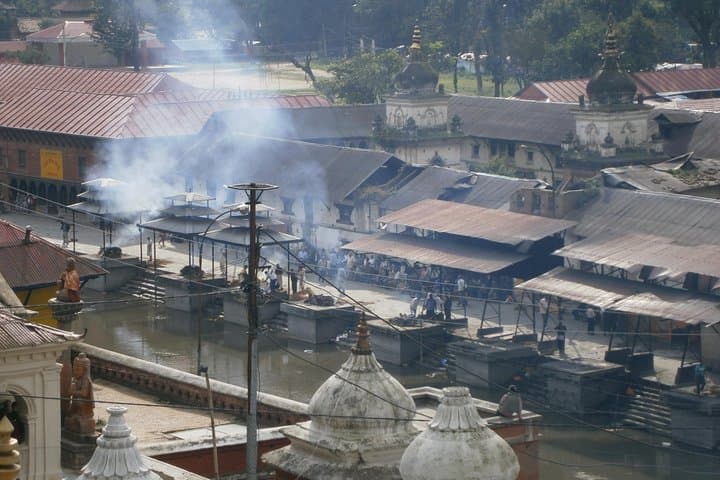
You step from the low hum of Kathmandu’s Durbar Square into a morning where prayer flags twitch and the city exhales incense and exhaust. Streets funnel you toward ancient temples; the Boudhanath stupa watches as buses leave for the Terai plains and the Himalayan ridgelines pull sunlight across Pokhara’s mirrored lake.
You step from the low hum of Kathmandu’s Durbar Square into a morning where prayer flags twitch and the city exhales incense and exhaust. Streets funnel you toward ancient temples; the Boudhanath stupa watches as buses leave for the Terai plains and the Himalayan ridgelines pull sunlight across Pokhara’s mirrored lake.
This 12-day route threads three cores of Nepal: Kathmandu’s living history of Newar architecture and Hindu-Buddhist ritual, Chitwan’s alluvial floodplain carved by the Rapti River and home to one-horned rhinoceros and tiger, and Pokhara’s lacustrine basin that gives you a front-row seat to Annapurna’s snowfields at sunrise. Geologically, you move from Kathmandu Valley’s sedimentary basin up to the uplifted thrusts of the lesser Himalaya—peaks that keep pushing the sky higher each geologic heartbeat. Culturally, expect pilgrims, tea-house hospitality, and Tharu villages in the lowlands with distinct music and craft.
Practically: this is a private, multi-leg tour with road transfers, guided safaris, and early-morning viewpoint visits; plan for long drives, variable roads, and early starts for mountain light. Hydration and sun protection matter in the dry hills; insect protection and quiet movement matter in Chitwan’s grasslands. Bring layered clothing for sharp temperature swings between river valleys and dawn on the lakeshore. Allow extra time for acclimatization to longer days on the road, and carry patience—local timetables flex. With binoculars raised and boots laced, the itinerary rewards you with living culture, close wildlife encounters, and Himalayan skylines that keep pushing you forward.