THE ADVENTURE COLLECTIVE® · Independent discovery and booking for outdoor travel

See Nara’s highlights in a five-hour private tour: Todai-ji’s Great Buddha, Nara Park’s tame sika deer, Kasuga Taisha’s lanterned paths, and the historic lanes of Naramachi. A local guide tailors the pace and cultural context for an efficient, low-effort introduction to the city.
See Nara’s highlights in a five-hour private tour: Todai-ji’s Great Buddha, Nara Park’s tame sika deer, Kasuga Taisha’s lanterned paths, and the historic lanes of Naramachi. A local guide tailors the pace and cultural context for an efficient, low-effort introduction to the city.
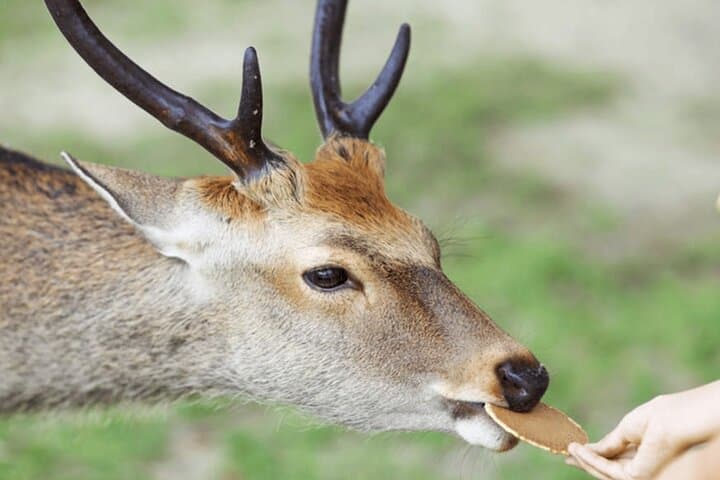
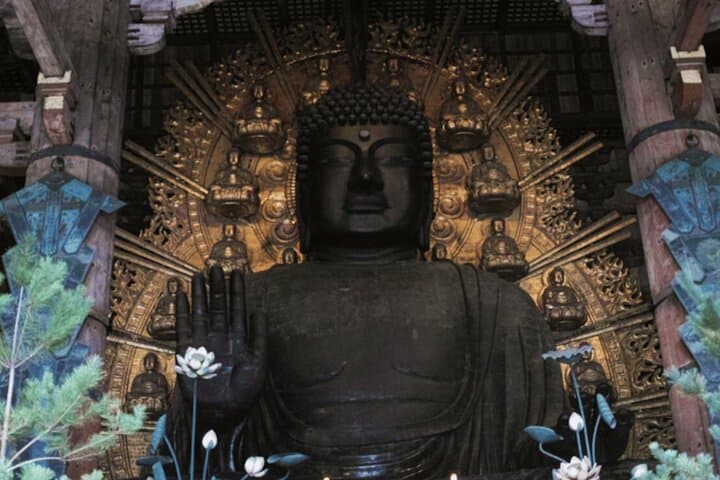
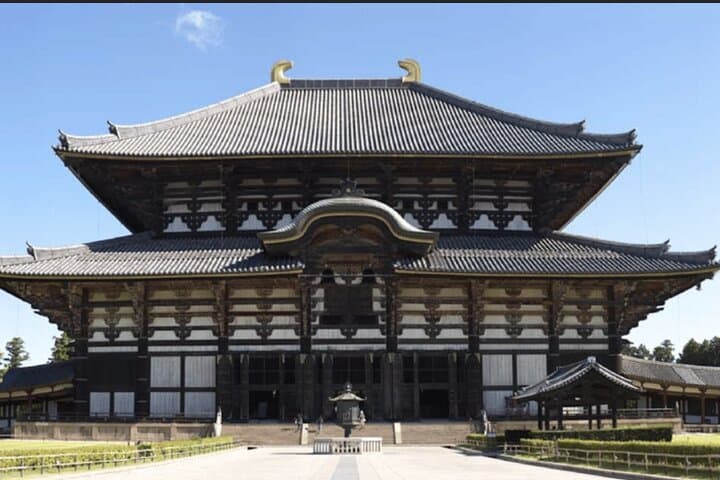
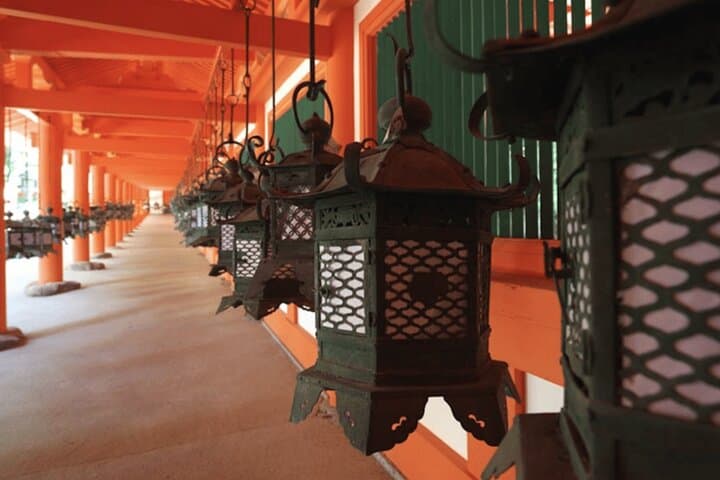
You step from a narrow street into a broad green quiet—hundreds of deer lift their heads as if expecting an introduction, and the roofline of Todai-ji rises beyond the trees. In five hours this private, customizable walk threads through Nara’s core: the Daibutsu at Todai-ji, the free-roaming sika deer of Nara Park, the lantern-lined approaches of Kasuga Taisha, the compact temple group around Kofuku-ji, and the wooden shopfronts of Naramachi.
Verified experiences and guided adventures in the surrounding area.
Operated by Travel Japan Together · Nara, Nara Prefecture
You step from a narrow street into a broad green quiet—hundreds of deer lift their heads as if expecting an introduction, and the roofline of Todai-ji rises beyond the trees. In five hours this private, customizable walk threads through Nara’s core: the Daibutsu at Todai-ji, the free-roaming sika deer of Nara Park, the lantern-lined approaches of Kasuga Taisha, the compact temple group around Kofuku-ji, and the wooden shopfronts of Naramachi.
Nara was Japan’s first permanent capital (710–794), and the city’s temples and shrines reflect an early fusion of Buddhist and Shinto practices. The area’s low hills are composed of ancient sedimentary layers; here, gardens, stone lanterns and compact streets reveal centuries of human shaping more than dramatic geology. Culture is visible in small gestures—how locals bow at shrine gates, the careful wrapping of omiyage, and the polite restraint around wildlife.
Practically: the tour is mostly flat and paved with roughly 2–4 km of walking if you visit the main points; wear supportive shoes and bring water and sun protection. Admissions are typically paid on-site (not included), and guides will advise on deer etiquette—buy only the special crackers and keep fingers flat when feeding. Public transport to Nara is frequent from Kyoto and Osaka; the private guide customizes timing to avoid peak crowds. Carry small cash for shrine donations and shop purchases, and plan for variable weather—light rain can make paths slick. This tour pairs concentrated cultural depth with easy walking, ideal for travelers who want a curated, efficient introduction to Nara.
easy.
5 hours.
Minimal fitness required; comfortable walking for several hours and occasional stairs are the main demands.
No, most temple and garden admissions are paid on-site; the private guide can advise and handle logistics but brings cash for admission if requested.
Yes—only with shika senbei sold by vendors; follow your guide’s instructions and keep hands flat to avoid accidental nips.
Much of Nara Park and the main approaches are level and accessible, but some temple grounds and older buildings have steps or uneven surfaces—check with the guide for specific accessibility needs.
Tipping is not customary in Japan; a polite thank-you or small gift is appreciated but not expected—pay attention to the guide’s local customs guidance.
Nara served as Japan’s capital during the Nara period (710–794), when many of the country’s oldest wooden temples and Buddhist art were established, shaping religious life for centuries.
Nara Park is managed to balance tourism and wildlife health—feeding is regulated and visitors are asked to follow rules to prevent habituation and keep deer healthy.
Travel Japan Together operates guided outdoor trips and adventures with an emphasis on safety, stewardship, and memorable experiences.
You step from a narrow street into a broad green quiet—hundreds of deer lift their heads as if expecting an introduction, and the roofline of Todai-ji rises beyond the trees. In five hours this private, customizable walk threads through Nara’s core: the Daibutsu at Todai-ji, the free-roaming sika deer of Nara Park, the lantern-lined approaches of Kasuga Taisha, the compact temple group around Kofuku-ji, and the wooden shopfronts of Naramachi.
You step from a narrow street into a broad green quiet—hundreds of deer lift their heads as if expecting an introduction, and the roofline of Todai-ji rises beyond the trees. In five hours this private, customizable walk threads through Nara’s core: the Daibutsu at Todai-ji, the free-roaming sika deer of Nara Park, the lantern-lined approaches of Kasuga Taisha, the compact temple group around Kofuku-ji, and the wooden shopfronts of Naramachi.
Nara was Japan’s first permanent capital (710–794), and the city’s temples and shrines reflect an early fusion of Buddhist and Shinto practices. The area’s low hills are composed of ancient sedimentary layers; here, gardens, stone lanterns and compact streets reveal centuries of human shaping more than dramatic geology. Culture is visible in small gestures—how locals bow at shrine gates, the careful wrapping of omiyage, and the polite restraint around wildlife.
Practically: the tour is mostly flat and paved with roughly 2–4 km of walking if you visit the main points; wear supportive shoes and bring water and sun protection. Admissions are typically paid on-site (not included), and guides will advise on deer etiquette—buy only the special crackers and keep fingers flat when feeding. Public transport to Nara is frequent from Kyoto and Osaka; the private guide customizes timing to avoid peak crowds. Carry small cash for shrine donations and shop purchases, and plan for variable weather—light rain can make paths slick. This tour pairs concentrated cultural depth with easy walking, ideal for travelers who want a curated, efficient introduction to Nara.