THE ADVENTURE COLLECTIVE® · Independent discovery and booking for outdoor travel

Walk Nairobi with a local: three hours of city views, post‑colonial history, matatu culture and food insights led by an experienced private guide. Ideal for first-time visitors who want context, anecdotes and accessible routes through the city center.
Walk Nairobi with a local: three hours of city views, post‑colonial history, matatu culture and food insights led by an experienced private guide. Ideal for first-time visitors who want context, anecdotes and accessible routes through the city center.
Morning in Nairobi opens with a busy rhythm: matatus horn, vendors arranging fruit, and the city’s skyline — the round Kenyatta International Conference Centre tower rising above low-slung colonial façades. On this private, three-hour walking tour a local guide leads you through streets that press history, politics and everyday life into sharp relief.
Verified experiences and guided adventures in the surrounding area.
Operated by Nicholas · Nairobi, Nairobi County
Morning in Nairobi opens with a busy rhythm: matatus horn, vendors arranging fruit, and the city’s skyline — the round Kenyatta International Conference Centre tower rising above low-slung colonial façades. On this private, three-hour walking tour a local guide leads you through streets that press history, politics and everyday life into sharp relief.
You’ll pass post‑independence monuments — including statues tied to the Mau Mau movement and leaders like Dedan Kimathi — and see sites linked to recent history, such as the area near the 1998 U.S. Embassy bombing. Nairobi sits on the high plateau of central Kenya at roughly 1,795 meters, a city shaped more by human currents than dramatic geology; still, the distant escarpments of the Great Rift Valley frame the skyline on clear days.
Culturally the walk emphasizes living traditions: explanations of the 43 ethnic groups, local marriage customs, and food staples from ugali and sukuma wiki to nyama choma. Guides mix social history and civics — from colonial-era urban planning to modern matatu culture — so you leave with context as well as directions.
Practical guidance: the route uses paved sidewalks and is wheelchair accessible, but expect city noise and occasional uneven curbs. Wear comfortable shoes, carry water and sun protection, and budget cash for small purchases and tips. Aim for morning or late afternoon to avoid Nairobi’s midday heat and busy traffic; bring questions — local guides are ready to answer them.
easy.
3 hours.
Light walking fitness; participants should be comfortable walking 2–4 km on city sidewalks.
Yes — the operator notes wheelchair and stroller accessibility and that surfaces on the route are navigable for wheelchairs.
Guides typically work in English; request language needs when booking to confirm availability.
The private tour includes a dedicated guide and private transportation between meeting points as noted in the listing; admissions to paid sites are not included unless specified.
Full refund is available if you cancel at least 24 hours before the scheduled departure; same‑day cancellations are not refundable.
Nairobi grew rapidly after being founded as a railway depot in 1899 and became Kenya’s capital in 1907; colonial planning and post‑independence development still shape the central business district.
Urban green spaces like Uhuru Park and smaller community gardens are actively managed; respect park rules and avoid littering to support local conservation efforts.
Nicholas operates guided outdoor trips and adventures with an emphasis on safety, stewardship, and memorable experiences.
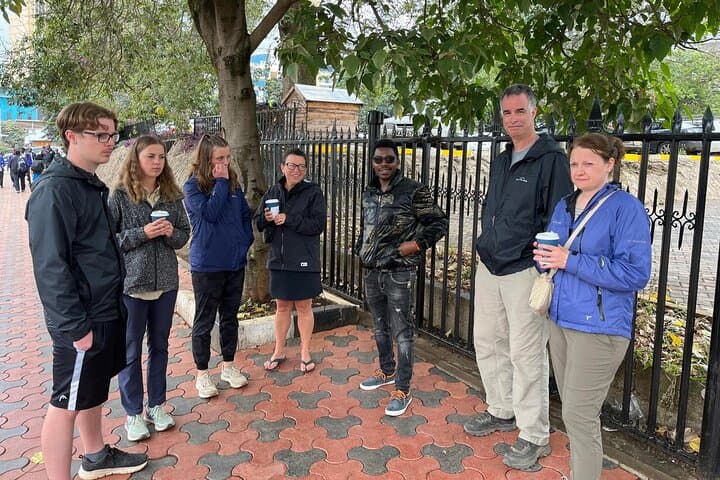
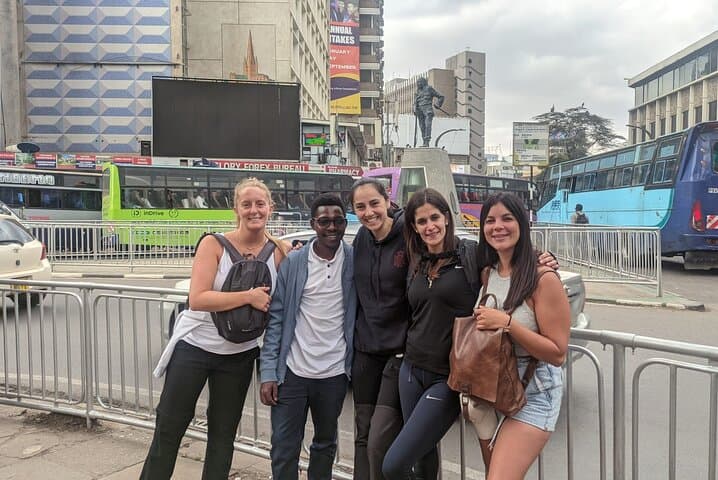


Morning in Nairobi opens with a busy rhythm: matatus horn, vendors arranging fruit, and the city’s skyline — the round Kenyatta International Conference Centre tower rising above low-slung colonial façades. On this private, three-hour walking tour a local guide leads you through streets that press history, politics and everyday life into sharp relief.
Morning in Nairobi opens with a busy rhythm: matatus horn, vendors arranging fruit, and the city’s skyline — the round Kenyatta International Conference Centre tower rising above low-slung colonial façades. On this private, three-hour walking tour a local guide leads you through streets that press history, politics and everyday life into sharp relief.
You’ll pass post‑independence monuments — including statues tied to the Mau Mau movement and leaders like Dedan Kimathi — and see sites linked to recent history, such as the area near the 1998 U.S. Embassy bombing. Nairobi sits on the high plateau of central Kenya at roughly 1,795 meters, a city shaped more by human currents than dramatic geology; still, the distant escarpments of the Great Rift Valley frame the skyline on clear days.
Culturally the walk emphasizes living traditions: explanations of the 43 ethnic groups, local marriage customs, and food staples from ugali and sukuma wiki to nyama choma. Guides mix social history and civics — from colonial-era urban planning to modern matatu culture — so you leave with context as well as directions.
Practical guidance: the route uses paved sidewalks and is wheelchair accessible, but expect city noise and occasional uneven curbs. Wear comfortable shoes, carry water and sun protection, and budget cash for small purchases and tips. Aim for morning or late afternoon to avoid Nairobi’s midday heat and busy traffic; bring questions — local guides are ready to answer them.