THE ADVENTURE COLLECTIVE® · Independent discovery and booking for outdoor travel

A walk through Muang Boran compresses centuries of Thai architecture into one sprawling outdoor museum. This guide explains what to see, how the park reflects Thailand’s past, and practical tips for making the most of your visit.
A walk through Muang Boran compresses centuries of Thai architecture into one sprawling outdoor museum. This guide explains what to see, how the park reflects Thailand’s past, and practical tips for making the most of your visit.
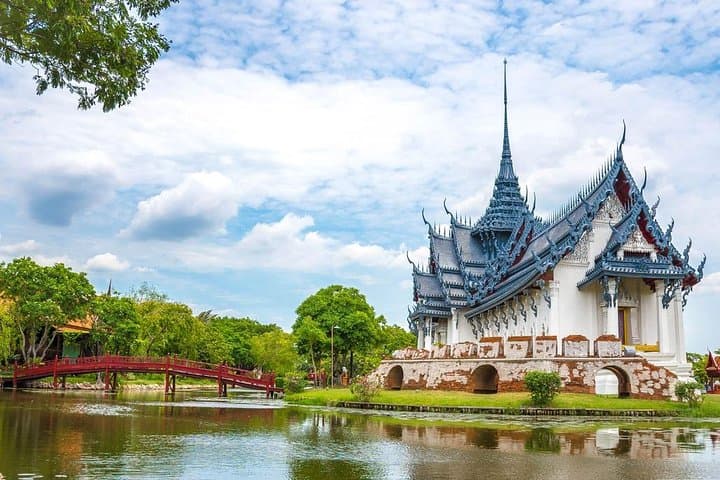
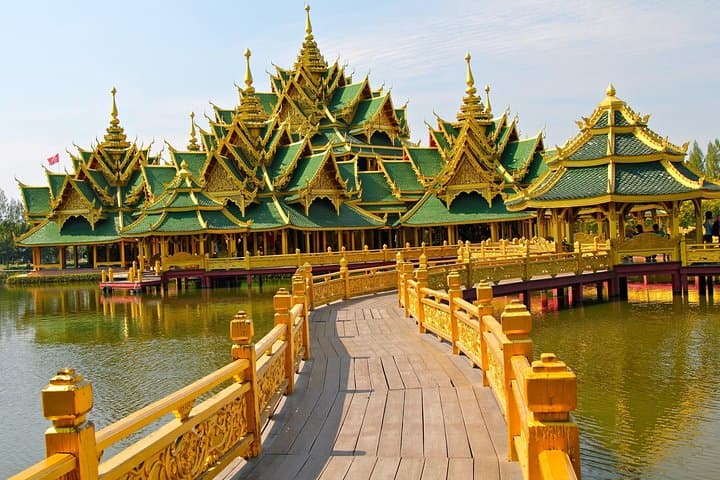
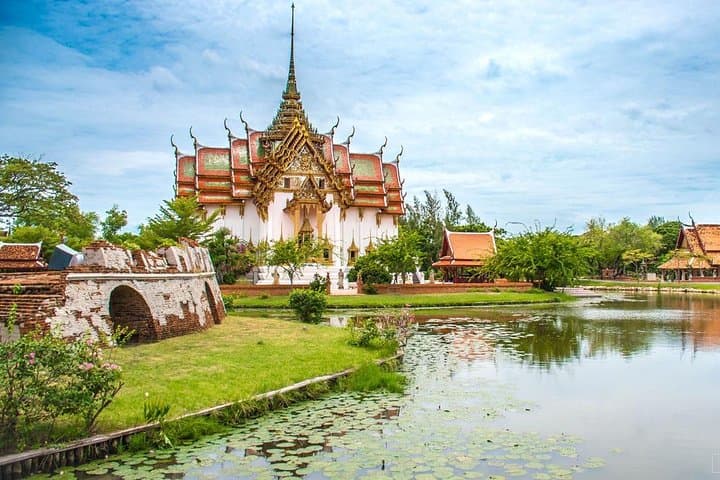
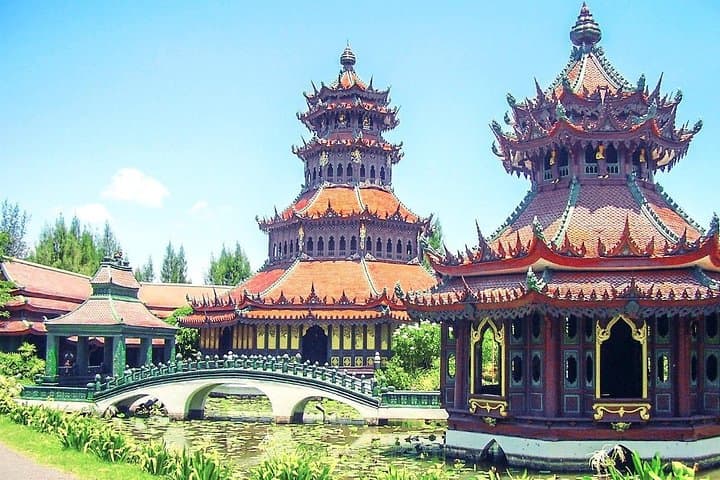
You arrive through a low gate and the road opens onto a park that refuses to stay small: roofs tilt, spires rise, and the air carries the smells of warm stone and frangipani. Walking Muang Boran (Ancient City) feels like stepping onto a condensed map of Thailand — scaled replicas and reconstructed ruins arranged across broad lawns, connected by shaded avenues and quiet canals.
Verified experiences and guided adventures in the surrounding area.
Operated by Way to Bangkok · Samut Prakan, Samut Prakan Province
You arrive through a low gate and the road opens onto a park that refuses to stay small: roofs tilt, spires rise, and the air carries the smells of warm stone and frangipani. Walking Muang Boran (Ancient City) feels like stepping onto a condensed map of Thailand — scaled replicas and reconstructed ruins arranged across broad lawns, connected by shaded avenues and quiet canals.
The site was created by Khun Lek Viriyaphant in the 20th century as a living museum of Thai architecture and history. Models and full-size reconstructions echo eras from Dvaravati and Srivijaya to Sukhothai and Ayutthaya, offering insight into regional design, religious practice, and royal patronage without a single long-distance transfer.
Geologically the park sits on the flat plains of Samut Prakan, where tidal channels and reclaimed land meet ornamental lakes; the terrain is mostly flat, with occasional raised platforms and steps to historic pavilions. Culturally, the park is both classroom and gallery — family groups, students, and photographers mix with the occasional monk pausing beneath a colonnade.
Practical guidance: allow roughly three to five hours to move between the major replicas at a steady pace; rentals for bicycles and golf carts are available on site if you want to cover more ground. Wear comfortable walking shoes and sun protection, and plan mid-morning or late afternoon visits to avoid the hottest part of the day. Bring water and a small umbrella for sun or sudden tropical showers. The site is accessible and organized, with clear signage and shaded rest areas to make exploration straightforward.
easy.
3–5 hours.
Minimal fitness required; ability to walk several kilometers over flat terrain is sufficient
Plan on 3–5 hours to see the main replicas at a steady pace; renting a bike or cart shortens travel time if you want to cover the entire 240-acre site.
Yes — paths are mostly flat and stroller-friendly, with shaded rest areas; carts and benches make it accessible for slower-paced visits.
Guided options and on-site staff provide orientation; many visitors use printed maps provided at the entrance or join a guided tour for deeper historical context.
Yes — there are several food stalls and a cafe serving Thai snacks and drinks, though options are spread out so bring water for longer walks.
Muang Boran was developed by collector Khun Lek Viriyaphant in the 20th century to preserve and display Thailand’s architectural heritage through full-scale and scaled reconstructions.
The park manages grounds and water features to balance visitor access with preservation; visitors are asked to follow signage and avoid climbing on fragile structures.
Way to Bangkok operates guided outdoor trips and adventures with an emphasis on safety, stewardship, and memorable experiences.
You arrive through a low gate and the road opens onto a park that refuses to stay small: roofs tilt, spires rise, and the air carries the smells of warm stone and frangipani. Walking Muang Boran (Ancient City) feels like stepping onto a condensed map of Thailand — scaled replicas and reconstructed ruins arranged across broad lawns, connected by shaded avenues and quiet canals.
You arrive through a low gate and the road opens onto a park that refuses to stay small: roofs tilt, spires rise, and the air carries the smells of warm stone and frangipani. Walking Muang Boran (Ancient City) feels like stepping onto a condensed map of Thailand — scaled replicas and reconstructed ruins arranged across broad lawns, connected by shaded avenues and quiet canals.
The site was created by Khun Lek Viriyaphant in the 20th century as a living museum of Thai architecture and history. Models and full-size reconstructions echo eras from Dvaravati and Srivijaya to Sukhothai and Ayutthaya, offering insight into regional design, religious practice, and royal patronage without a single long-distance transfer.
Geologically the park sits on the flat plains of Samut Prakan, where tidal channels and reclaimed land meet ornamental lakes; the terrain is mostly flat, with occasional raised platforms and steps to historic pavilions. Culturally, the park is both classroom and gallery — family groups, students, and photographers mix with the occasional monk pausing beneath a colonnade.
Practical guidance: allow roughly three to five hours to move between the major replicas at a steady pace; rentals for bicycles and golf carts are available on site if you want to cover more ground. Wear comfortable walking shoes and sun protection, and plan mid-morning or late afternoon visits to avoid the hottest part of the day. Bring water and a small umbrella for sun or sudden tropical showers. The site is accessible and organized, with clear signage and shaded rest areas to make exploration straightforward.