THE ADVENTURE COLLECTIVE® · Independent discovery and booking for outdoor travel

Discover Thailand’s architectural history in one expansive outdoor museum. Muang Boran (Ancient City) gathers scaled replicas and reconstructed monuments across eras, perfect for a full-day, open-air cultural walk.
Discover Thailand’s architectural history in one expansive outdoor museum. Muang Boran (Ancient City) gathers scaled replicas and reconstructed monuments across eras, perfect for a full-day, open-air cultural walk.
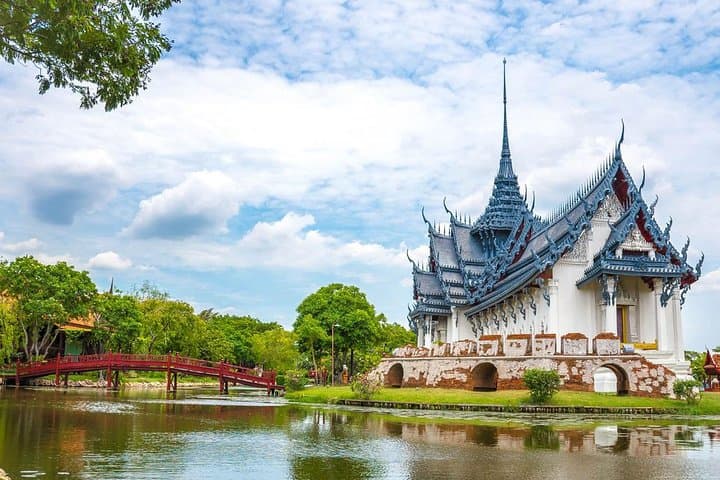
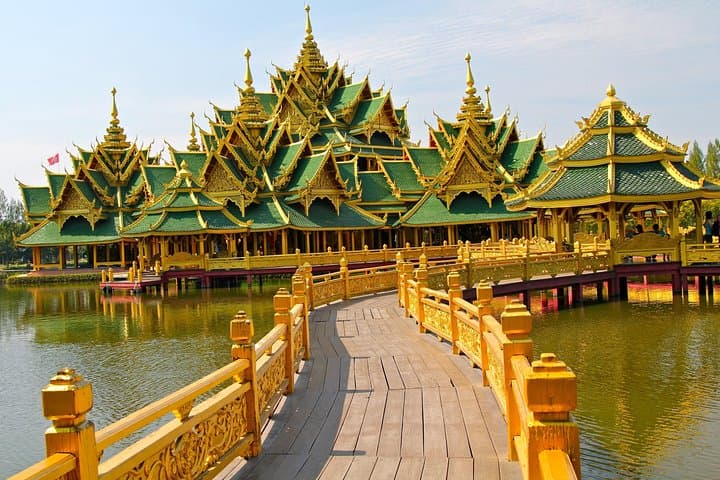
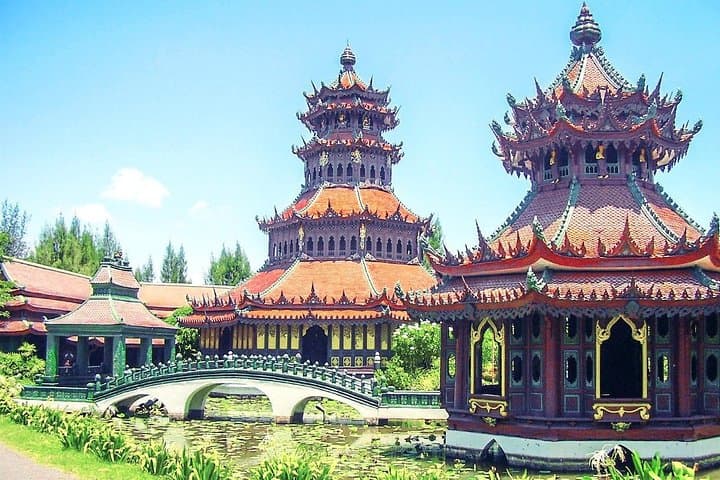
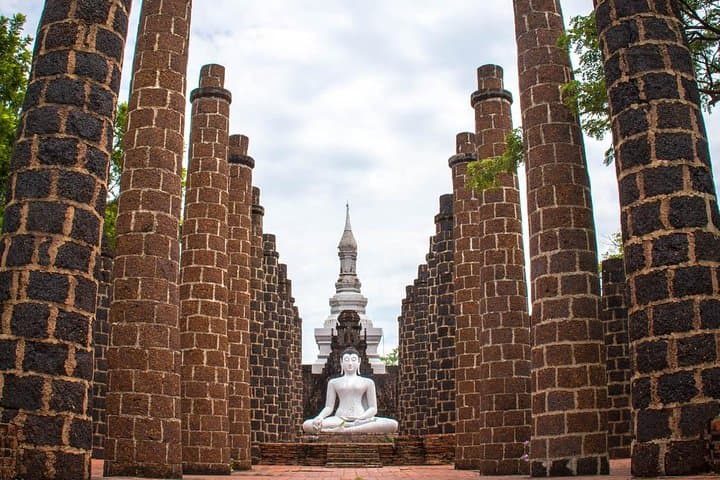
You step through a low gate and the map of Thailand unfolds beneath a wide, tropical sky: scaled temples, palace facades and ruined towers spread across lawns and canals, each structure holding a different chapter of Thai history.
Verified experiences and guided adventures in the surrounding area.
Operated by Sunleisure World · Samut Prakan, Samut Prakan
You step through a low gate and the map of Thailand unfolds beneath a wide, tropical sky: scaled temples, palace facades and ruined towers spread across lawns and canals, each structure holding a different chapter of Thai history.
Muang Boran, often called the Ancient City, was created in the 20th century by Khun Lek Viriyaphant to gather architectural landmarks from across the kingdom into one sweeping outdoor museum. The park traces eras from Dvaravati and Srivichai through Sukhothai and Ayutthaya to Rattanakosin, giving a compressed walk through centuries of Buddhist design, rooflines and stone carvings.
Geologically the site sits on the Chao Phraya delta’s flat alluvial plain, so the travel is mostly level—large ponds and canals thread the grounds and reflect high-roofed pavilions. Cultural signals are obvious: the evolution of stupa shapes, decorative naga balustrades and pavilion proportions that change from north to central Thai styles.
Practical note: the complex covers roughly 96 hectares, so plan a full day. Visitors commonly rent bicycles or electric carts to cover longer distances; there are shaded rest spots and small cafés. Photography is generous—many buildings are scaled reproductions at about one-third size, though some were reconstructed full-size.
To make the most of a visit, start early to avoid midday heat, carry water, and leave at least four to six hours if you prefer walking; longer if you want to study plaques. Public transport and parking are available; tickets accept mobile or paper. Muang Boran is both classroom and open-air walk, ideal for anyone wanting an efficient, tangible overview of Thailand’s architectural past.
easy.
6–10 hours.
Basic walking fitness; some visitors spend the day on foot but many opt for a bike or electric cart
Most visitors spend 4–6 hours walking and photographing; renting a bike or cart can reduce transit time and let you see more in 2–3 hours.
Small cafés and snack kiosks operate within the grounds, but bringing a packed lunch is fine—there are picnic-friendly areas.
Paths are generally flat and suitable for strollers; accessibility varies by structure but main routes and some buildings are accessible.
Yes—mobile or paper tickets are accepted; check opening hours (9 AM–7 PM) and cancellation terms for refunds.
The park was founded by collector Khun Lek Viriyaphant in the mid-20th century to preserve and educate about Thailand’s architectural heritage by reconstructing important buildings from across the kingdom.
The site balances public access with restoration work—visitors help by staying on paths, not climbing on structures, and avoiding litter; seasonal maintenance programs protect wooden and plaster details.
Sunleisure World operates guided outdoor trips and adventures with an emphasis on safety, stewardship, and memorable experiences.
You step through a low gate and the map of Thailand unfolds beneath a wide, tropical sky: scaled temples, palace facades and ruined towers spread across lawns and canals, each structure holding a different chapter of Thai history.
You step through a low gate and the map of Thailand unfolds beneath a wide, tropical sky: scaled temples, palace facades and ruined towers spread across lawns and canals, each structure holding a different chapter of Thai history.
Muang Boran, often called the Ancient City, was created in the 20th century by Khun Lek Viriyaphant to gather architectural landmarks from across the kingdom into one sweeping outdoor museum. The park traces eras from Dvaravati and Srivichai through Sukhothai and Ayutthaya to Rattanakosin, giving a compressed walk through centuries of Buddhist design, rooflines and stone carvings.
Geologically the site sits on the Chao Phraya delta’s flat alluvial plain, so the travel is mostly level—large ponds and canals thread the grounds and reflect high-roofed pavilions. Cultural signals are obvious: the evolution of stupa shapes, decorative naga balustrades and pavilion proportions that change from north to central Thai styles.
Practical note: the complex covers roughly 96 hectares, so plan a full day. Visitors commonly rent bicycles or electric carts to cover longer distances; there are shaded rest spots and small cafés. Photography is generous—many buildings are scaled reproductions at about one-third size, though some were reconstructed full-size.
To make the most of a visit, start early to avoid midday heat, carry water, and leave at least four to six hours if you prefer walking; longer if you want to study plaques. Public transport and parking are available; tickets accept mobile or paper. Muang Boran is both classroom and open-air walk, ideal for anyone wanting an efficient, tangible overview of Thailand’s architectural past.